If you’ve been keeping up with the news it’s no surprise that things are a mess. Governments and their regulations are causing destruction around the globe, climate change is drowning, drying out or burning every inch of the planet, and major corporations continue to funnel wealth from the majority, to them.
To say it’s a dumpster fire is an understatement. So what does this have to do with seeds?
Although I knew that seeds were imported globally and redistributed into Canada, lately I’ve felt a certain type of way about it. Part of that is because I’m growing a new eggplant variety this year and I wasn’t quite sure when to harvest it. So one of the easiest ways to get that information is on a seed companies website – they’ll tell you how tall the plant grows, how long it takes to grow, the size of the fruit. Easy! Except when I looked at three different seed company sites it wasn’t so clear. One said the plant was great for containers, another said that the plant can easily grow over 4′ tall. Another said the fruit was one the creamiest, while another said it was a bitter eggplant. But what really sent me was the company whose description was “it is said to have a bitter flavour”… ‘it is said’?!
What that tells me is that they are selling seeds that they’ve; a) never grown, and b) never even eaten! So I’m now buying seeds that potentially taste terrible and might not even work in our climate. Just because someone tells you it’ll grow in your climate, doesn’t mean it actually will. Especially if it hasn’t been grown here before, or is so rarely grown (like a specialty eggplant) that the reviews or experiences aren’t widely shared.
This is what led me to look for companies that actually grow their own seed. This means they know how the plant grows, how productive it is, and I’d hope, they’ve tasted it to know it tastes good! Plus, choosing locally grown seeds helps Canadian food sovereignty, and fights back against climate chage.
Supporting Canadian seed growers goes beyond keeping our money local, it does so much more, which we will cover in this article along with why choosing these companies can fight back against climate change, wealth redistribution (to the 1%) and shows our government how important our farm workers are.
Where Most Seed Companies Source From
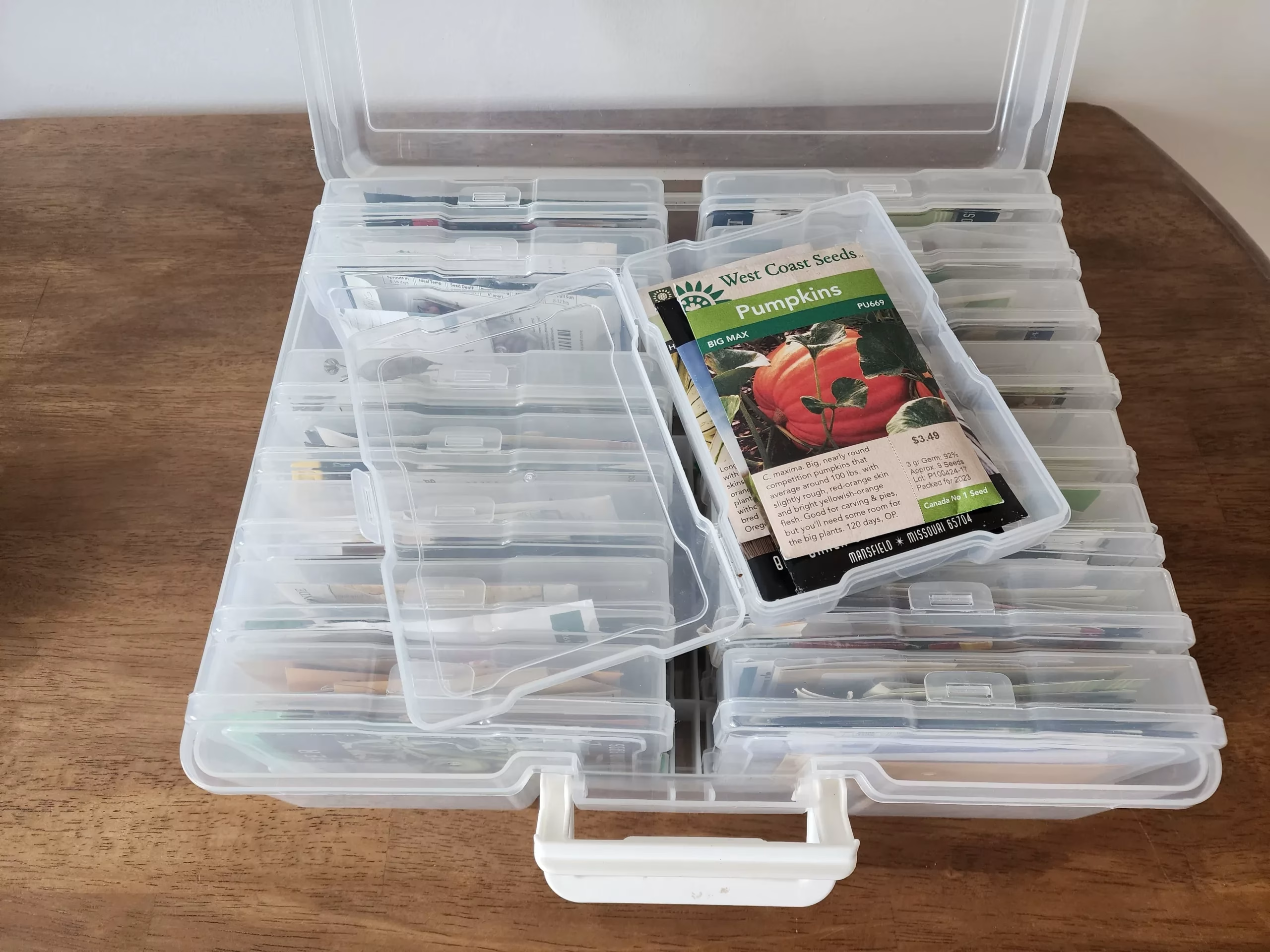
It’s been a journey trying to learn as much as I can about the seed industry only to find out that there’s not much information that can be found on it – especially when it comes to seed for home growers.
Seeds are no different than many other industries around the world. From the surface it looks like you have a ton of seed companies to choose from, but the truth is far from that. Globally 4 businesses control over 66% of the global commercial seed market. The agriculture industry is not shielded from the oligopolies that are dominating our world right now.
The reason that I cite this information about the commercial seed market, and not retail or for home growers is because it’s nearly impossible to find any information on the companies that sell to distributors, who sell to us. Because more often than not, your favourite seed supplier isn’t actually growing any of the seeds they sell, but are importing them globally, repackaging them, and selling them to you.
That means that there’s no guarantee the seeds were grown in Canada, there’s no guarantee they’ll grow in your zone and the company you bought them from likely hasn’t even grown the variety themselves to know if it’s good (taste or resiliency).
Why International Seeds Can Be Problematic
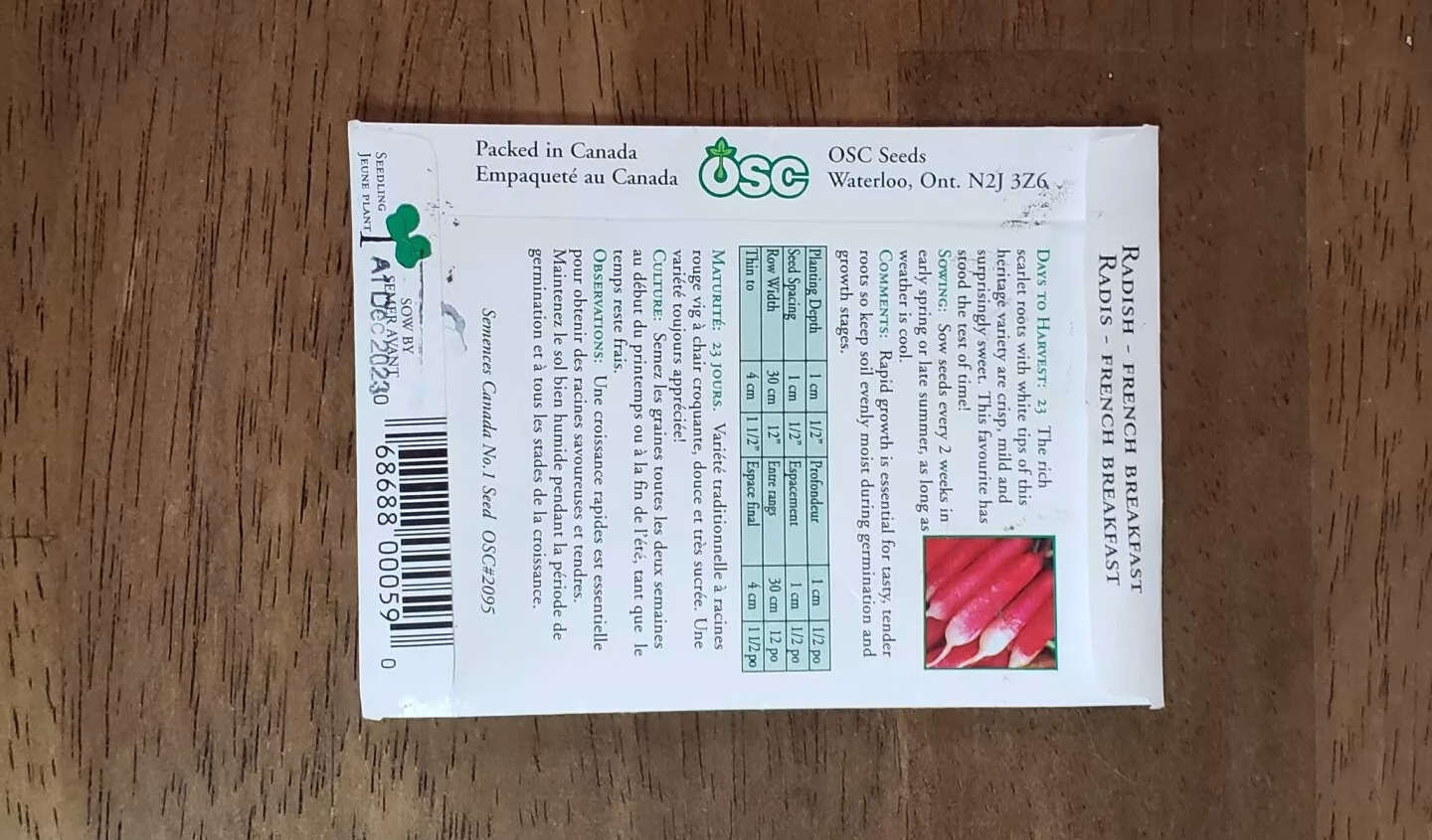
We’ve been buying and growing international seeds for a long time. Just because they come from another country doesn’t mean they won’t grow for you. But our growing season isn’t what it used to be. And when industries heavily consolidate, a lot of issues arise because competition has been greatly reduced.
One of my larger concerns when it comes to international seeds is the fact that there aren’t a lot of places in the world that are quite like Canada. From coast to coast to coast our climate changes dramatically. We have no guarantees on how many growing days we’ll actually get, the temperatures fluctuate from one extreme to the next, and the weather doesn’t know if it should be a drought or a drowning. Add on top of that our short season with long summer days that quickly turn to long winter nights. As climate change intensifies, so will these weather patterns. And if the seeds we’re buying come from a location that has more even weather, they won’t be prepared for our Canadian summers, which can increase your chance of crop failures.
Another major concern that I have is labour conditions. Here in Canada we have issues with the treatment of our seasonal farm workers, but they do have some protections (although this is a larger topic). However, globally, work conditions are not regulated and often farm work is low paying, long hours that can near slave labour.
In Canada we have laws that restrict the import of products that were created by child or slave labour, however it often relies on companies self-reporting the working conditions, so it might not be as accurate as they suggest.
Finally, when a select few major corporations control the market, crop failures cause rippling affects across the country. Since the major seed retailers use the same supplier, when one company is out of a certain seed, they all will be. And this is an example of how at-risk our food supply and seed supply is.
The Quiet Push to Hybrid Seeds
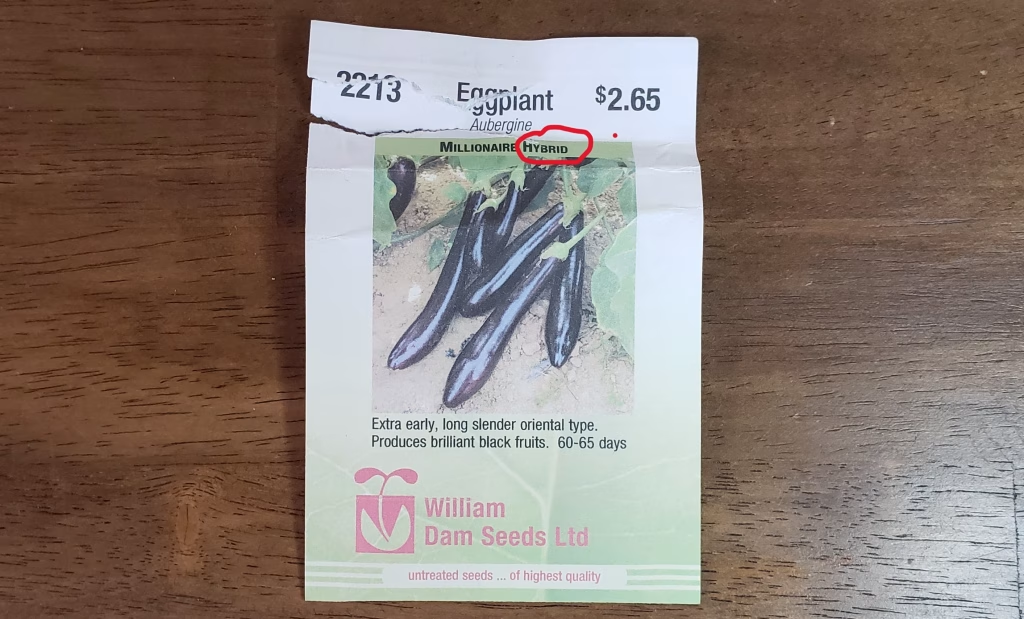
The amount of hybrid seeds on the market right now should be raising alarm bells. And not just raising alarm bells, but sounding them off, loudly.
Hybrid seeds are when two different seeds are cross bred to create a new seed that is meant to take the best traits from both parents. And the marketing behind hybrids is loud. They’re often touted as “better” for the garden and “more resilient” to climate change because they are bred to (supposedly) have less disease, be less susceptible to pests, or perform better.
But the reality is that hybrid seeds are a one time purchase, with the need to purchase them again, and again. They are unstable, they have only been cross pollinated once (F1), and when you save seed from them they’re more than likely to revert back to one of the original parents. So if you grow a hybrid variety that performs incredibly well for you, or you love the flavour, be prepared to buy that seed for the rest of your life. Which means you’re now relying on these seed companies to grow your garden.
Finally, a quick note on GMO seeds. 2025/2026 saw the first GMO seeds that were available to the home gardener. A patented, terms and agreements signed seed that is being grown in backyard gardens. I don’t want to get too deep into GMOs because it’s a large (and complex) topic but if you do want to learn more about the GMO seeds available to gardeners, you can check out my interview with CBAN here.
Why Canadian Grown?
The most obvious reason to choose Canadian grown seeds and Canadian companies is to support local businesses. Choosing to buy from Canadian companies means that you’re supporting Canadian jobs that pay fair wages and (generally) provide good working conditions. Often, small-scale farms focus on ensuring that their products are created with care, and that the workers are treated well too. As farms increase in scale, the wages and conditions tend to decline.
The majority, if not all, of the farms listed below offer seeds that are untreated, non-GMO and open pollinated. This means that no harmful chemicals were used to grow these seeds which, in turn, supports our pollinators, birds and other biodiversity. Many of the companies have taken the safe seed pledge and do not sell GMO seeds that are owned and patented by other companies. And since the seeds are open-pollinated this means that none of them are hybridized so you can save your own seeds from them for future seasons.
Finally, many of the farms listed below care about regional adaptability, climate resiliency and that the seeds are grown by Canadians for Canadians. What this means is that these seeds were successful enough on their Canadian farm to produce food that was able to go to seed to be saved. This directly relates to your success as a home gardener. These seeds are used to growing in our Canadian conditions so they will be well suited for your garden. Gardening can be difficult already, but this is one step closer to success.
Food Sovereignty with Canadian Grown Seeds
Unfortunately, a common tactic in warfare and fascism is to control citizens by controlling food. This can be seen in many countries around the world, as well as during wars. The Ukraine seed bank being bombed is an example of this playing out. As long as we allow the consolidation of major seed companies to continue, and hybrids to take over the market, we are losing our control over our food supply.
Although our current government doesn’t seem to think that farming is of great importance to Canadians, we respectfully disagree. Between the budget cuts to Agri-Food Canada and the changes to the Plant Breeders Rights/Seed Act, the rights of farmers are slowly being degraded which puts us at risk from a food sovereignty perspective.
When you buy Canadian seeds grown here in Canada you’re making a commitment to Canadian growers that what they grow and offer is important to you and to our food sovereignty.

Climate Resiliency through Canadian Grown Seeds
As I mentioned earlier in this article, Canada’s growing conditions are unlike most countries. When you choose Canadian grown seeds, you’re choosing varieties that have successfully grown in our climate. Seed farmers select their best performing seeds that survived our Canadian growing season, which means you’re more likely to have success in your own garden.
This means that the varieties will not only survive, but provide you a good harvest. And as climate change intensifies, it’s important to choose seeds that are adapted to our growing conditions so that they can be more resilient to the changes that we’re going to see in coming years.
Crop failures for farmers can be catastrophic, but even for us home gardeners it can hurt a lot. Here in Ottawa we see more rain than a lot of places across the country which has led to all of our peppers splitting and rotting. That’s months of work down the drain from seed starting in February to the loss of fruit in August.
Canadian grown seeds means that plants have withstood the weather we’ve had – whether it’s excessive rain or droughts and they’re more adaptable to the weather. This means that the opportunity for crop failures can lessen as the seeds and plants have already grown in these conditions and survived.
16 Seed Companies that Grow Their Seeds in Canada
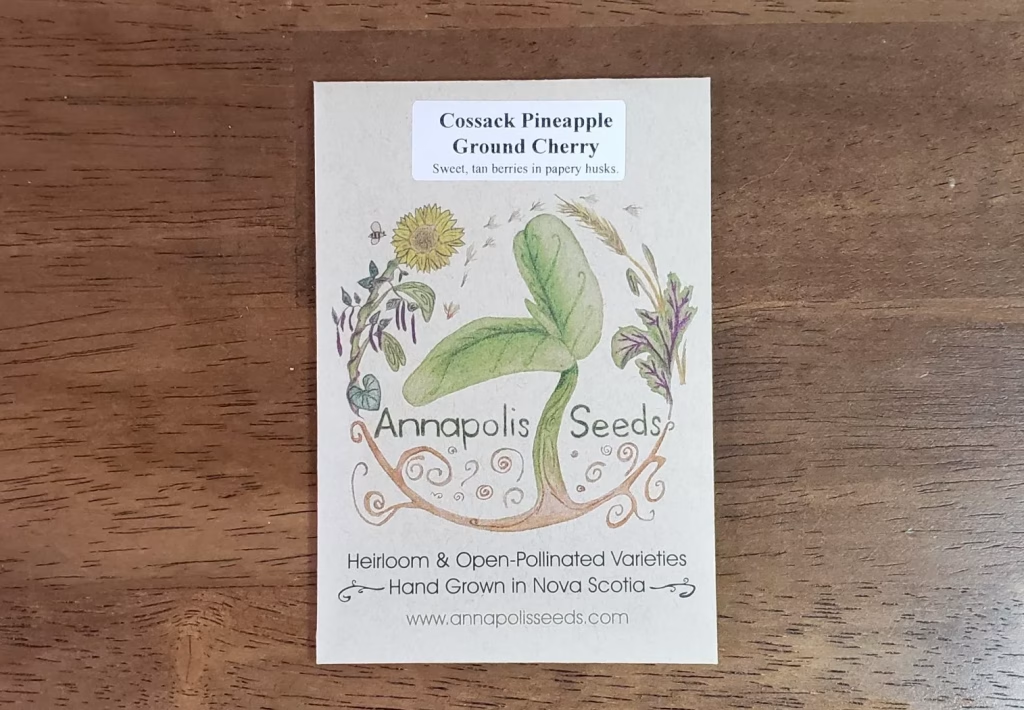
Annapolis Seeds
Annapolis Seeds is based out of Nova Scotia. Many of their seeds are grown on their farm while also using a network of local farmers throughout Atlantic Canada. Their seeds are open pollinated, untreated and regionally adapted.
The Superior Gardener
The Superior Gardener is based out of Sault Ste. Marie, Ontario. All of their seeds are grown on their farm and are organic, non-GMO, untreated and open pollinated. In addition to seeds, they also sell homemade products like salves and serums.
Revival Seeds
Revival Seeds is based out of Nova Scotia and are 4th and 5th generation seed savers. They grow all of their seeds on their farm and specialize in heirloom and rare varieties, to preserve these seeds for future generations. Their seeds are open pollinated, diverse, and untreated.
Root Cellar Gardens
Root Cellar Gardens is based out of Northwestern Ontario and all of their seeds are grown on their farm. They are a certified organic farm that focuses on growing regionally adapted seeds and focus on research and breeding projects to help create seeds that thrive in our Canadian climate.
BC Eco Seed Co-op
The BC Eco Seed Co-op is a producer’s co-operative that grows 100% of their seeds in BC. Their seeds are ecologically grown, open-pollinated, regionally selected and non-GMO. The co-op strives to emphasize the importance of local seeds and seed sovereignty.

Sow Local Seeds
Sow Local Seeds is one of the more unique companies on this list as they provide Canadian grown flower seeds, based out of Nova Scotia. Like us, their journey began after realizing the seeds they purchased weren’t Canadian grown, but rather imported internationally. All of their seeds are locally grown and saved, focusing on flower and tomato seeds.
The Pepper Merchant
The Pepper Merchant is based out of Eastern Ontario and focuses on peppers – with some mild, but mainly hot varieties (over 175 varieties!). All of their seeds are grown on their farm and are untreated and non-GMO.
Cicada Seeds
Cicada Seeds is based out of British Columbia and focuses on perennial vegetables, medicinals and native plants. All of their seeds are grown in Canada and are untreated, non-GMO and open pollinated.
Hawthorn Farm
Hawthorn Farm is based out of Ontario and offers over 700 different varieties of seed. Around 70% of their seeds are grown in Canada and they are processed and packaged at their farm. They are untreated, non-GMO and open-pollinated.
Full Circle Seeds
Full Circle Seeds is based in British Columbia with over 99% of the seeds being grown on their farm. They offer untreated, open-pollinated seeds and have been growing and saving seeds since 1993.
Salt Spring Seeds
Salt Spring Seeds is based out of British Columbia. All of their seeds are either grown on their farm or on other farms in Canada. They process and package all the seeds on their farm.
Sunshine Farm
Sunshine Farm is based out of British Columbia. They are a certified organic vegetable farm that sells seeds grown directly on their farm. Their seeds are non-GMO and are part of the Seed Savers Pledge.
Sweet Rock Farm
Sweet Rock Farm is based out of British Columbia. Their seeds are all grown on their farm and are open-pollinated and heirloom varieties. In addition to vegetables they also have a small selection of flowers.
Winnow Seed Co.
Winnow Seed Co. is based out of British Columbia. They grow, harvest and package all of their seeds on their farm with a focus on regionally adapted seeds. Their seeds are untreated, non-GMO and open-pollinated. They grow a mix of vegetable and flower seeds.
Prairie Garden Seeds
Prairie Garden Seed is based out of Saskatchewan. 95% of their seeds are Canadian grown with the remainder being grown from commercial growers, and are labeled as such. We love seed supply transparency! Their seeds are untreated. They offer a wide selection of flowers in addition to vegetables.
Hope Seeds
Hope Seeds is based in Nova Scotia, with the seeds being grown by Sacred Garden Farm. The majority of the seeds sold are grown by Sacred Garden Farm, while some seeds are sourced from larger Canadian suppliers. Their seeds are untreated, open-pollinated and non-GMO.