For years I’ve felt that crop rotation is something that only farmers need to do and doesn’t make sense for backyard gardeners. And although we rotate our crops a little bit around here, it’s never been a high priority or something that we plan for. I mean, we only have 5 raised beds and grow a dozen food types. There’s only so many places something can go before it ends up back in the same spot.
But this year something happened that has changed my mind.
What is Crop Rotation?

Quickly, let’s talk about what crop rotation is. It’s quite simple since it’s in the name. It’s when you rotate your crops from one place to another every season. For farmers this can look like planting corn in a field one year, and soy in that same field the next season.
For home gardeners it’s putting peppers and tomatoes in a spot in your garden, and next year planting lettuce and cabbage in that spot where peppers and tomatoes grew the year before.
When it comes to crop rotation, there’s often timelines – such as ‘don’t plant tomatoes in the same spot for the next three years’ – especially if you experience issues with your plants. But this can be hard to manage, and is mainly important if your plants get a disease in the soil that you need to manage.
Crop rotation in a backyard garden
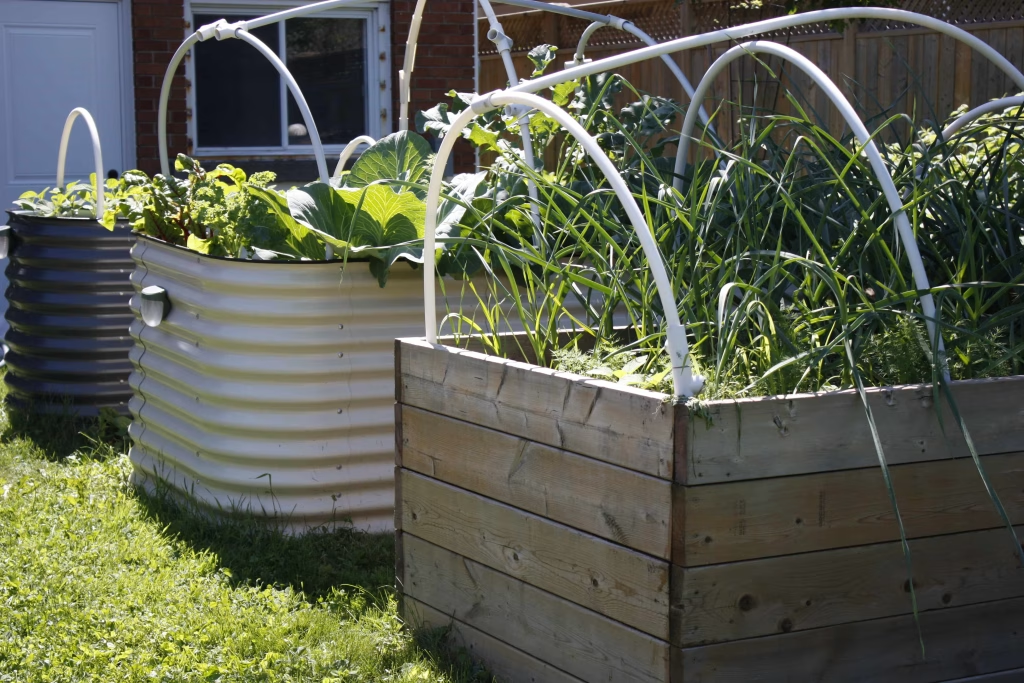
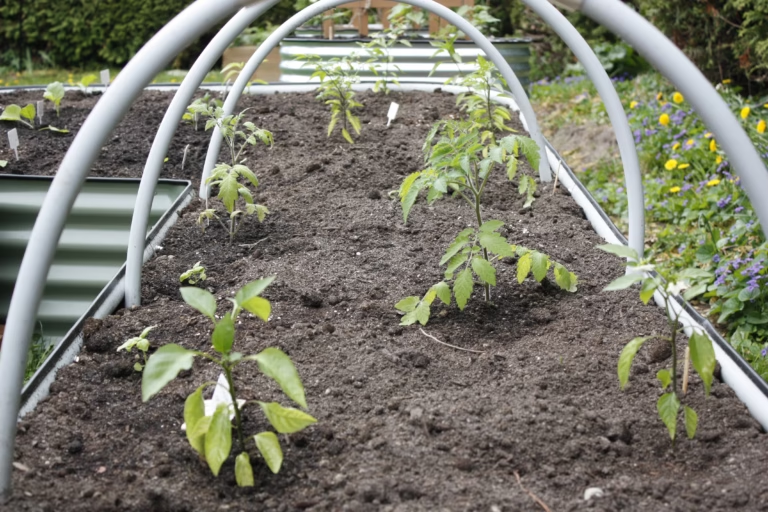
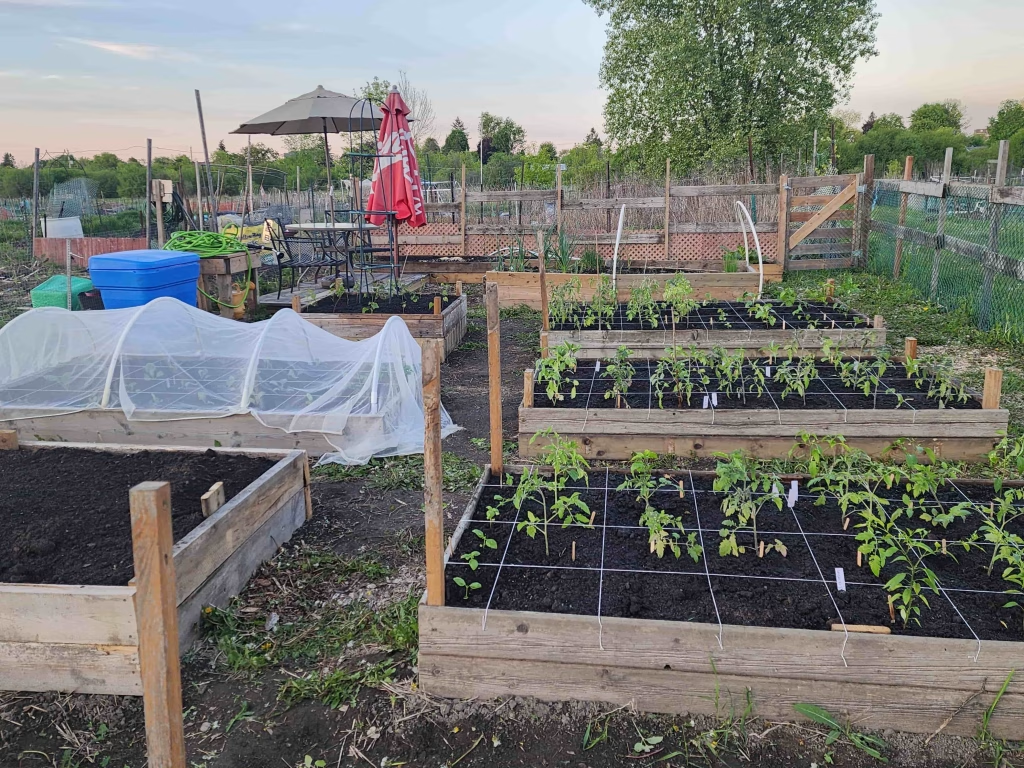
Rotating crops in a backyard can be tricky because there’s only so much space for us to plant in. If you grow in raised beds like we do, one option is to rotate how you plant your garden by bed. For example, whatever we plant in the far back grey garden seen in the photo above, will move to the white garden next year. Finally, in the 3rd year we would plant that garden in the wood bed. This would allow the grey garden a break from whatever was planted in it for 2 seasons.
If you grow in the ground it can mean moving it to a separate bed that you have, or if you grow in containers it’s picking a new container next season – especially if you don’t remove your soil every year.
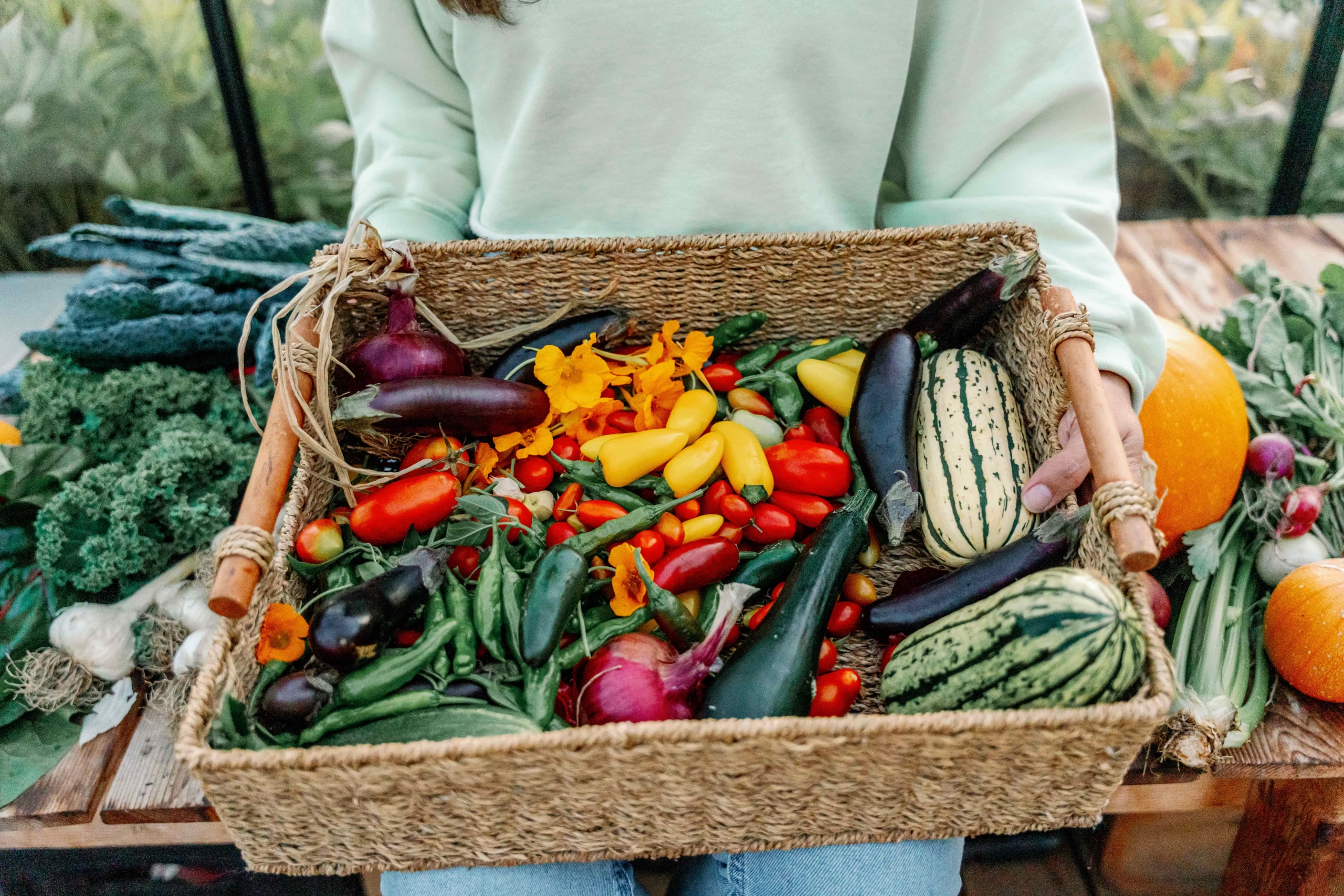
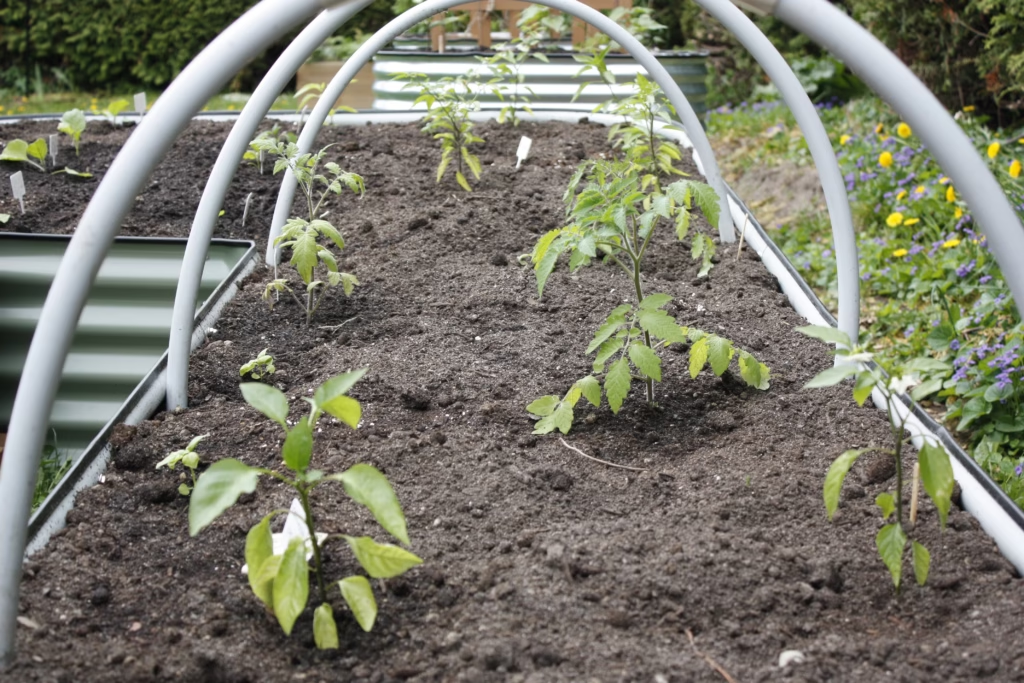
But here’s the thing that never works for me – as someone who doesn’t monocrop and intercrops my gardens, normally when I plant these three garden beds, they’re all going to have similar crops in them. Likely they’ll all have tomatoes, peppers, eggplants and some leafy greens in them. So rotating crops doesn’t make a lot of sense when you intercrop and not monocrop.
My thoughts on crop rotation
I haven’t fully changed my mind on crop rotation. There’s still a lot of limitations to it that give me pause. One of the main reasons for crop rotating is because plants use and return different nutrients to the soil. By rotating your crops you’re allowing plants to either use up nitrogen, or return it back, along with the other nutrients. But in a backyard garden we often top up our soil every year with new soil. Plus if you mulch your gardens and fertilize with natural fertilizers like alfalfa, nettle or comfrey, you’re keeping your soil healthy without planning for crop rotation every year.
Another reason to crop rotate is to help fight pest pressures. This is one that does give me pause as many common garden pests lay their eggs in the soil at the base of their host plants. Cucumber beetles are a great example of this, as well as squash vine borers who pupate in the soil near squash plants. But when it comes to home gardens, our space is limited which means once these flying insect adults wake up for the season, it’s really not that hard to find their favourite plants again.
One of the biggest issues in my mind is that trying to crop rotate in a backyard garden almost forces you into monocropping, planting all of the same crop in a single garden so that you can rotate it next season. On a small scale monocropping isn’t a huge deal, but you are planting everything in a single space which makes it a lot easier for pests, diseases and viruses to spread.
But there is one reason for crop rotation that has made me change my mind on the entire topic.
Why I changed my mind on crop rotation
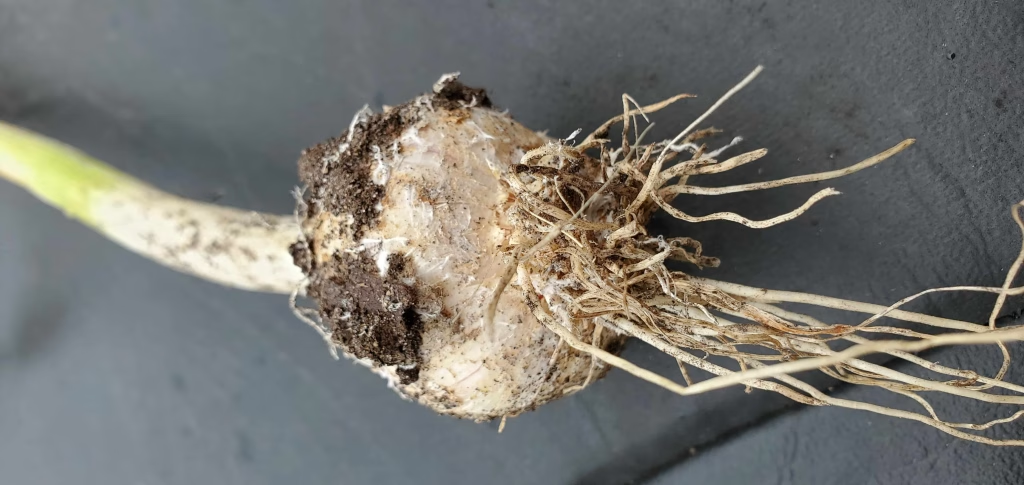
When we pulled up our garlic this season we found white threads all over one of the heads – this turned out to be white rot fungus. It’s a fungus that lives in the soil and feeds on allium plants like leeks, onions and garlic. And it can live in the soil for 10-40 years. It’s a disease that is forcing me to crop rotate, whether I like it or not.
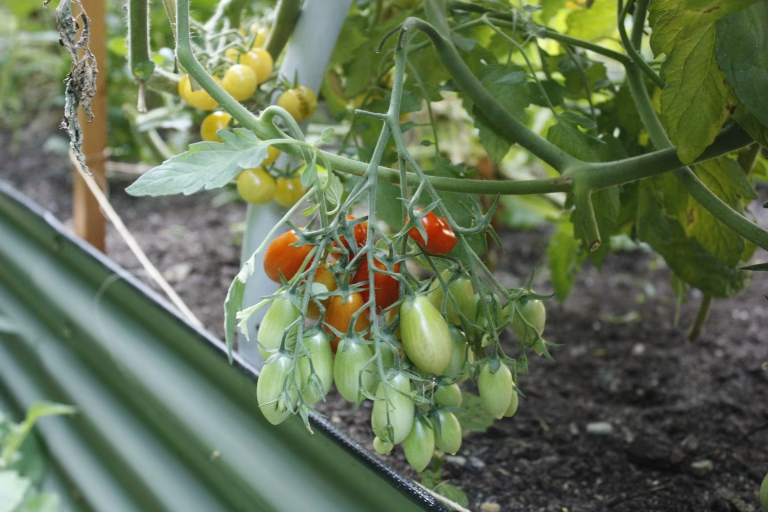
But this isn’t the only disease that can persist in the soil for years. Tobacco mosaic virus affects plants like tomatoes, peppers and eggplants and if the infected plants aren’t removed completely, the virus can persist in the soil for multiple years.
As climate change intensifies, and our weather patterns change we’re going to be experiencing growing conditions that we may not have dealt with in the past. Heavy rainfalls keep the soil wet which is perfect for fungi, or splashing soil transfers onto plants which in turn becomes your next disease to manage.
And insect populations can change as our winters warm up.
There are pests like the swede midge that is a newcomer to Canada. It was first found in Canada in 2000. The swede midge is the perfect pest example for why crop rotation is important. It lives in the soil over winter waiting for you to plant their favourite foods which include canola (for farmers) and brassicas for us home gardeners. The best defense against this pest is either to quit growing brassicas, or to rotate your crops and not plant brassica near that garden bed for 3 years. Luckily, Swede midge are terrible fliers, but you’ll want to choose a garden as far away as possible since they can travel by wind.
By planting the same plants in your garden year after year you’re increasing the chances of getting a disease, virus, bacteria or fungi that can take out your entire crop. Every season you’re giving them their host plant to build up their populations until it’s enough to infect your plants. And this reason is exactly why I’ve come to realize how important crop rotation is.
Continue growing your garden knowledge
- 5 Tips to Know When to Harvest Any Vegetable
- I Was Wrong About Crop Rotation – Let Me Explain
- Drowning in Tomatoes? Here are 11 Ways to Use Your Harvest!
- 8 Tips to Build Healthy Soil (When Yours Sucks)
- Drowning in Zucchini? Here are 11 Ways to Use Your Harvest!
What I think about crop rotation now
I now understand the value of crop rotation and why it’s important in home gardens. For me, it’s not about the soil nutrition or the pest pressure, but rather the health of the soil and keeping viruses, diseases, bacteria and fungi at levels that can’t infect my plants. Unfortunately it adds a layer of complication to our gardens as we only grow a small selection of plants – so rotating isn’t going to be that easy. Since diseases and viruses in the soil are going to get worse and more prominent as the climate warms, the goal is to slow them down as much as possible.
Changes we’ll make in our gardens
Because crop rotation is so difficult in a backyard garden, we’re going to focus on the most fragile of plants to rotate – which includes tomatoes and garlic. At our allotment, most of our tomato plants got blight on them – but we planted them in nearly every garden. So rotating is going to be next to impossible. Instead we’re going to focus on planting less plants to give them more airflow and space to grow to help slow down any disease that may be present. We’ll also focus on mulching the gardens to avoid any soil splash that can transfer disease.
For our garlic, the goal is to rotate them every season to ensure we never plant in the same spot 2 years in a row. For the garden that got the white rot fungus, we’ll never plant garlic, leeks or onions in that garden again. The best thing we can do to avoid this situation from arising again is to plant only healthy, disease-free garlic cloves and to rotate our garlic bed every year so that the fungi doesn’t have a chance to build up and infect our plants.

Changes we won’t make in our garden
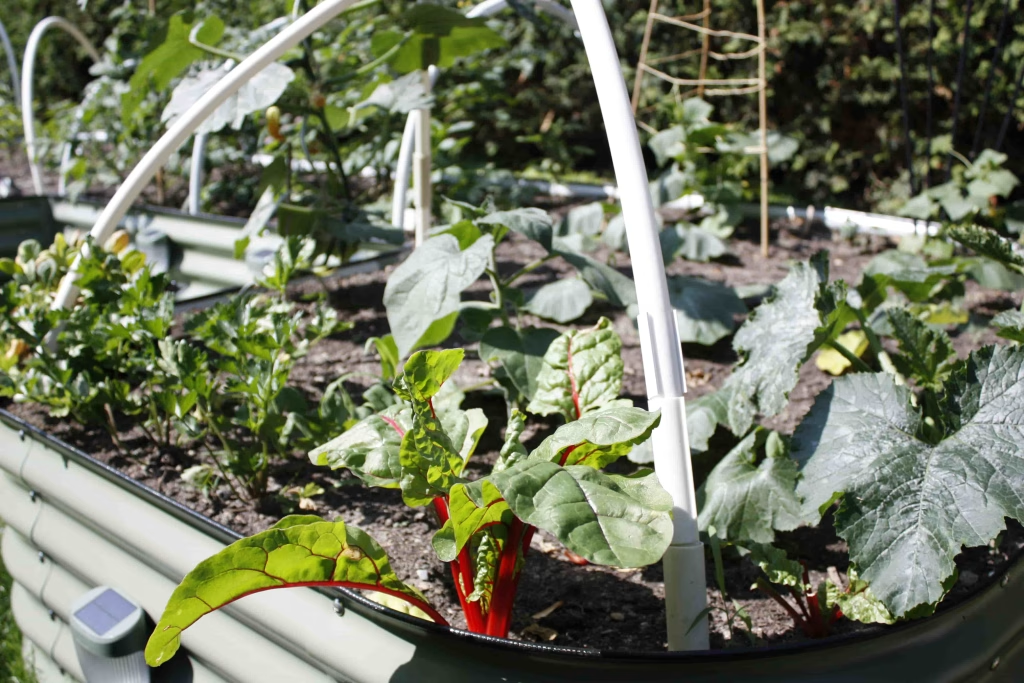
The reality with backyard gardening is that there are some spots that get the best sun, and some spots that receive more shade. You can’t rotate tomatoes from a sunny spot to a partially sunny spot and expect good results. So for those areas, we’ll continue to plant the same sun loving plants in the same garden, we might just move them around the garden bed itself.
Focusing on keeping the plants healthy, mulching, and feeding the soil will hopefully keep the soil in balance.
There’s so little space to grow in backyard gardens that it’s difficult to rotate crops since your choice of where to put them is limited. We have to work with the constraints that we have. Until we see signs of disease in our other plants this will be the method we follow .