No matter where you go or what you do, it seems that you can’t escape AI. It’s everywhere.
AI is talked about in every headline and every conversation from business to technology. The news and corporations are constantly pushing us towards AI, even though so many people are opposed to it.
And unfortunately, AI has made it’s way into the gardening world – and not for the better. Admittedly, there are some interesting uses of AI in the garden, including watering and fertilizing systems. And I think there is a place for automation in some sectors. But when it comes to us home gardeners, AI can be more of a scam than a help.
Where You Can Find AI in the Garden World
AI has been in the gardening world for some time now as companies look to automate garden systems, and even farm equipment. But today we’re going to talk about AI in terms of content that you consume as a backyard gardener.
The first place I want to discuss is how-to videos that can be found online. Unfortunately, AI videos are becoming more popular, and harder to recognize, as the quality improves. Currently, YouTube is flooded with AI gardening videos that are getting hundreds of thousands of views. And with so many views, it gives the impression that they are legitimate, or reputable channels to watch.
But it doesn’t stop there. As a website owner, I’m regularly researching things like SEO (search engine optimization) and other ways to build a successful website. And during my research I constantly read questions from people who are looking to build websites that are completely created by AI. Articles, photos, and even the website being built by AI. People are looking for quick ways to build a business and make money. And they don’t care if they have the knowledge on the topic, as long as AI can write the articles for them. Isn’t that concerning?
This means that there are tons of websites out there now that are built by AI. And these articles are just an accumulation of information from various sources, knowledge taken from real people without their knowledge.
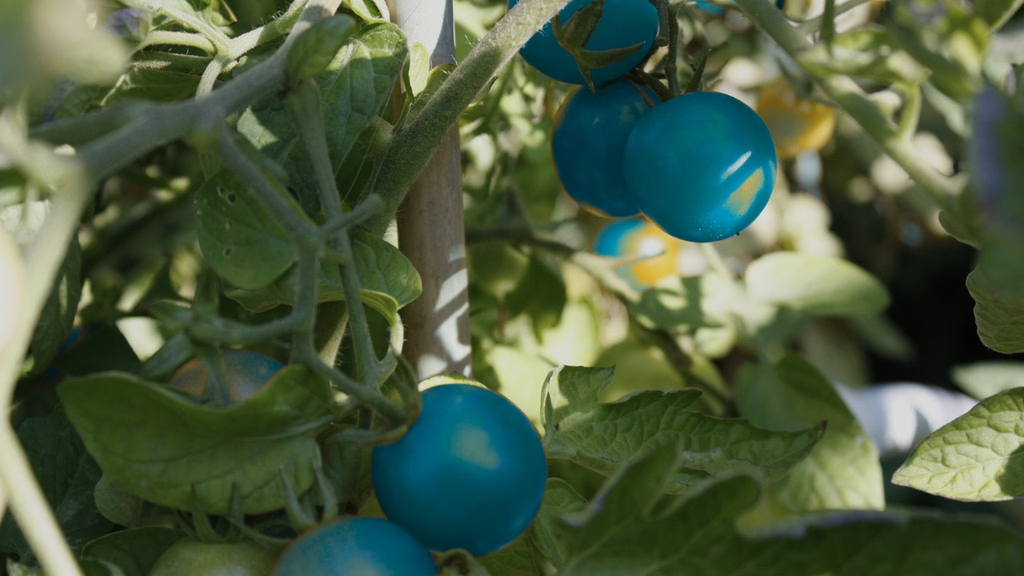
And finally, I’ve noticed an influx of AI seeds as well. Seed companies that are created to sell you seeds that just don’t exist. Varieties that are made up, colours that don’t exist in nature, and seeds that won’t grow true to the photo. As more AI gardening content makes its way into the mainstream, it’s important to remain vigilant so you don’t get scammed or misinformed.
How to Know It’s AI and Not Real Garden Content
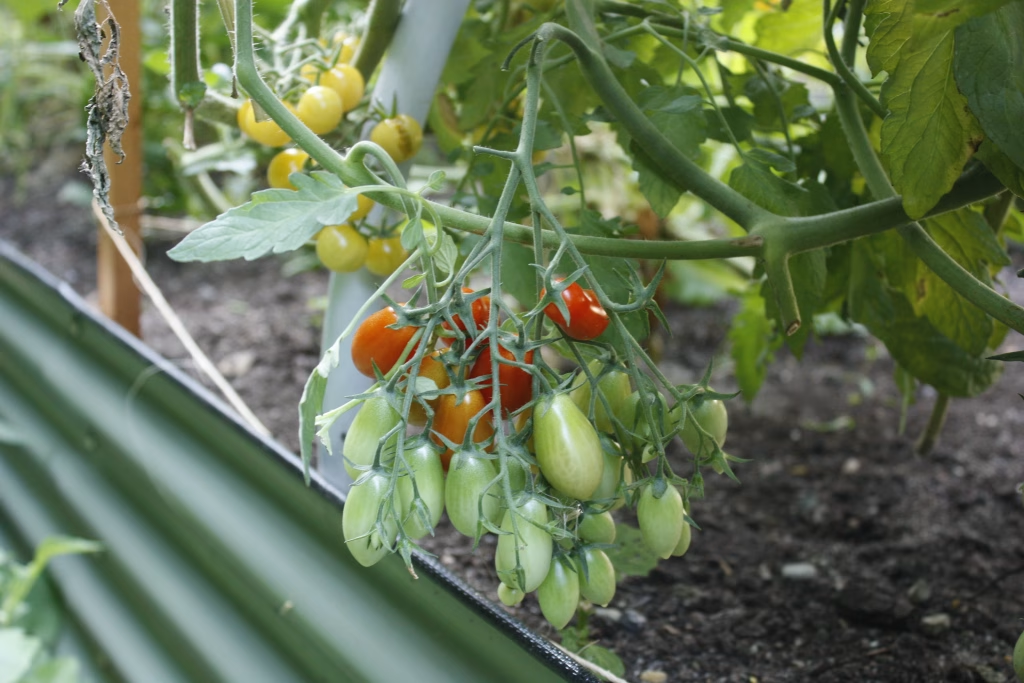
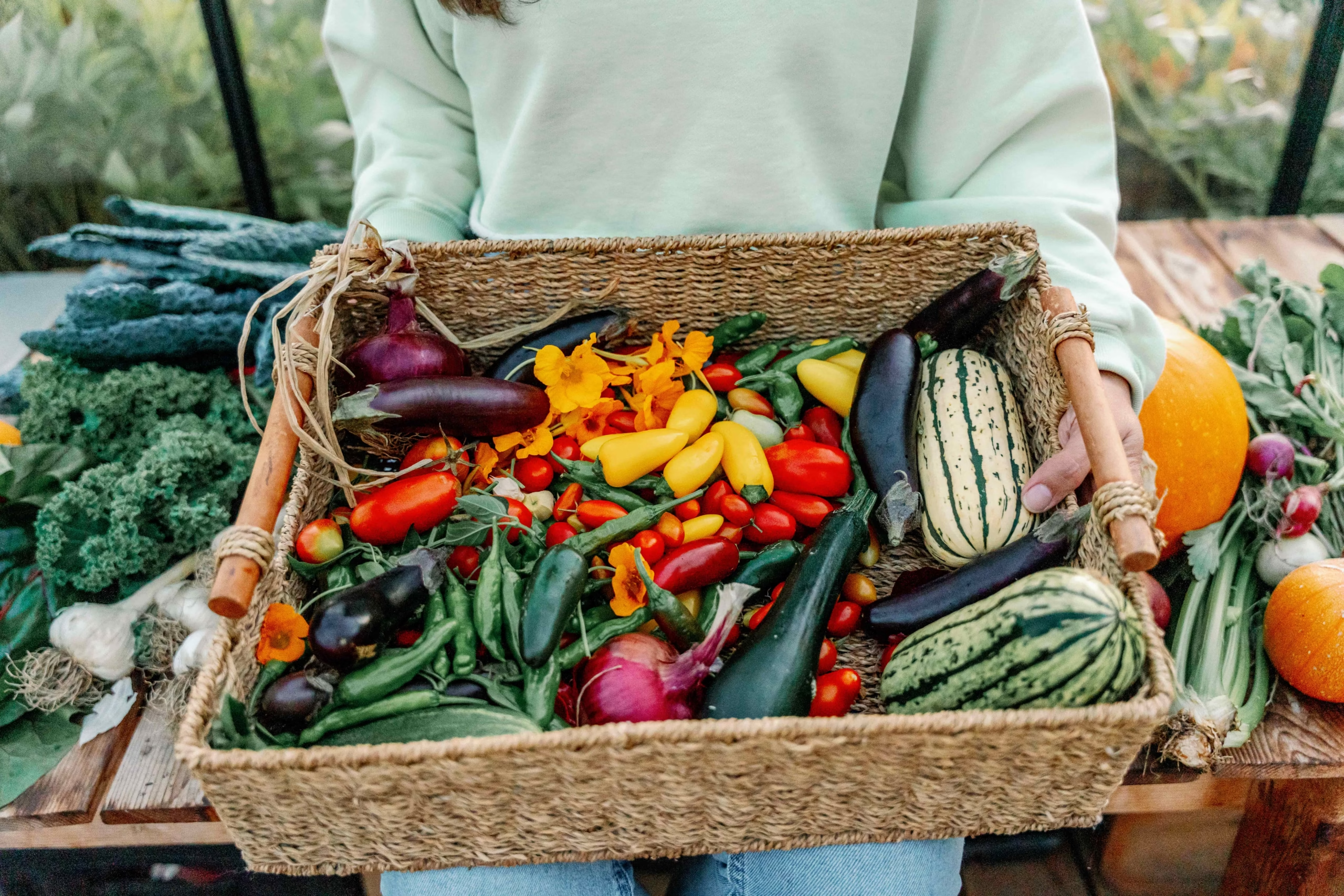
Gardening isn’t easy and it takes many years to get good at it. It’s a skill that takes time and practice. And knowing this is a good way to discern when a video you’re watching is fake. If the video you’re watching, or about to click on, shows unrealistic amounts of food on a plant, or harvests that you could only dream of, it’s probably AI.
The issue with these videos is that they provide you with an unrealistic view of what’s possible in the garden. And oftentimes, the advice isn’t even correct. How can they give you real advice on gardening when the harvests aren’t even real?
When it comes to AI garden content websites – what has triggered me to question the source is when I look up a topic and the first website that appears is the same one over and over. Because it’s not possible to cover every topic about gardening as a garden educator, unless you’ve had your website for a significant number of years. Trust me, it takes a lot to create gardening content and advice articles.
When a website is also covered in ads, and is poorly formatted, it’s likely a website that’s been created on the fly and used to generate AI articles. These websites are owned by people who aren’t actually a part of the industry and are accumulating information off the internet to put into an article. This means that there can be a lot of misleading information in the article. If you find yourself on a website like this, check the About page, Contact page or other common pages on a website to learn more about the source of the information.
Finally, if you find yourself on the verge of buying a cool new variety of seeds – do a gut check. Have you heard of this seed company before? Did you find the seeds from an advertisement or someone sharing it online? If the seed variety looks unnatural, super productive, or offering something you’ve never gotten in another seed, it’s good to second guess if the seeds are real. Below we’ll give you some steps you can take to avoid being scammed by fake AI content or fake seeds.
What to Do When You Accidently Participated in AI Content
The issue with AI content on video platforms like YouTube, TikTok or Meta is that the more you watch it, the more the algorithms will feed it to you. And if you interact with it, you’ll receive more. It’s common to get caught up with the excitement of a cool new plant or technique but it’s often false information being presented as garden advice.
And the more the video is shared and interacted with, the more people see it and the further this false AI information goes.
So what can you do to stop being recommended AI content? Don’t interact with it. As soon as you realize the content is AI, swipe away. Because the longer you watch, the more likely you will be recommended this content.
It’s also important to not comment on the post because it signals to the platforms that you want to see more of it, even if your comment is negative.
And if possible, tell the platform where you’re watching the content that you’re not interested in the channel, video or content. This will help keep AI off of your feeds.
How to Avoid Being Scammed by AI/Fake Seeds

Buying fake seeds sucks. You get excited for a plant to grow in your garden and then it turns out nothing like what you expected. Sometimes it can happen by accident when you buy a seed packet and you get something different (called Seedgate) but more commonly now it doesn’t grow right because the seeds were never what they said they were.
So here are are 4 steps you can take to avoid being scammed by AI seeds.
- When you see the photos, does the plants colour look natural? Or does it look like something you’ve never seen before in nature? This is one of the first clues to gut check yourself
- What is the variety? Do a search of that variety and see if any other seed retailers are selling this variety. Most seed sellers buy their seeds in bulk from major conglomerates, so if one person has access to the seeds, so will many.
- Research the seed company. Look up their socials, read their about page and do another gut check to see if they have real customers growing their product.
- When you search the variety, are they the only sellers of this seed? If you can only find this seed on their website, or their website plus Amazon/Etsy, this is (generally) a good indicator that the seeds and that variety aren’t real.
What You Can Do Instead
Support your local farmers, seed companies and garden educators. It’s as simple as that. A comment, share, or sale goes a long way with small businesses.
Bookmark websites, channels or accounts that you know are real and you can trust (like us!).
And if you’re looking for seeds, check out these two articles we’ve written about Canadian seed growers you can trust.
Seed Companies that Grow Their Own Seeds in Canada
Organic Seed Companies that are Canadian