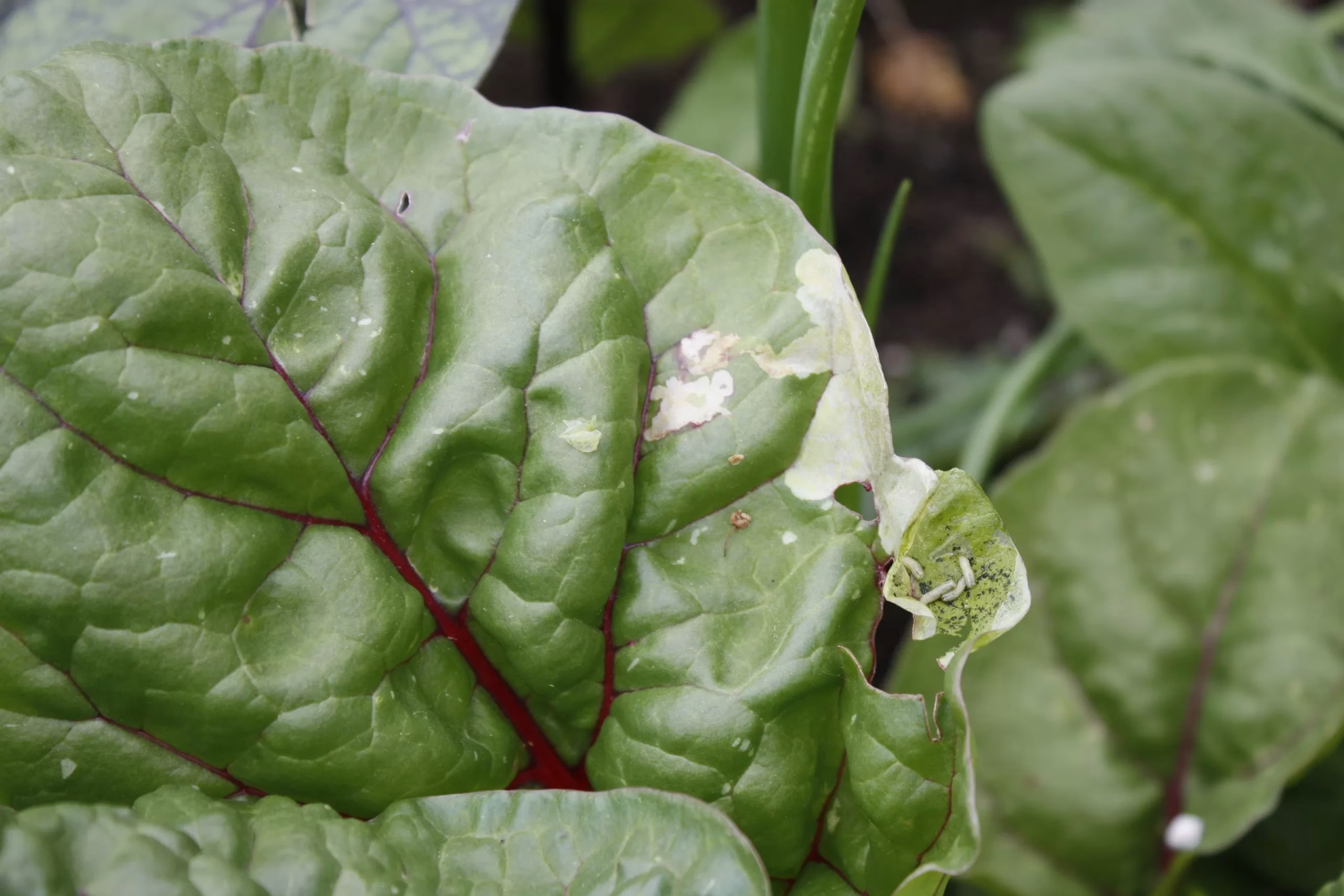

Onions are a staple food in the kitchen and are one of those plants that we all want to grow. The only problem? Onions are hard to grow. It’s especially hard to grow them to their full size. It’s easy to grow onions, in general, but often you’re left with a teensy-tiny onion that barely looks bigger than a golf ball. So in today’s article I’m going to give you 6 tricks that will turn your onions from golf ball size into the giant bulbs you can find at the grocery store. And then you’ll finally become an onion pro.
Grow the Right Variety
There are three types of onions that exist – short, medium and long day onions. This is one of the most important factors for growing onions so it’s important you get this right. I think one of the biggest reasons this trick isn’t well known is because most onion seed packets won’t tell you what day length they are. If every packet mentioned this, it would be natural to question what it meant, however almost no seed packet I’ve grabbed has included this crucial information. This means, if you’re buying your seeds in store, you either need to go with a variety in mind, or get ready to search online “variety + length of day”. Don’t trust that the onions on the shelf are the right variety because oftentimes stores are bringing in any variety and it doesn’t guarantee it’s right for you.
For us here in northern latitudes with short summers, you need long day onions. At first thought, it seems opposite of what you need but it’s for those long sunny days we get in the summer. Long day onions aren’t looking for long amounts of growing days, but rather long days of sunshine. As you likely know, the more north you go, the longer the sun is up. For those who live near the equator, the length of day almost never changes. But here in the north, our sunshine hours are much longer. So you’ll need to get the right variety for the type of summer you have.
Start Them Early
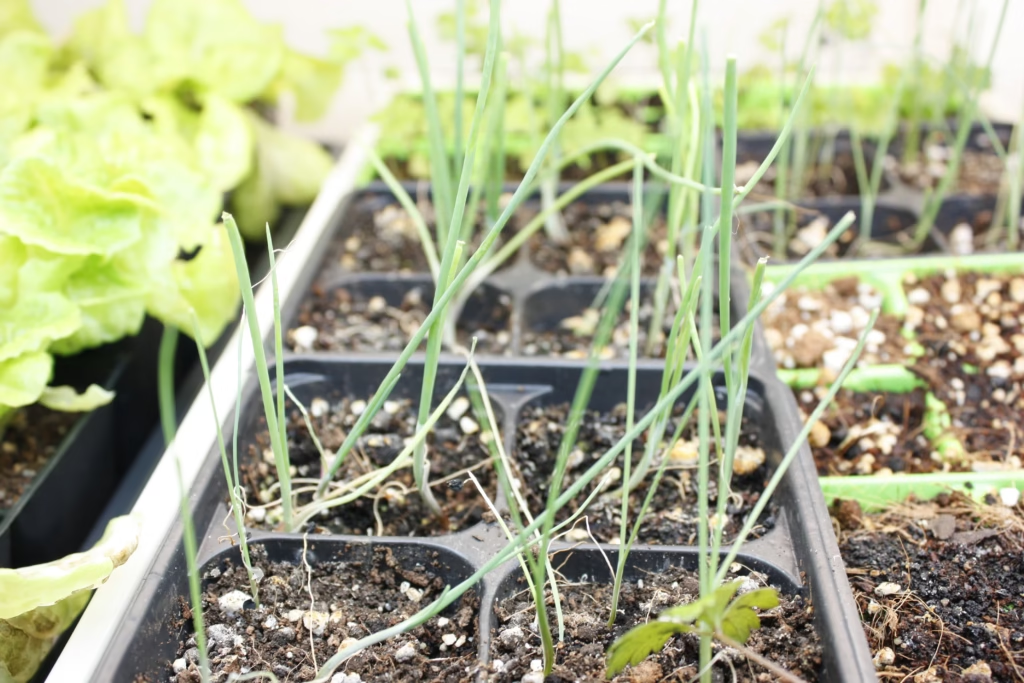
If you’re growing onions from seed they need to be started early. Here in Ontario we plant out the first few weeks of May which means we start our onion seeds in January. That early. One of the extra benefits of starting early is having the chance to replace your seeds if they’re no longer viable. Onion seeds only last around a year before their germination rate dramatically declines. The earlier you start your seeds, the more opportunity you have to get new seeds if yours fail and also to get them to a good size before planting out. You also have to remember that onions can be planted out weeks before your heat loving plants so you have to adjust your timing for that as well.

Feed Them as Seedlings
Onions have shallow roots which means they are both thirsty and hungry plants. Giving them a diluted, regular feeding every week will help make sure that they grow to a good size before spring comes and you plant them out. A balanced fertilizer is always the best choice, and when possible choose a natural/organic fertilizer over synthetic because it’s better for the environment and is a more sustainable option.
Don’t Plant Them With Other Plants
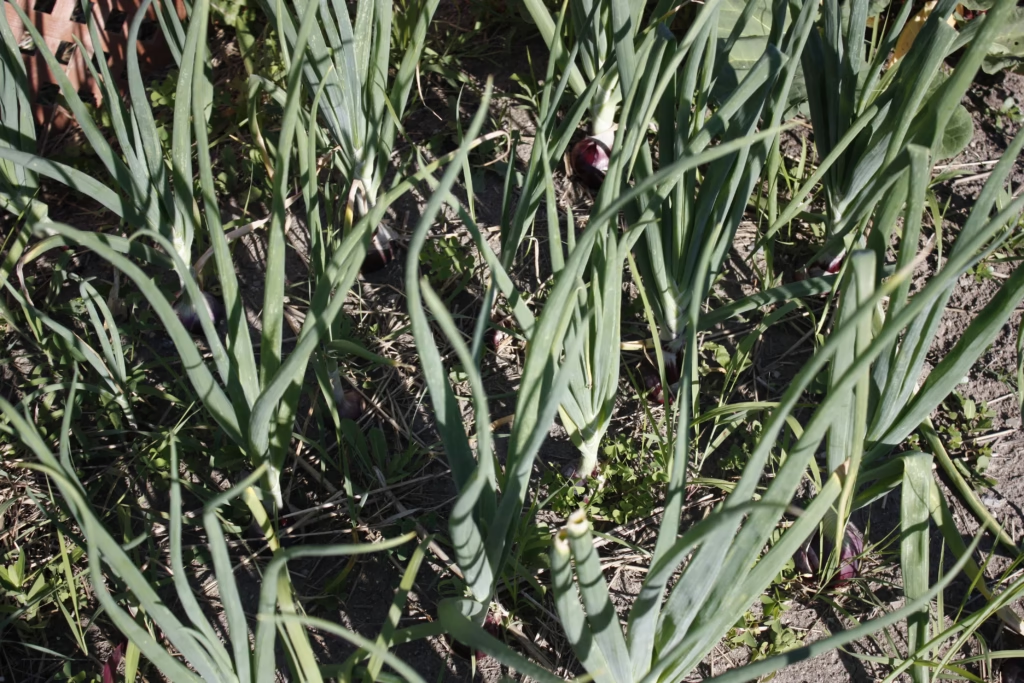
This has been a constant mistake of mine over the years is thinking I can intercrop my onions with other plants. Well let me tell you – don’t do it! Onions don’t like to be planted with anybody else because they get shaded out and the competition for nutrients is too high. As mentioned earlier, onions have shallow roots which means they only have access to so many nutrients. When you plant other plants around them they now have to compete with larger, deeper roots that take up nutrients before they can. So keep your onions separate, and keep the soil well weeded to help them not have to compete weeds either.
Plant in Good Quality Soil
Onions need good quality soil to get the nutrients they need to grow. Since they grow on top of the soil, with shallow roots, it means that every centimetre of soil matters. If your garden space has old soil that hasn’t been refreshed in a few years, top it up with some quality compost. If you grow in the ground, also consider topping it up with some compost.
Don’t Plant Them Too Deep
This is one that is easy to get wrong. So often we are used to planting our veggies deep to help them get good roots and a good base. However, onions grow almost entirely on top of the ground, so if you plant them too deep they’re going to struggle to grow. When planting out your seedlings, you only want to plant the roots. It’s going to be weird because the plants are going to flop over when you plant them but after a couple days and a few waterings, they’ll perk up.