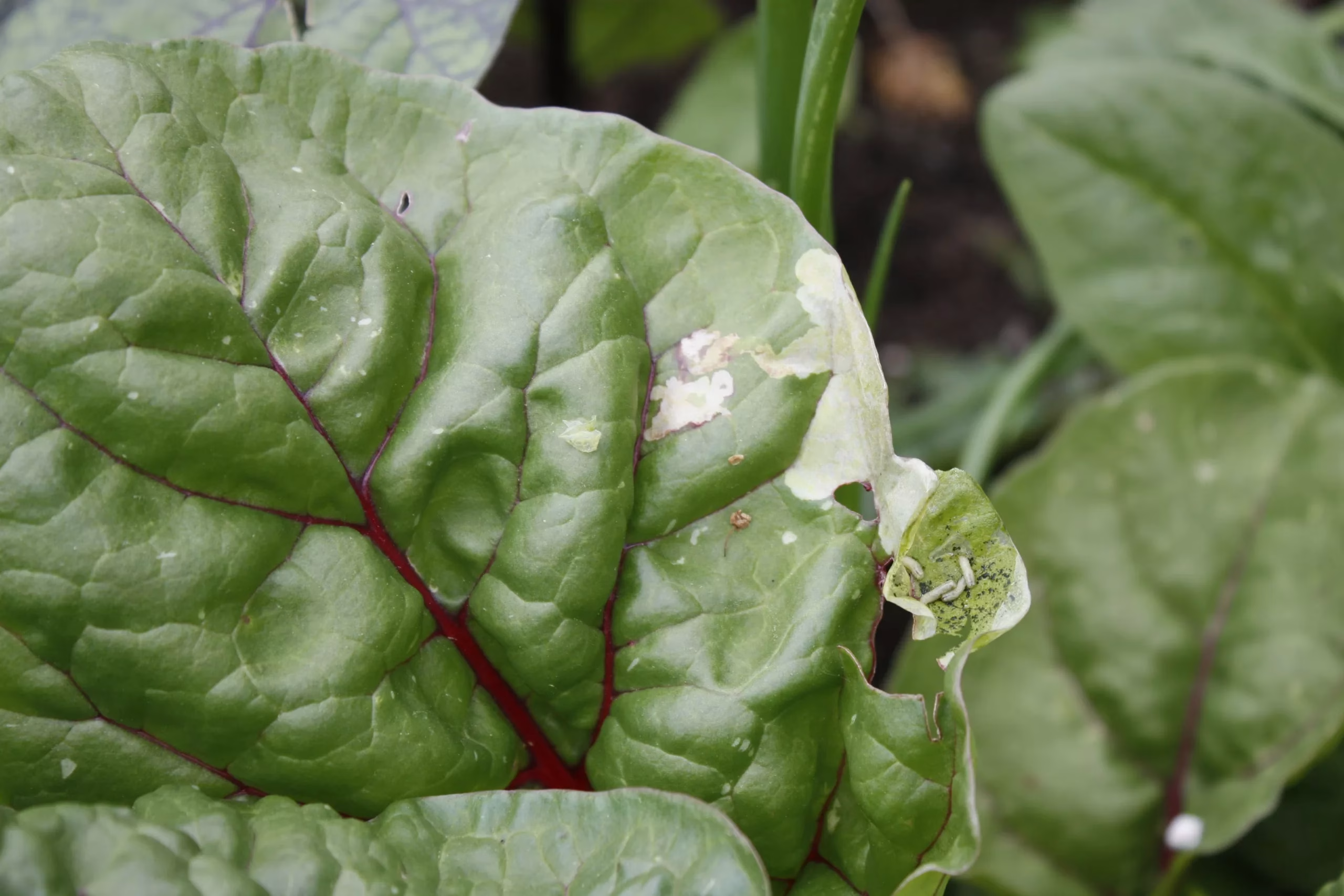

Native bees in Canada and North America are facing major hurdles, from loss of habitat, to climate change, to the competition against honey bees. Without our native bees we would lose many of our native plants, our food system would struggle and even some birds would struggle because of a loss of their food source.
Here in Canada we have over 800 species of native bees, and the vast majority of them are solitary. This means that they don’t live in hives or colonies, but work alone collecting enough food to lay their eggs, feed their larvae and start the next generation.
Because of the collapse of our native been populations, it’s important to know that most of our bees are solitary, and that some species can only fly a few hundred metres from their home. This information will help you create a space that is safe for bees to call home. The following 6 tips are important for all bee species, but in particular will help our small, solitary species.
Tip 1: Build or Invest in a Bee House
Our blog is reader supported. Some of the links in this article are affiliates that provide us with a small commission, at no additional cost to you.
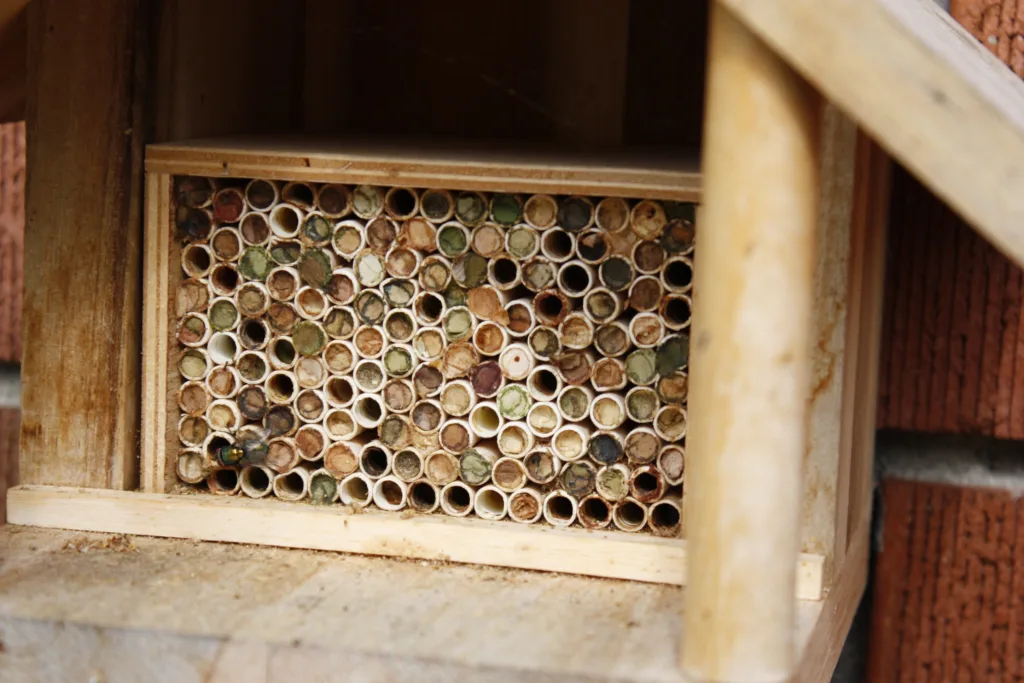
Since around 90% of our native bees are solitary, the biggest thing you can do to help them is to add one or more beehouses to your property. The bees don’t live in these houses, but rather use the space to lay their eggs for next year’s generation.
You can make your own bee houses using old tree branches or small bamboo stakes that are hollow. The most important thing to note is that different bees like different hole widths and depths so do your research on the solitary bees in your area to determine what size holes to drill.
It’s also important that you have a safe space to hang your bee house such as on the side of your house, away from any branches or poles. It needs to be in a place that predators can’t get to (like raccoons). Certain birds will break into the bee house so creating a house that has a buffer between the tubes and the front of the box (like chicken wire in front) can help prevent birds, such as nuthatches, from eating the larvae.
If you aren’t comfortable with building your own beehouse you can buy one. You can get one at your local greenhouse or you can also buy one from Kind Bee Farms which is a Canadian company that sells bee houses and also offers leafcutter bees – and they deliver all through Canada and the US. You can save 10% on a bee kit using my code ‘urban10’.
Tip 2: Plant Native Plants
This is one of the more common tips and that’s to grow native plants. While native perennial flowers are the most commonly mentioned, there are also native annuals (like jewelweed), and more importantly, native trees!
Native trees are often overlooked, but they are a key piece to the puzzle of offering food to our native bees. Many of our native trees flower, and these flowers can be superior to your native plants. One of the biggest reasons that native trees can be a better choice is because they are less susceptible to extreme weather, so if you have a massive rain event that tips over and ruins your flowers, the trees will remain intact. Additionally, trees can’t get stepped on by humans or animals, they can’t be mowed over and they provide more flowers and can bloom for longer periods of time than a lot of wild flowers will.
Often times when we think of flowering trees we think of fruit trees, but there are a lot of native trees that bloom and don’t produce fruit such as the American redbud, Serviceberry or many dogwood species. Plus, if you get a tree that produces flowers and berries or seedheads, you can feed the bees in spring and the birds and squirrels in the fall and winter.
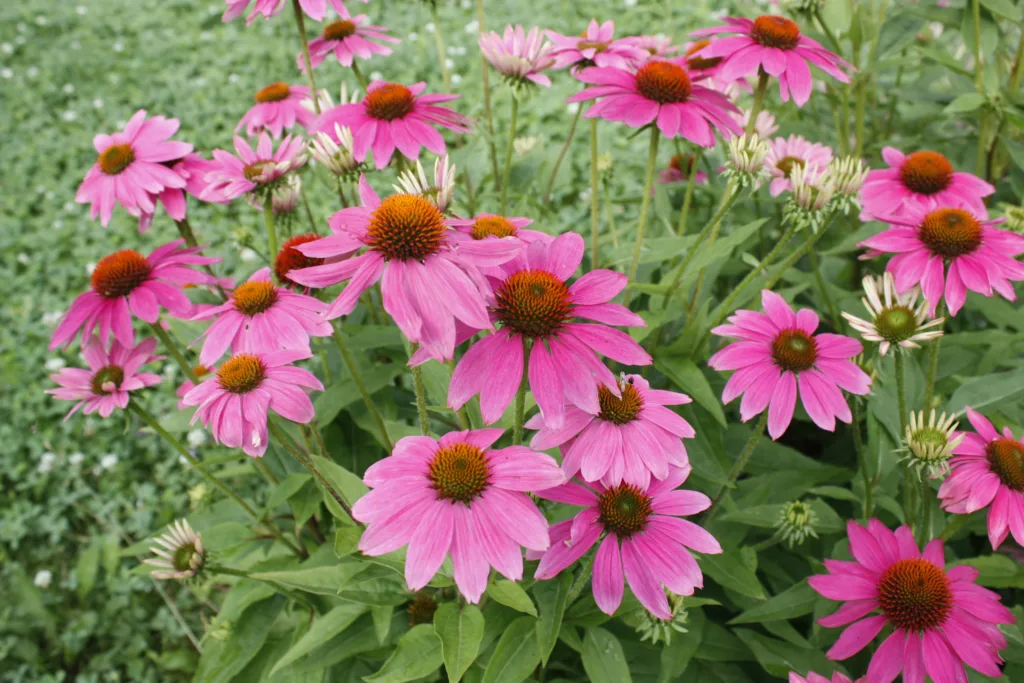
Some examples of native perennial flowers to plant in your garden include Rudbeckia (Black Eyed Susan), echinacea, daisies, liatris and blanket flower. The bees love these flowers and you’ll be able to watch them all summer long in your garden.
Tip 3: Stop Using Chemicals
Don’t spray your garden, don’t spray your lawn. This includes even ant hill sprays. All of these are really harmful not just to the ants but to the bees as well. Plus ants are a food source for a lot of birds so you’re poisoning the bottom of the food chain all the way up.
So stop spraying anything on your lawn.
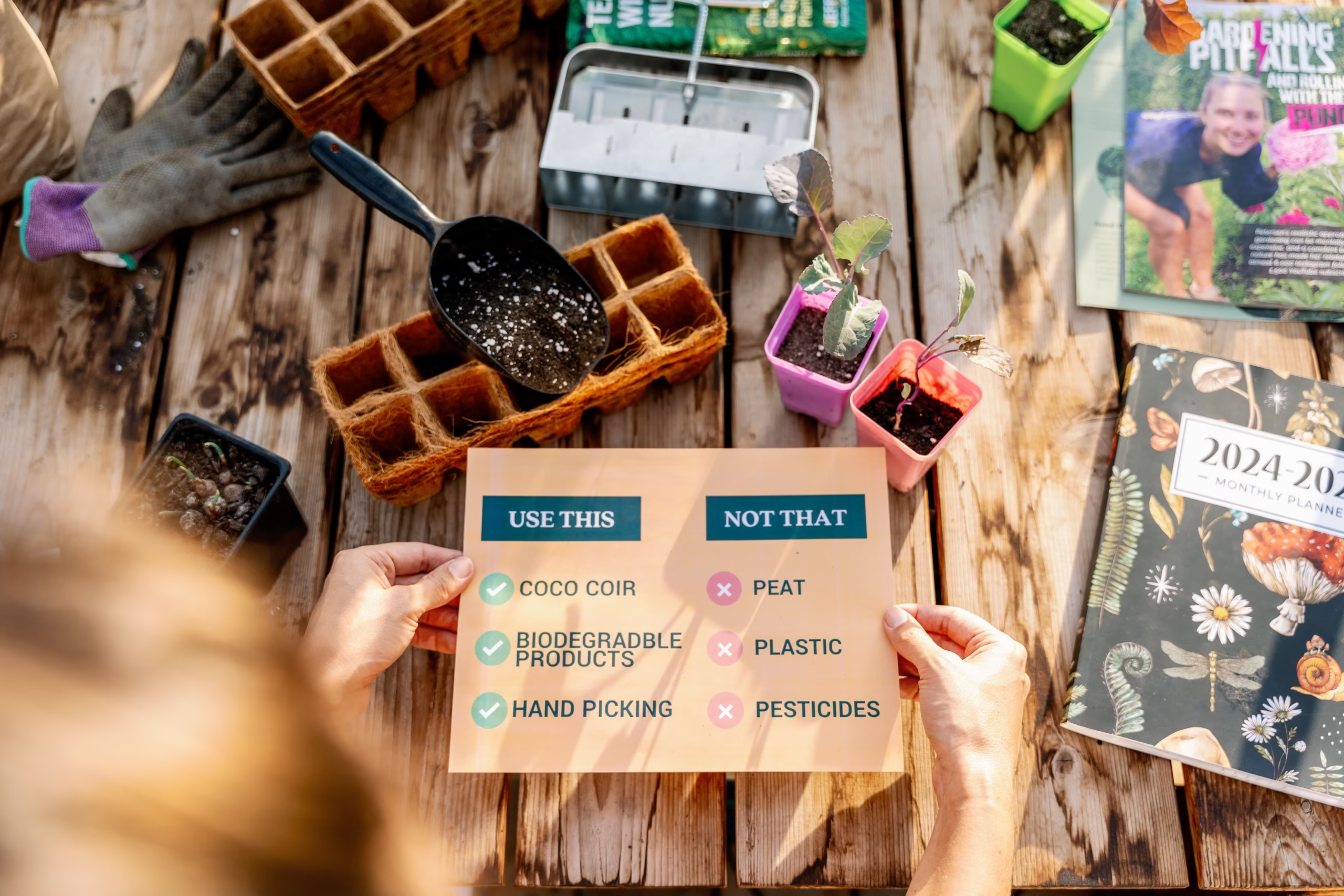
If you’re having an issue with certain ‘pests’, look for natural ways to deal with these different insects. The truth is though, that the best way to deal with pests is to either hand pick them off, if possible, or to invite birds in to take care of the issue. It’s always about working with nature, not against it. Nature has been in balance long before we invented chemicals, so look for natural ways to help your area. Or, learn to let go. So what if there’s an anthill in your lawn. Unless they’re moving into your house, ask yourself, why does it even matter?
There are organic sprays such as BT or neem oil but these are actually harmful to other insects as well. Many people suggest using neem oil but this can actually kill bees, so I would never recommend using neem oil on any of your plants.
Allow your lawn to be filled with native plants such as clover or wild strawberry or self-heal and just let them take over. These plants are native to the area and are going to do a lot more for the pollinators and insects around you than just having plain old grass will.
Tip 4: Leave Fresh Water Out
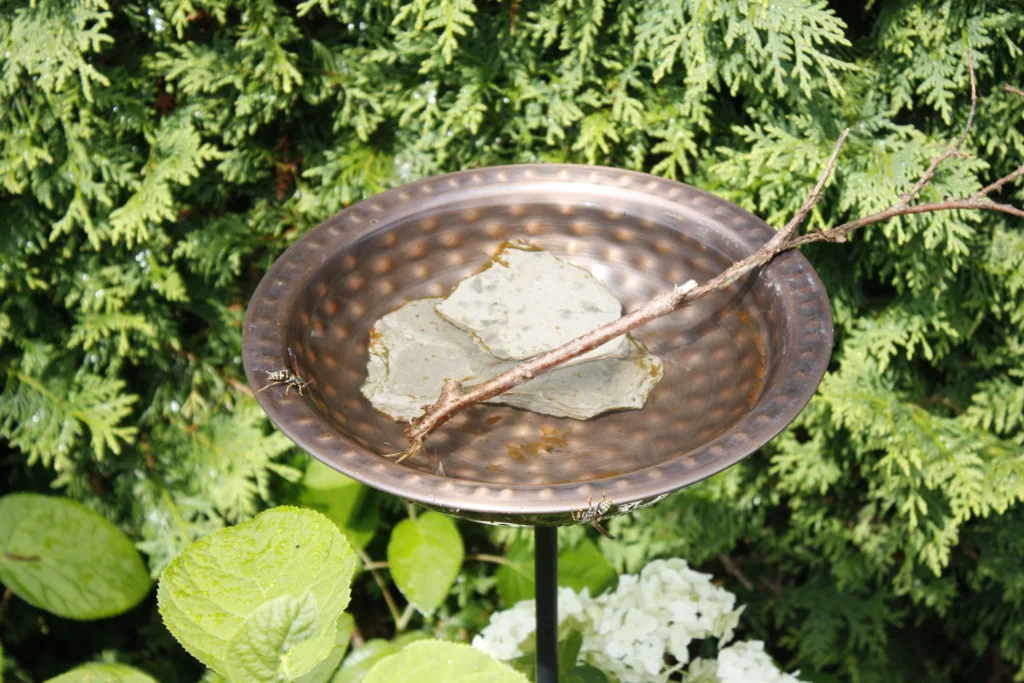
Next up is adding shallow bowls of water around your yard. Insects, including bees, do actually need to drink water. And so making sure that you include this in your property is a really great way to support them. When it comes to leaving out water for insects, you do want to make sure that the bowl is shallow so that way they don’t drown, which means that you’re going to have to clean it and refill it regularly. But if you only have a larger bowl, you can still use this. Just make sure that you either have something inside the bowl to make it more shallow or include a ramp so that if the bugs do land inside of there, they have a ramp to escape from.
Continue growing your garden knowledge
- I Was Wrong About Crop Rotation – Let Me Explain
- Drowning in Tomatoes? Here are 11 Ways to Use Your Harvest!
- 8 Tips to Build Healthy Soil (When Yours Sucks)
- Drowning in Zucchini? Here are 11 Ways to Use Your Harvest!
- 6 Spring Garden Pests You Should Know
Tip 5: Don’t Plant Doubles
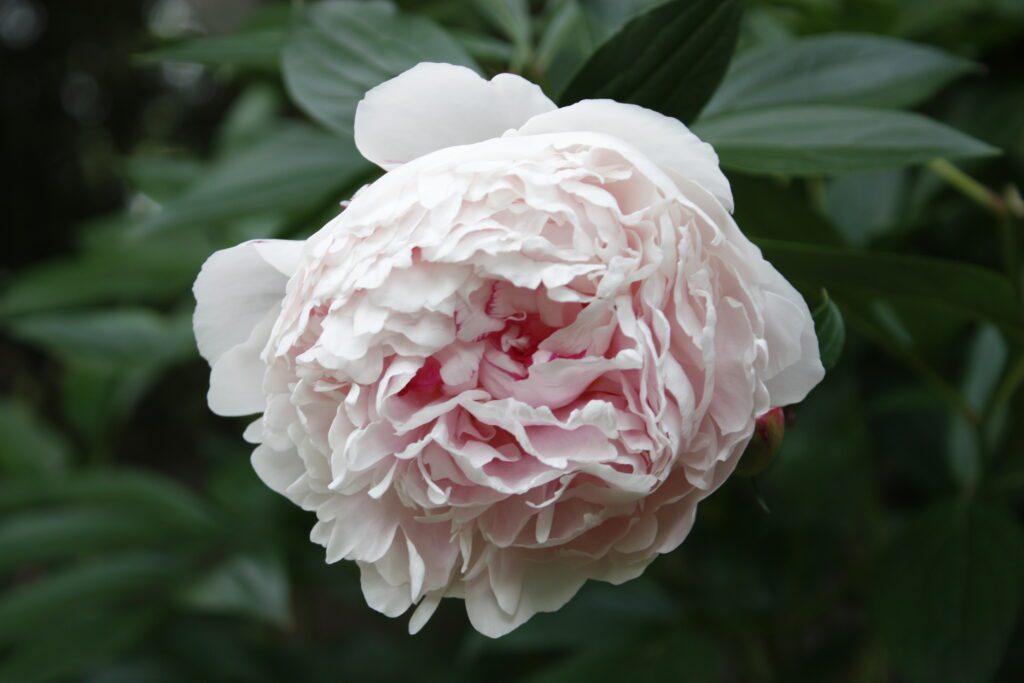
As beautiful as they are, avoiding planting any flowers that are doubles, or limiting how many are in your garden will help the bees. Doubles are common for dahlias, peonies, daffodils and some cosmos. Flowers that are big and fluffy, where you can’t see the centre reproductive parts, are doubles.
Doubles do occur in nature but not very often. The reason we can easily access them now is because their genetics have been bred into these plants for ornamental purposes. The problem with doubles is that the petals are now growing where the reproductive portion of the plant used to be. And where the reproductive parts are is where the pollen exists. So when you plant flowers that are doubles it means that there isn’t as much pollen available or it’s a lot more difficult for the bees to access.
This is why planting any type of flower that is a single petal flower is way easier for the bees to get access to the pollen. Black-eyed Susans are a perfect example of a single petal flower where the pollen is readily available for them. By choosing single petal flowers it means that you’re going to give better quality food to the bees.

Tip 6: Don’t Clean Up Your Fall Garden
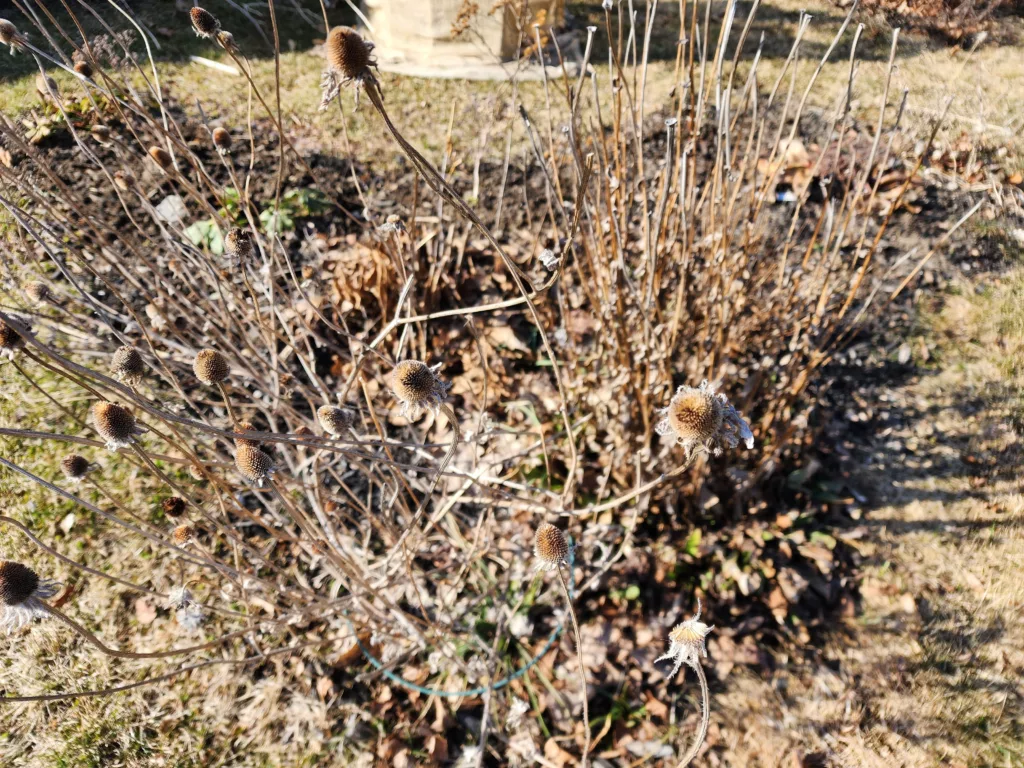
When it comes to yard cleanup, doing it in the fall is never the right choice if you want to support pollinators, and especially bees. I’m sure you’ve heard the quote “leave the leaves” but this is something that’s incredibly important. But it’s not just leaves from trees you should be leaving, you should also keep the brush from your flowers and even the stems of perennials. This comes back to the fact that our bees are solitary. The bees will use stems of dead flowers, the yard waste from fallen leaves or any other type of yard waste that exists to nest and even hibernate over winter.
So by choosing to not clean up in the fall, it means that you’re allowing these bees to find a place to hibernate and survive for next year in order to lay more eggs. This is obviously really important to keep population sizes up.
Now, on the flip side, if you clean up the leaves too early in the springtime you’re quite literally throwing away these bees and many other important insects. Especially if you’re throwing it into a location that will leave your property, such as yard waste bags for municipal pickup. All of these bees and moths are being tossed away and they’re going to be killed.
Bees require external temperatures to regulate their body temperatures. If you clean up your yard waste before outside temperatures are regularly 10°C or higher, they haven’t had a chance to wake up and finish hibernating. Every time you clean up your yard waste early in spring, you’re throwing away these sleeping bees.
So again, in the fall time leave the leaves, leave the yard waste and let it stay natural over the winter. Not only are you giving space for these insects to hibernate but you’re also allowing the seed heads on your flowers to become food for birds too. And when spring arrives, wait until temperatures have consistently (for a week or longer) been above that 10°C mark before you clean it up.
And honestly you might think it’s ugly or messy but it doesn’t matter. Without the bees you’re not going to have a garden and you’re not going to have flowers. You must remember that in nature you can’t control everything. And our perceived view of beauty often comes at the expense of animals and insects, and we can’t keep living this way. This way of living has caused the collapse of bees, and we need to start reversing the damage.