If you’re anything like me, it’s easy to get overwhelmed during the garden season – leaving food to grow out and not harvesting it in time. But rather than letting the food go to waste, here are some ways you can use your garden harvests in a way that is quick, simple and effective.
Freeze It
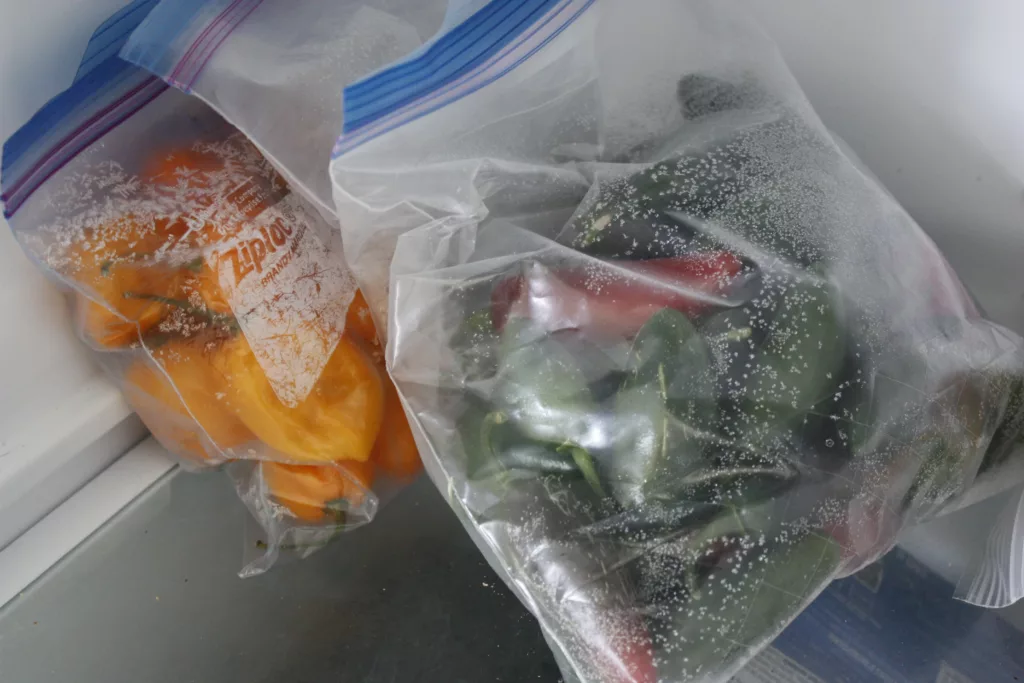
This is my preferred way of managing my garden when I’m feeling overwhelmed and there’s too much food. Why? Because all you need to do is give it a quick wash, pat it dry and throw it in the freezer. Then you can use your frozen food later in the year. Whether it’s during the garden season because of a crop failure or during the winter for soup stock, frozen food picked in its prime is the best.
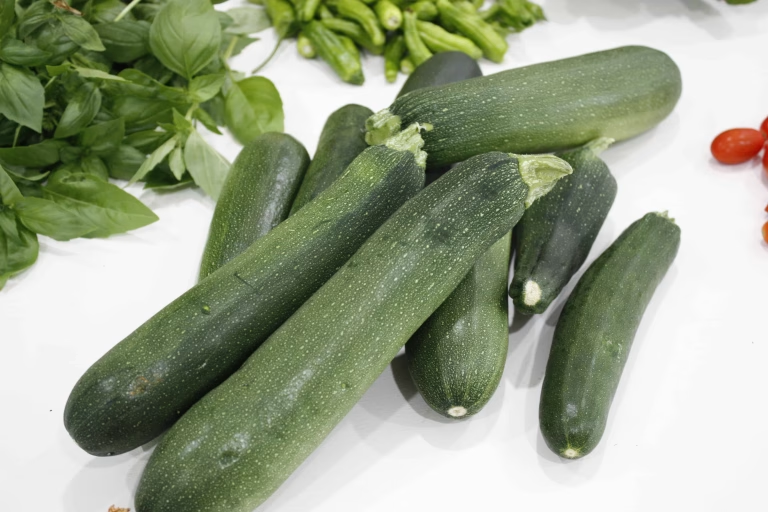
The only major downfall to freezing your garden produce is that not all foods freeze well. For example, cucumbers don’t defrost well and aren’t useful after being in the freezer. However, most vegetables can be preserved this way!
Pickle It
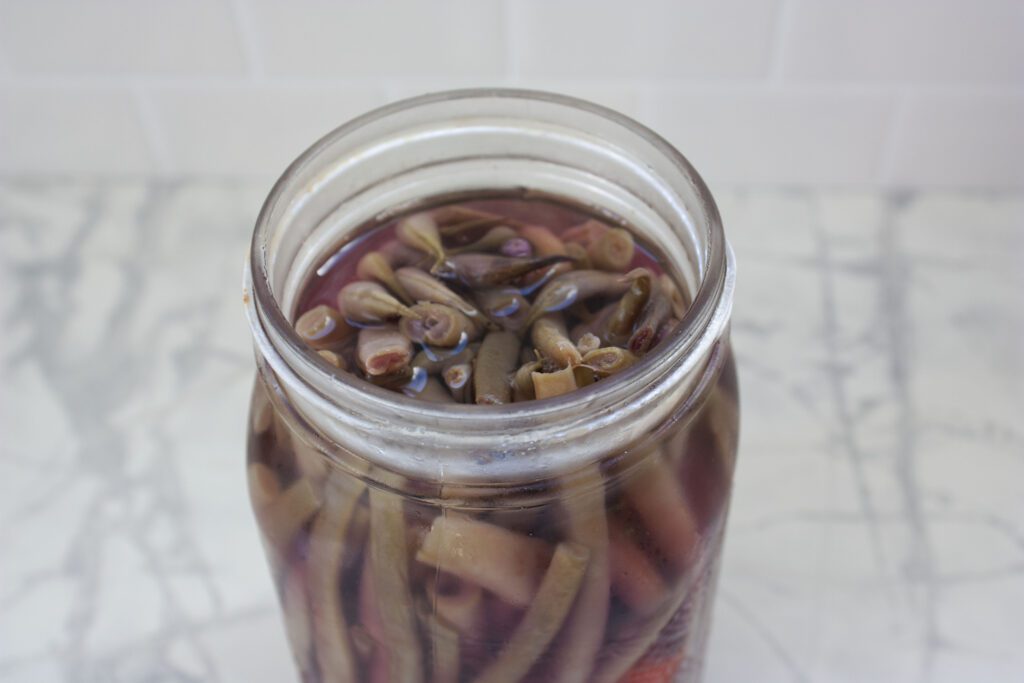
Whether you quick pickle, or pressure can – pickling is a great way to preserve your garden harvests. This is particularly good when you are overrun with certain vegetables like beans or cucumbers. Many other vegetables can be pickled too and depending on the space in your fridge or your pantry will determine how you will pickle your veggies.
I love to quick pickle, but it does require all my jars to stay in the fridge – but if this is something that interests you, you can check out my quick pickled bean recipe and quick pickles here!
Dehydrate It
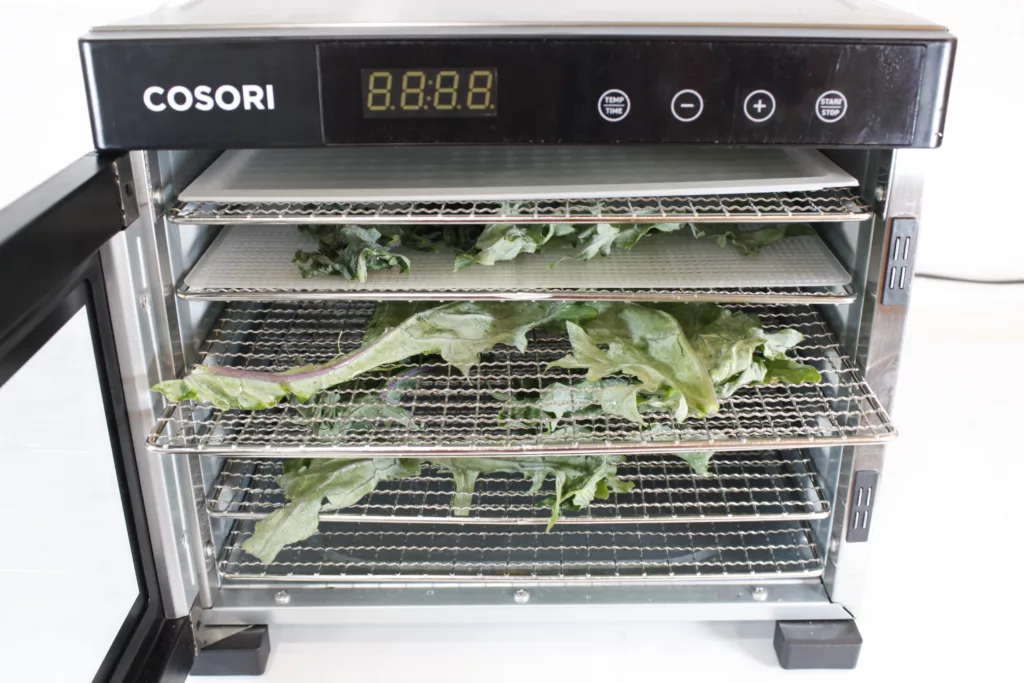
Dehydrating your garden crops is a great way to have them last a long time. Foods that are great to dry include tomatoes, herbs like basil, dill, oregano and sage and leafy greens you can turn into a powder for smoothies. Hot peppers are another great vegetable to dry and turn into hot pepper powder, or to rehydrate later in sauces.
Can It
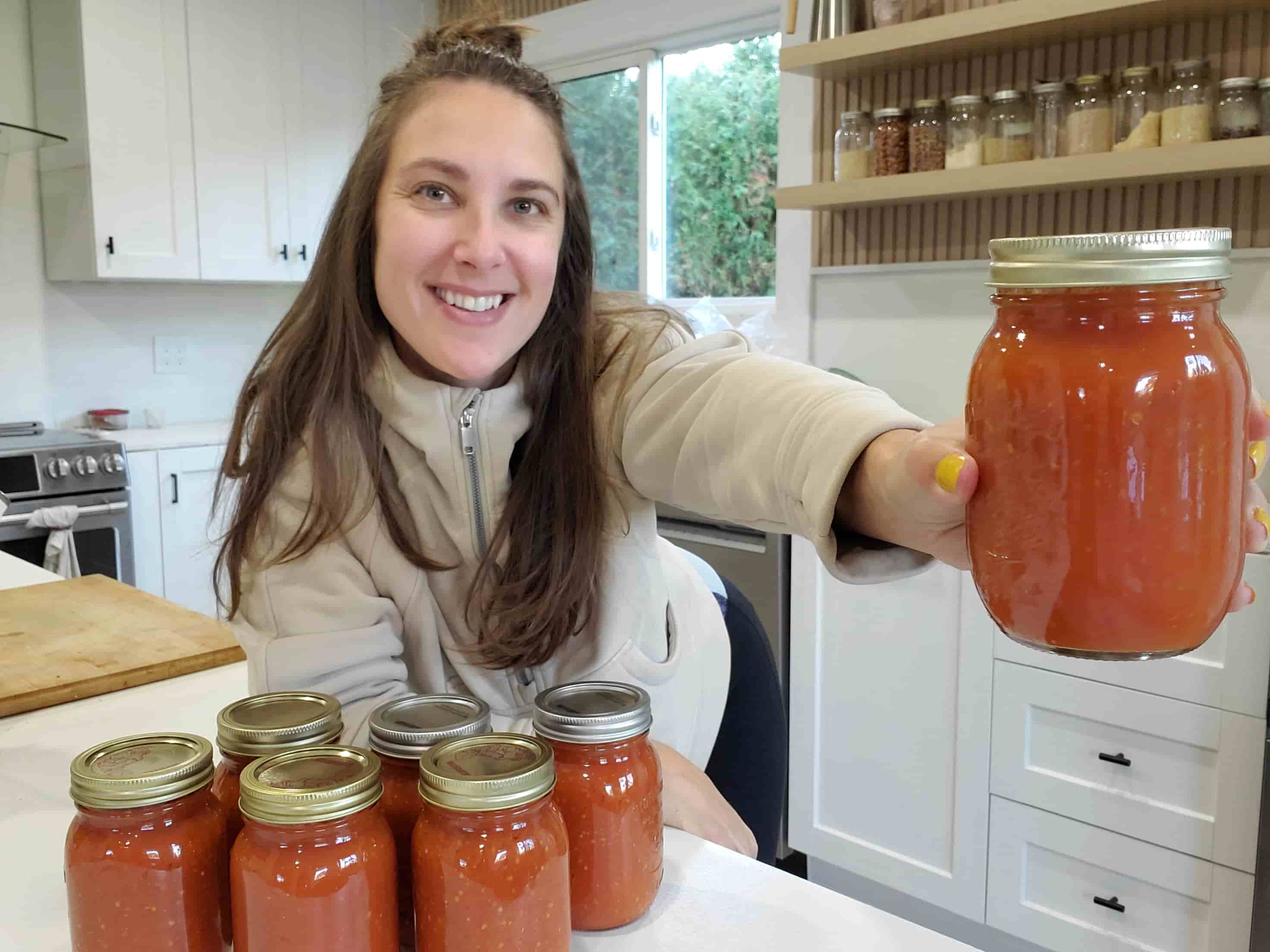
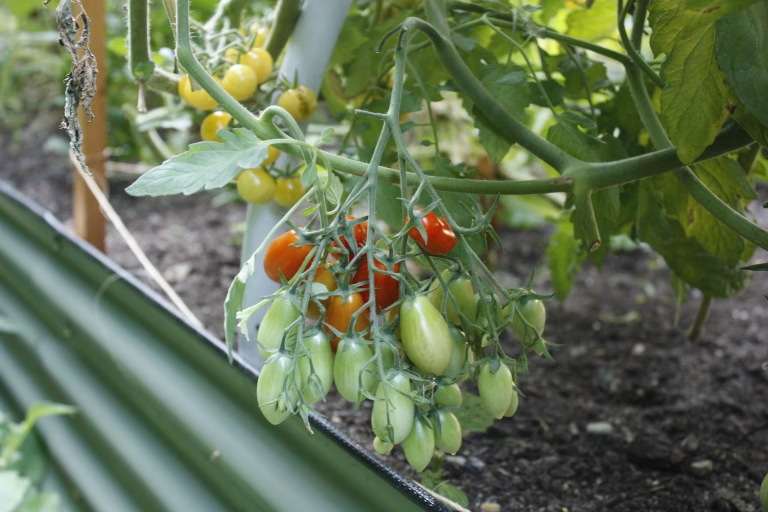
Canning is one of the best options for preserving your garden harvests but does require some time and energy. There are two ways you can can, water bathing and pressure canning. Water bathing is specifically for foods with high acidity like tomatoes, but otherwise pressure canning is the primary way to can. If you have a ton of tomatoes you can make pasta sauces, can whole tomatoes or even make salsa!
Most foods can be canned so if you’re hoping to fill up your pantry for the season with your garden harvests, this is a great way to do it!
Donate It
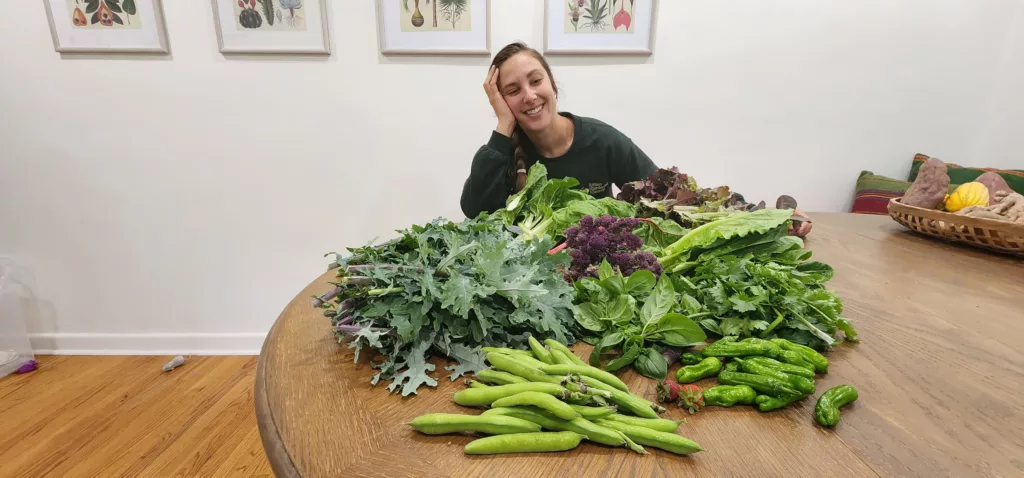
If you’re overrun with veggies and either have done all of the above or just don’t have time – donating your food to neighbours, family or the food bank is a great way to avoid food waste. Consider posting in your neighbourhood group offering food, visit friends and bring over some garden fresh produce or contact your local food bank and see if you can donate food to them.
Continue growing your garden knowledge
- I Was Wrong About Crop Rotation – Let Me Explain
- Drowning in Tomatoes? Here are 11 Ways to Use Your Harvest!
- 8 Tips to Build Healthy Soil (When Yours Sucks)
- Drowning in Zucchini? Here are 11 Ways to Use Your Harvest!
- 6 Spring Garden Pests You Should Know
Feed it to the Worms
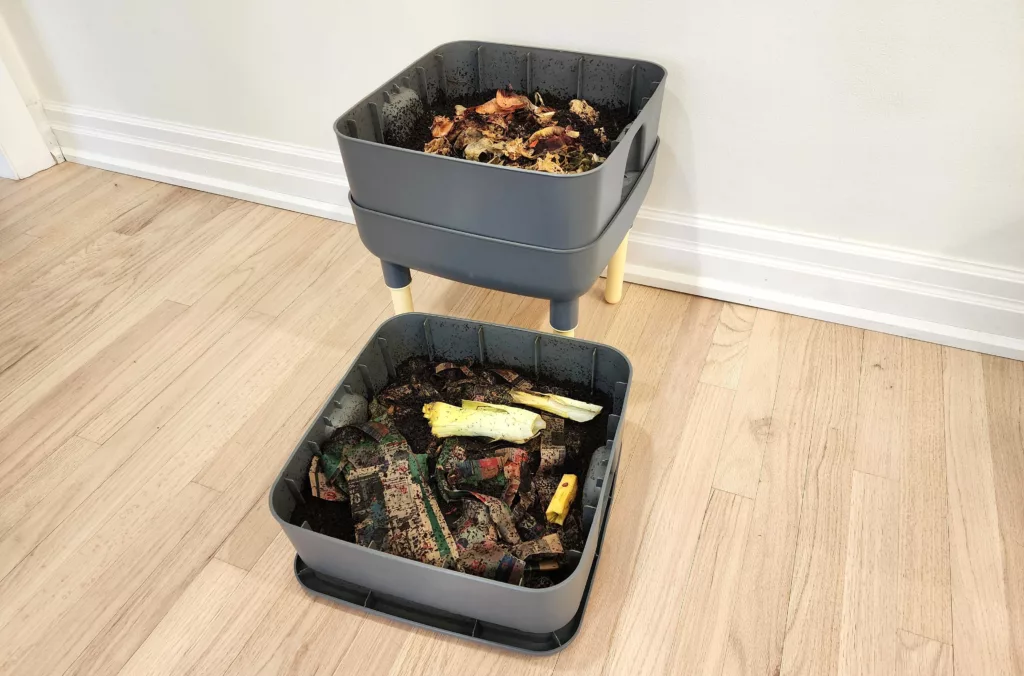
If you have a worm composter you can feed some of your garden produce to your worms! This is a great way to turn your excess garden harvests into highly nutritious soil that you can use in your outdoor garden or for your indoor plants. If you grow on a balcony or small space, worm composters are perfect because they can take the amount of food you would otherwise be wasting and will turn it back into soil for you.
Compost in a Countertop Composter
Over the past few years counter composters have gained popularity. These are great for people who live in apartments or condos or don’t have access to a green bin program in their city. What these countertop composters do is dehydrate your green waste and turn it into a powder that can be put back in your garden or houseplants. The biggest concern with these products is that they are expensive to invest in and you usually have to buy charcoal pucks to upkeep them.
Compost Outdoors
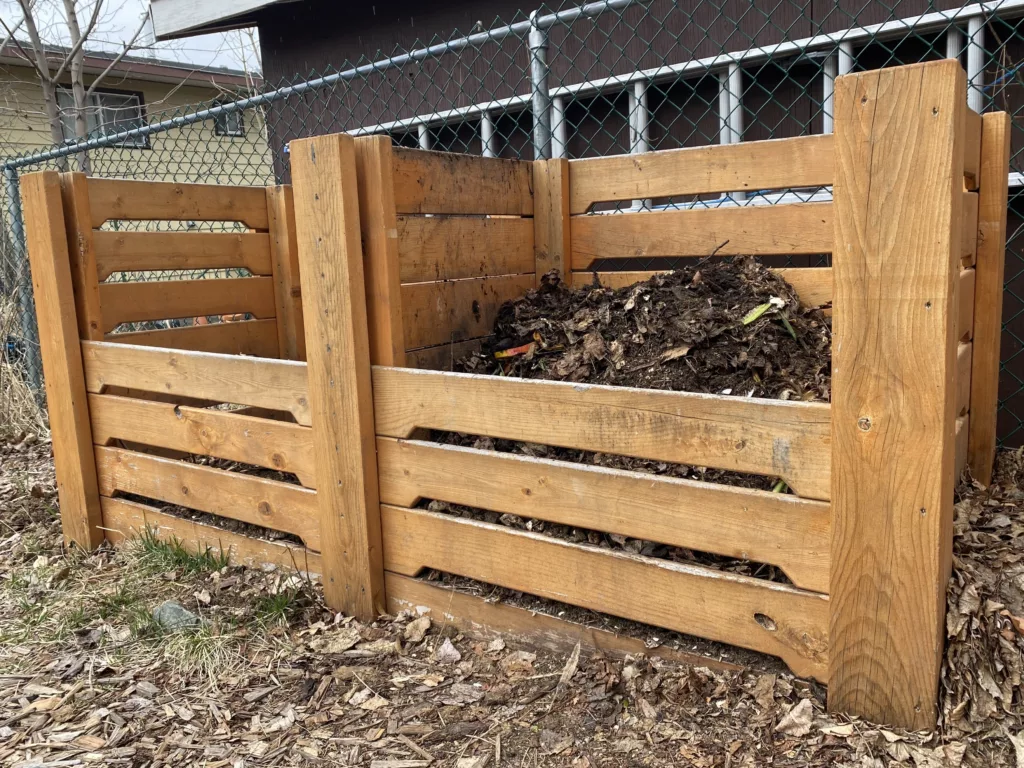
If you have the space, consider building a compost bin outdoors. These composts are great for if you have a lot of food and yard waste. Although it might feel bad throwing out good food from your garden, you can rest easy knowing that your garden food will turn into black gold that you can put back in your garden for next season.
It’s Inevitable To Waste Some Food
The reality is that there are so many things that come up during the garden season that can lead to food waste. Oftentimes we travel in the summer, an unexpected injury can take place, or you just planted too much thinking it was right and now you’re overrun with it. There will always be something that comes up. However, with the above 8 tips, hopefully you can reduce how much garden harvests are wasted and you will find yourself eating garden fresh food all year long.