Lettuce is the best! It should be a staple in every garden since it’s super easy to grow from seed. It also loves cool weather so you can plant it continuously from April to October. That’s a lot of lettuce and a lot of savings on your grocery bill!
Once you learn how to grow lettuce at home, you’ll wonder why you didn’t grow it sooner.
Lettuce Growing Basics
What season does lettuce grow well in
Lettuce prefers cool weather and does best in the spring and fall. You can grow lettuce in the summer, but during heat waves you should cover them in shade cloth. When the weather gets too hot for lettuce, it will go to seed, so giving it shade can help prolong it’s lifespan.
Disclosure: Our website is reader-supported. Some links may be affiliate links that provide us with a small commission
How long does lettuce take from seed to harvest
Lettuce is a super quick crop to grow. From planting the seed, to harvesting the leaves, it will take around 45-75 days (depending on the variety). Planting a mixture of varieties that are quick to mature, with longer maturing varieties, means you can harvest for longer.

When can lettuce be planted outdoors
Lettuce has a very long growing season. Since it grows so quickly you can grow multiple rounds of lettuce across a long season, from spring until late fall! Some people even grow it through winter.
Lettuce can be planted out earlier in the spring, under cover. As long as temperatures are hovering around the 0°C mark you can plant it outdoors. This means that you can get it out early, and also plant it late in the growing season as well. Just be mindful that lettuce isn’t frost tolerant so you’ll want to protect it at night if there’s a chance of frost.
You can start lettuce two ways, depending on the time of year. The first is to sow the seeds indoors so that you have seedlings ready to be planted in the spring (or buy seedlings), the other option is you can direct sow it outdoors.
Common lettuce varieties
Did you know there are different cultivars of lettuce?
If you’re new to growing lettuce (Lactuca sativa), or have been growing it for a few years and have never grown a “grocery store” type lettuce, this could be why!
The three most common cultivars grown are leaf, head and romaine (cos). It’s important to know the varieties, since each grows differently. Head and romaine lettuce grow heads, while leaf lettuce stays as a loose plant.
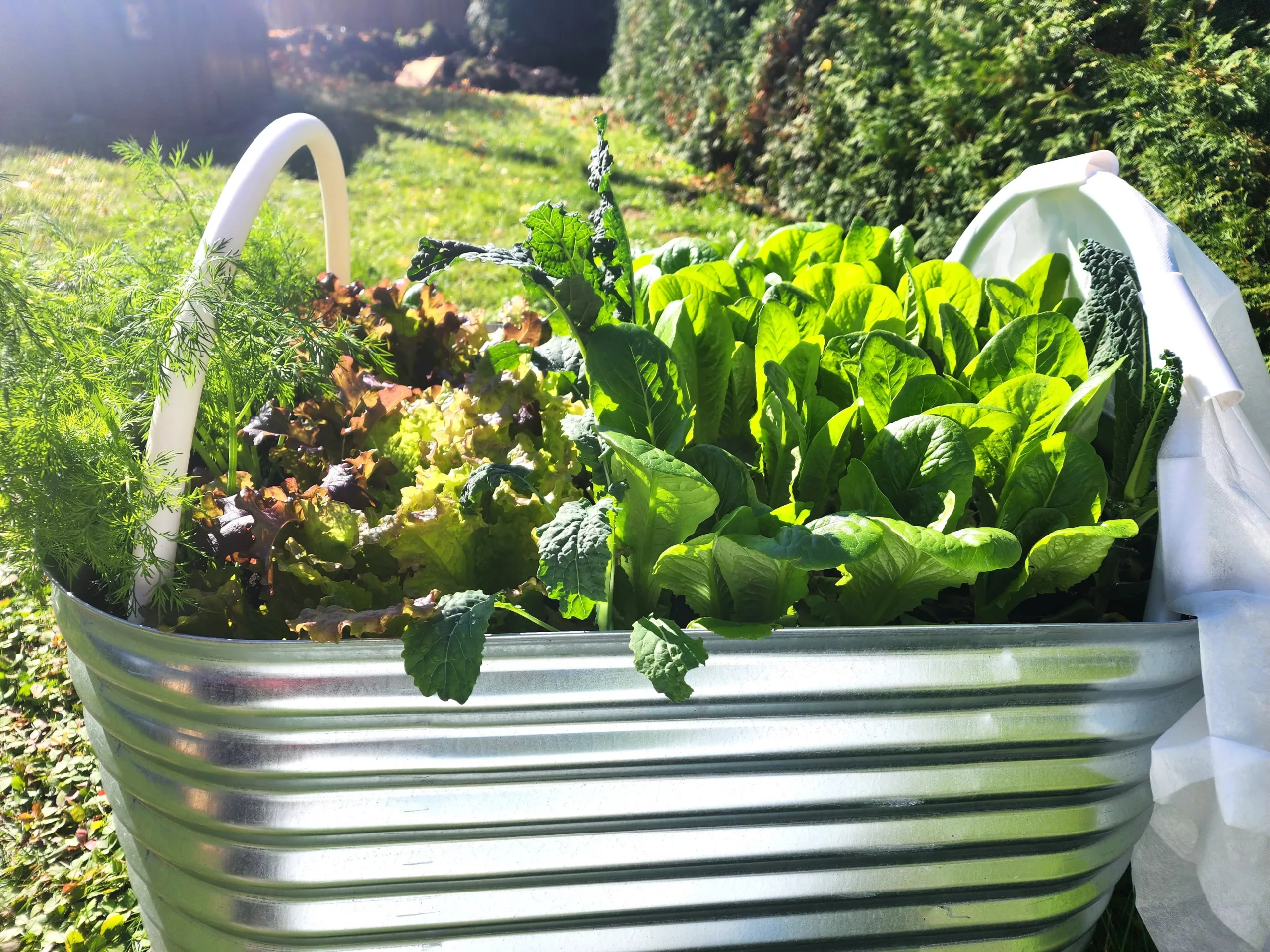
Below is a photo of a couple different leaf varieties, planted beside swiss chard, kale and purple bok choy.
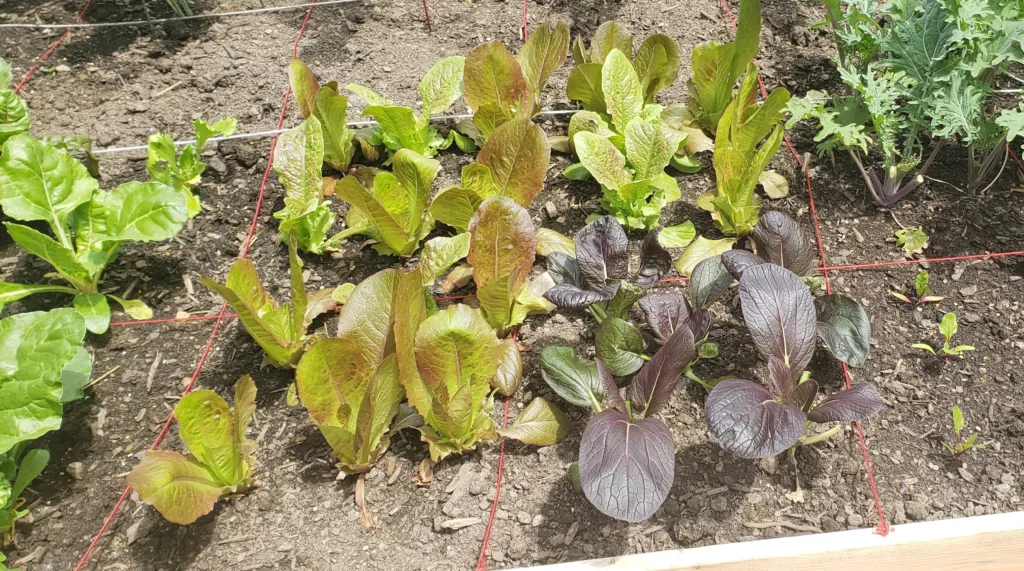
For years I grew lettuce and could never understand why it grew small, and never formed a head of any kind. Finally I found out that all the varieties that I had been growing were leaf lettuce, which is usually meant for mixed salads. When you’re buying seeds, you’ll want to know which cultivar you’re looking for, so that you can grow the exact style of lettuce you hope to.
Learning that there were different types of lettuce, and that they don’t all grow the same way, changed how I grew lettuce. I hope that this story helps you in your lettuce growing journey, so that you can grow the exact varieties that you’re hoping to, for a delicious lettuce harvest.
How to Grow Lettuce from Seed
Lettuce seeds are super cheap to buy. For $3 you can get anywhere from 400-1200 seeds and each seed grows a full head of lettuce!
When to start lettuce seeds indoors
If you want to get a head start on the growing season, and have the ability to grow under cover, you can start lettuce 8-10 weeks before last frost, and plant out (covered) 4-6 weeks before your last frost date (or sooner, if you have mild winters and the temperatures are around 0°C). If you want a continuous harvest of lettuce, plant new seeds every 2-3 weeks.

Lettuce seeds should be planted on the top of the soil, as they need light to germinate. An easy way to plant lettuce is to take pinches of seeds and disperse them across a seed starting tray filled with seed starting soil.
They should germinate within a week, and once they have grown their first or second true leaf, you can transplant them into their own pots. The 6 cell trays are a good size for the small lettuce seedlings to grow in when you first transplant them.
Continue your gardening journey with these other articles:
- 5 Tips to Know When to Harvest Any Vegetable
- I Was Wrong About Crop Rotation – Let Me Explain
- Drowning in Tomatoes? Here are 11 Ways to Use Your Harvest!
- 8 Tips to Build Healthy Soil (When Yours Sucks)
- Drowning in Zucchini? Here are 11 Ways to Use Your Harvest!
When to transplant indoors
If the weather remains cold, but your lettuce has grown larger, you may need to upgrade their pots inside. When transplanting your seedlings, upgrade the soil to a garden or potting soil (rather than seed starting soil) to give them some nutrition. Once you’ve potted them up, give them a good water and keep them under grow lights or in a sunny window.
When to transplant outdoors

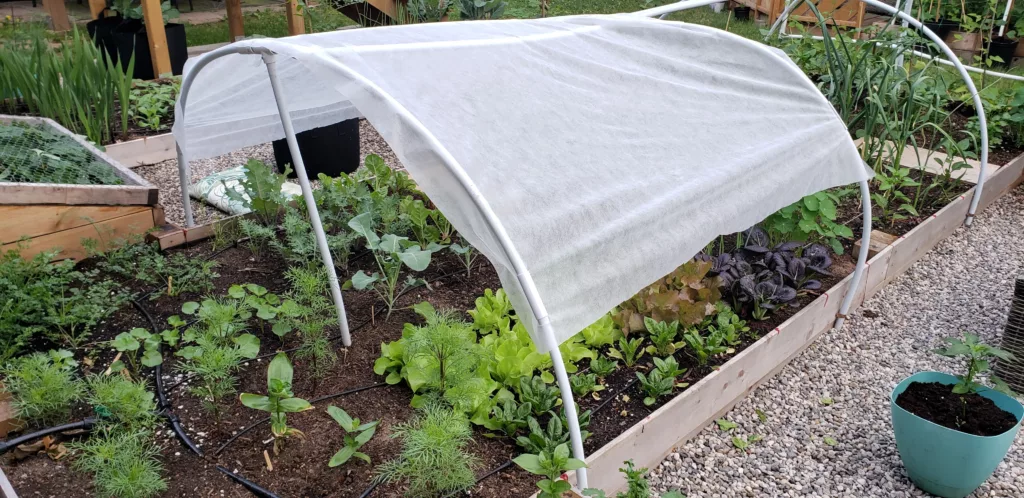
Lettuce can handle temperatures as low as -5°C. Lettuce won’t grow in these temperatures, but they will stay alive. This means that, as long as the nights are regularly -5°C, or warmer, you can plant out your lettuce under cover. Cover includes things such as cold frames (pictured above), buckets, plastic poly, frost cloth or even a bedsheet. If you plant in the early spring, make sure you harden your lettuce off properly during the day.
Lettuce prefers to grow in temperatures between 10-20°C, but once it gets over 20°C they start to get uncomfortable. This is when shade cloth is helpful.
April may seem early to plant your lettuce, but when the days are above 0°C, and if the plants are under cover, the temperature under the cover can easily reach above 10°C. This means you can be planting, growing and eating lettuce earlier than most people! If your cover doesn’t allow light in, make sure to uncover your lettuce every day. If your cover does allow light through, make sure to vent it if the days are warm and sunny. Your cold frame or hoop house can get surprisingly hot inside.
The same for spring, applies to fall. As long as the nights don’t get colder than -5°C, you can continue to grow lettuce outdoors. When planting lettuce outdoors in fall, you do need to plan ahead. If lettuce takes 45 days to maturity, you’ll want to make sure you’re planting your last round of lettuce around 45 days in advance of your first frost.
How to plant lettuce seedlings
Whether you have lettuce seedlings that you grew from seed, or that you bought from the nursery, planting them is the same. The first step is to find the right spot for your plants. Lettuce prefers part sun and will go to seed quickly if it receives too much sun and heat. When you plant them in your garden, make sure the base of the plant is at the soil level, and that you don’t plant it deeper or too shallow.
In terms of planting distance, it depends on the variety you’re growing and how large you want the plant to grow. The closer you plant the lettuce together, the smaller the plant will be, so you don’t want to overcrowd them.
For planting distance, there are two things you can look to: you can either follow the distance mentioned on the seed packet, or you can follow the square foot method spacing which is 4 plants per square foot.
How to care for lettuce
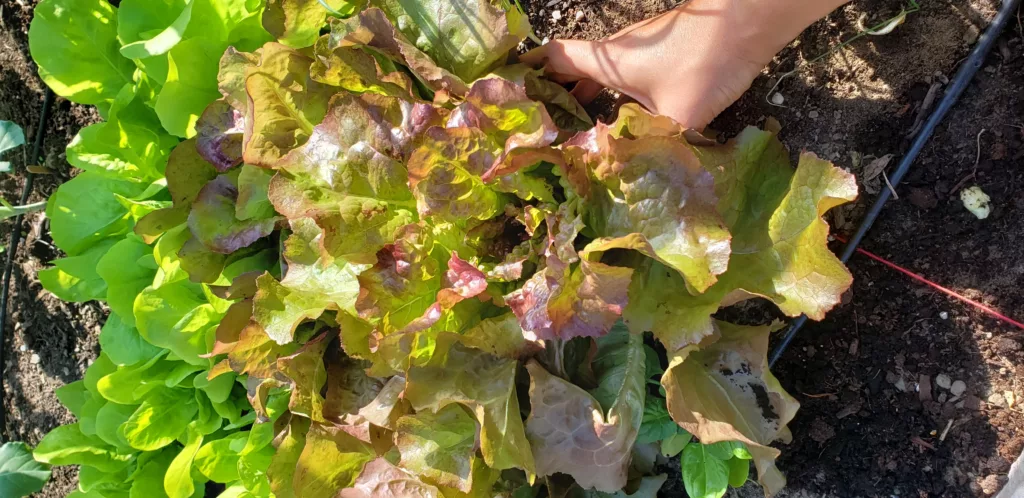
Overall, lettuce is a fairly maintenance free plant. Since much of the plant is made up of water it can be thirstier than other plants, therefore you’ll want to water it every couple of days.
If the weather is going to be hotter than 20°C, consider putting shade cloth over the lettuce to keep them cooler, and prevent them from going to seed.
If you wish, you can fertilize your lettuce, however I never do and have not had an issue with it growing to maturity. I’m not a big fan of doing extra work if it isn’t required (we are lazy gardeners around here!), so it’s your choice if you wish to fertilize it or not! If you do decide to go this route, look for a balanced fertilizer blend where the NPK are all equal (such as 10-10-10 or 5-5-5).

How to harvest lettuce
There are two different ways to harvest lettuce. The first is by harvesting the entire plant. If you’re growing head lettuce such as iceberg lettuce or butter lettuce then you’re going to harvest the entire plant when it grows to maturity. Your plant is ready to harvest once it forms a head in the centre of the plant that has grown to a size that you think is right for your needs.
That’s right, harvest when it’s the right size for you. Lettuce can be harvested at any time! It doesn’t matter. We harvest tiny lettuce leaves all the time when we desperately need it for our sandwiches. And that’s totally okay!
The second way to harvest lettuce is called the “Cut and come again” method. This harvesting method is great for leaf lettuce and romaine varieties. What this means is that you cut, or break off, the mature outer leaves of the plant and leave the rest of it in the soil. So you harvest what you need, and let it continue to keep growing. With this method, growing multiple plants is helpful so that you have more to harvest when your demand is higher (like when you want a big salad). Using this method on romaine comes with one drawback though, is that your plant can start going to seed overnight making the plant more bitter, so at the signs of it going to seed, harvest the entire head.
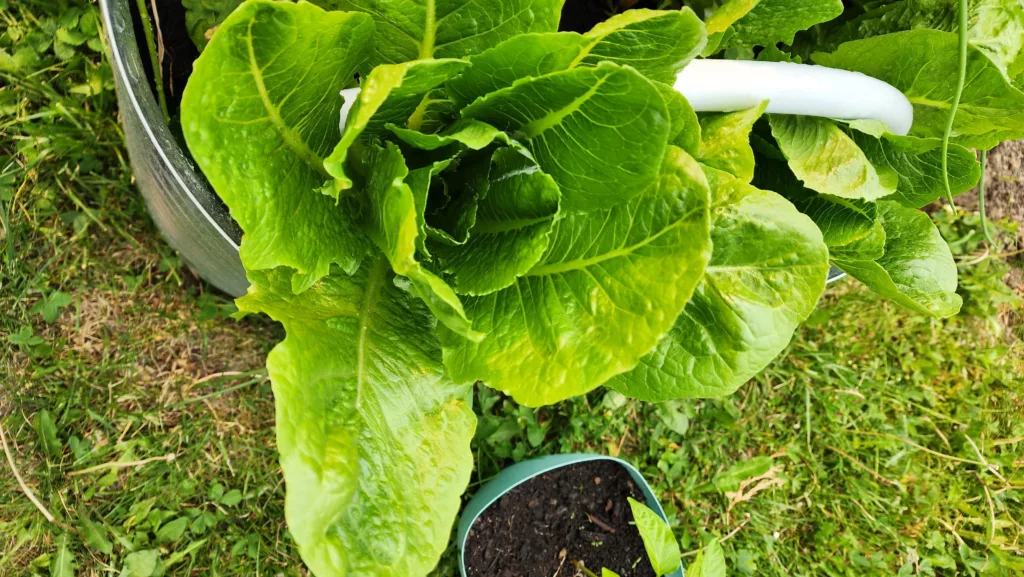
When lettuce goes to seed
Lettuce will go to seed either if it’s left in the garden past its maturity date or when the temperatures get too hot (it will prematurely go to seed, this is called bolting).
When lettuce begins the process of creating seed you’ll notice it starting to grow taller, as it forms a stalk in the middle of the plant. You can’t stop the process from happening, but if you catch it early you can harvest the plant and eat the leaves.
The longer you wait, the more bitter tasting it will become. At that point, you can either rip the plant out and plant something new in its place, or you can let it go to seed and let the bees enjoy the flowers and you can collect the seeds.
One important piece of information when it comes to collecting seeds is, do NOT collect seeds from plants that have bolted from the heat. These plants will not grow strong future lettuce plants. Only collect seeds from lettuce that reached maturity and then went to seed.
Succession sowing
Succession sowing is when you plant new seeds before you’ve harvested the first plants you grew. The reason for succession sowing is so that you don’t run out of lettuce. Rather than planting one time, and harvesting once, you plant every 2-3 weeks to ensure you get a continual harvest of lettuce. With succession sowing you can either start the seeds indoors, or you can start them outside.
Around here, succession sowing is the gardening fantasy, but real life gets in the way and we never manage to successfully do it! It’s one of those “nice to do” items, but sometimes can feel very impractical. I wanted to share it with you so that you know it’s something you can do for a continuous harvest, but don’t beat yourself up if you aren’t able to do it!
And that is everything you need to know to grow lettuce! I hope you have the salad bowls of your dreams this season and enjoy the grocery savings while you’re at it!