Bush beans are a garden staple. Why? Because they’re easy to grow, produce food quickly, and can be planted in the heat of summer without any issue. When you harvest plants mid-season (such as garlic), beans are the perfect plant to fill the space and produce a ton of food.
A Quick Summary
Bush beans (otherwise called string beans, snap beans or green beans) grow on upright, bushy plants. Unlike their pole bean counterpart, bush beans don’t require any trellising to climb and grow. They grow quickly and produce heavily and are great for beginner gardeners.
Bush Bean Varieties
Our website is reader supported. Some links in this article can earn us commissions, at no additional cost to you
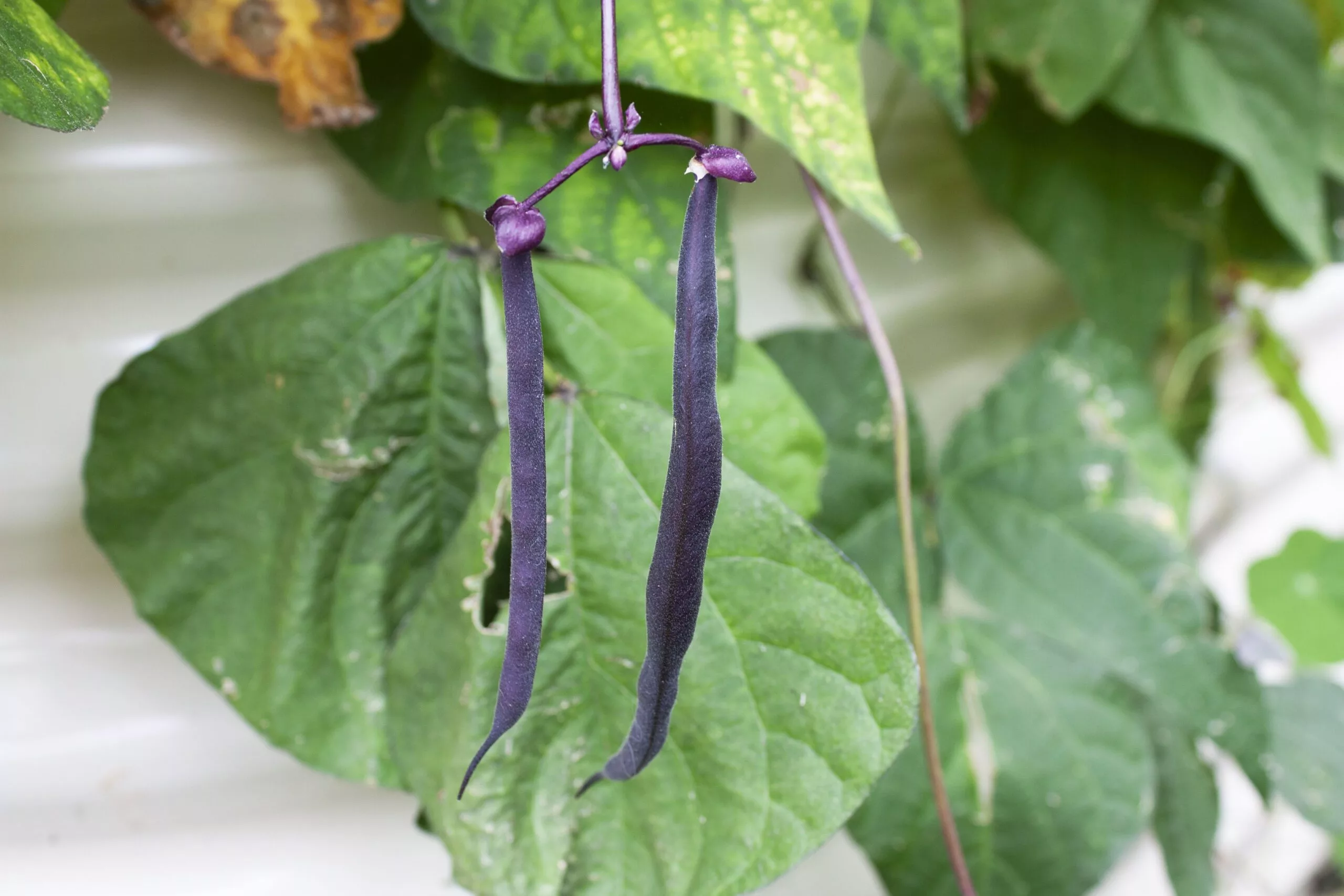
There is a wide selection of varieties on the market that come in a range of colours from green, to yellow, to purple. There is even one that is green with purple striping called Dragon Tongue. Two varieties that we recommend are Celine and Maxibel Filet.

Sun & Soil Requirements for Bush Beans
Bush beans prefer to be grown in full sun and well draining soil. If you have part sun they will still grow but will produce less. Too much nitrogen can affect bean pod growth, so don’t plant in soil that has a high mixture of manure.
How to Plant Bush Bean Seeds
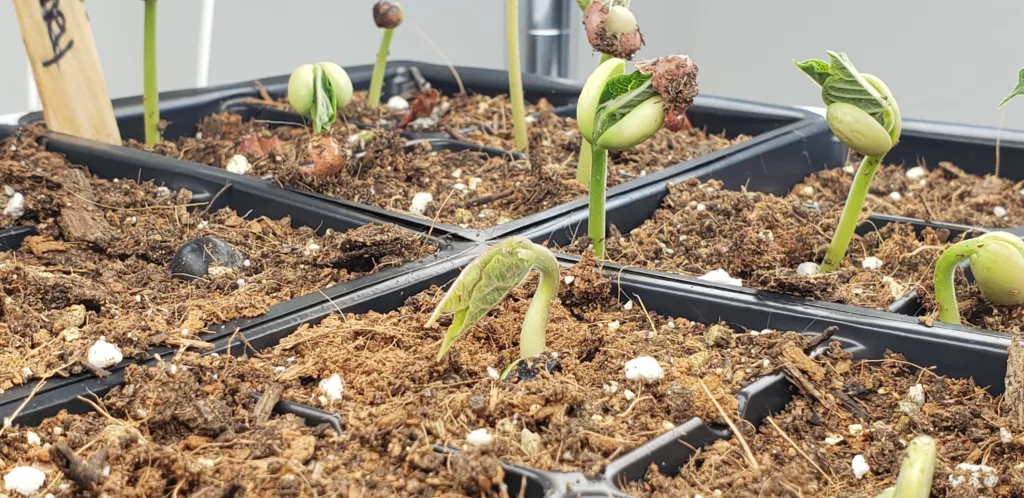
Beans grow best when planted directly in the garden outside. You can plant them indoors to get a head start on the growing season, however their average days to maturity is around 60 days so it isn’t necessary to use up indoor space on beans. Wait until your last frost has passed and plant directly in the garden, around 6″ apart.
Beans are very prolific, but if you absolutely love beans and want an endless harvest, plant bean seeds every 3-4 weeks.
Caring for Bush Bean Seedlings
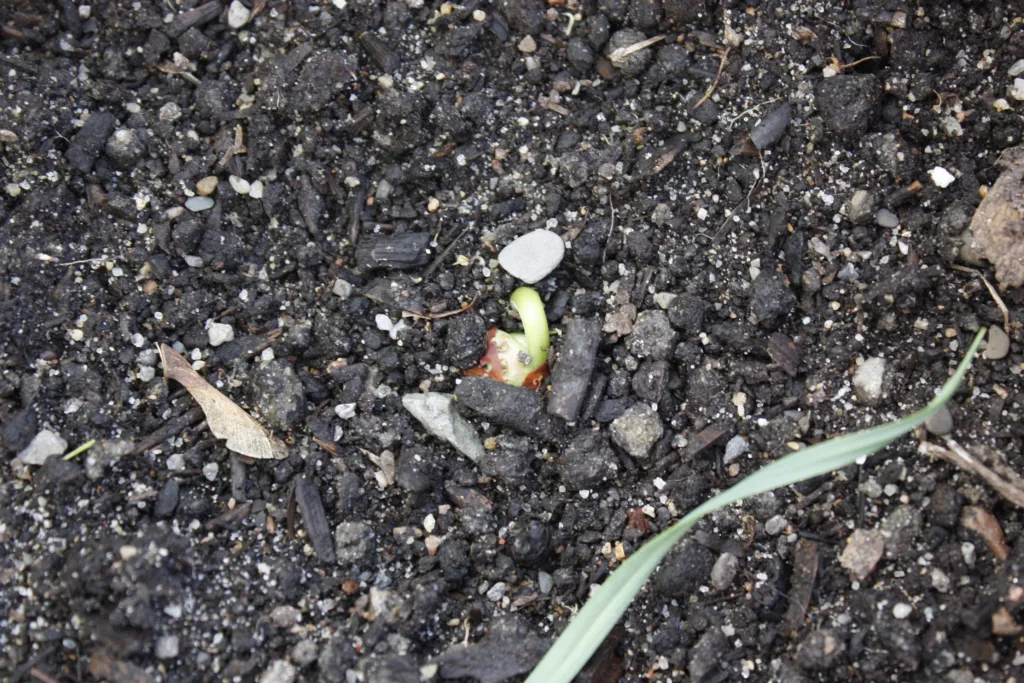
Beans are simple to grow and don’t require much effort except when they first sprout out of the soil. Bean seedlings are highly coveted by slugs and small animals. I can’t count the number of plants that I have lost to insects and animals. One minute the seedling has sprouted, and hours later you would never even know that a plant was there because it was eaten to nothing!
To protect your beans when they’re young, you have a few options. You can plant them in a higher raised bed where there’s less access for animals and slugs, you can start them indoors and plant them out when they are large enough to survive animal damage, or you can plant them under cover them with protection such as under insect netting or poly.
Continue your garden learning:
- I Was Wrong About Crop Rotation – Let Me Explain
- Drowning in Tomatoes? Here are 11 Ways to Use Your Harvest!
- 8 Tips to Build Healthy Soil (When Yours Sucks)
- Drowning in Zucchini? Here are 11 Ways to Use Your Harvest!
- 6 Spring Garden Pests You Should Know
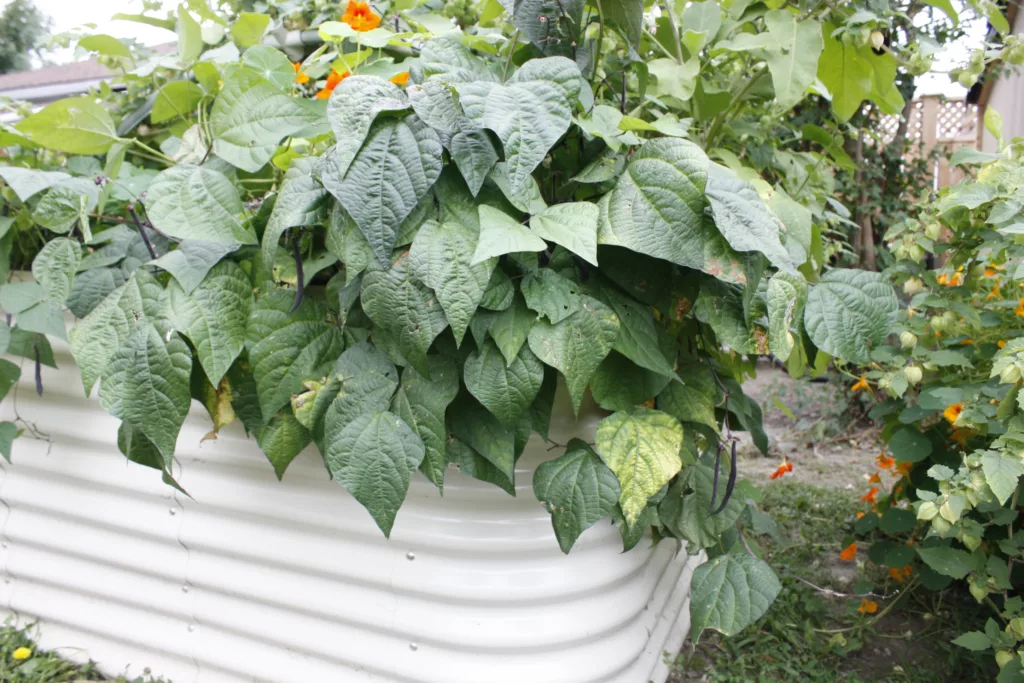
Watering Bush Bean Plants
Beans require regular watering to promote flowering and bean pod growth. Water in the morning to avoid the leaves staying wet overnight which can promote disease.
If the beans get too much water, such as when the summer is super wet, your beans may start to grow more like pole beans than bush. In the picture above you can see the bush beans hanging out of the garden on the right, and this was because the season was super wet and the beans can grow unusually with excess water.

Harvesting Bush Beans
To get tender beans perfect for frying, pick the beans when you can start to feel the beans inside the pods, but when the pods are still thin. The beans will usually be around 3-4″ in length. The more beans you harvest, the more the plant will produce. So once the plants start to produce you’ll want to check them daily. Beans grow really fast and it’ll surprise you how often they need to be harvested.
Once the beans inside the pod get large and you can see their shape through the pod, they’ll become tough to eat. When the beans get to this size you can either pick them to pickle, or you can leave them on the plant to dry out and use for seeds next season.
Ways to Enjoy Bush Beans
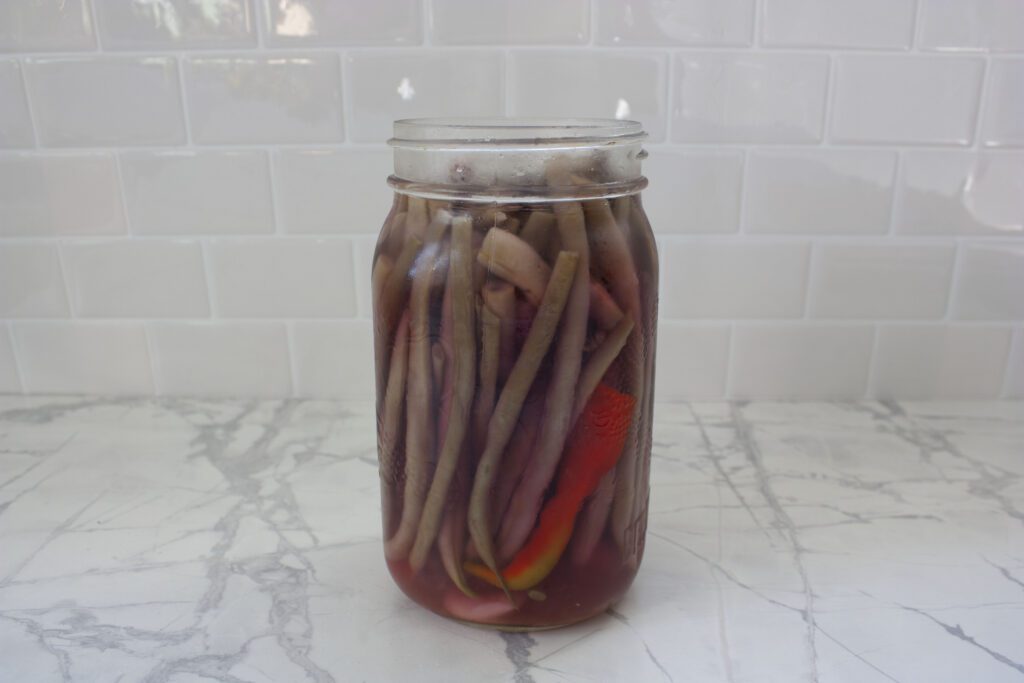
Fresh beans sauteed and put into different meals is a great way to enjoy your bean harvest. Our favourite way to make beans is by pickling them to put on tacos or salads. Pickling means you can enjoy them all year long, once bean season has long since finished.
An inevitable situation will arise where you have more beans than you can eat, and freezing them is simple to do. Prep the beans by cutting off the stems, giving them a quick wash and laying them to dry. To avoid the beans freezing together, first freeze them on a baking sheet where they are separated from one another. Once they are frozen you can pack them into freezer safe, portioned sizes.
Common Pests & Problems for Bush Beans
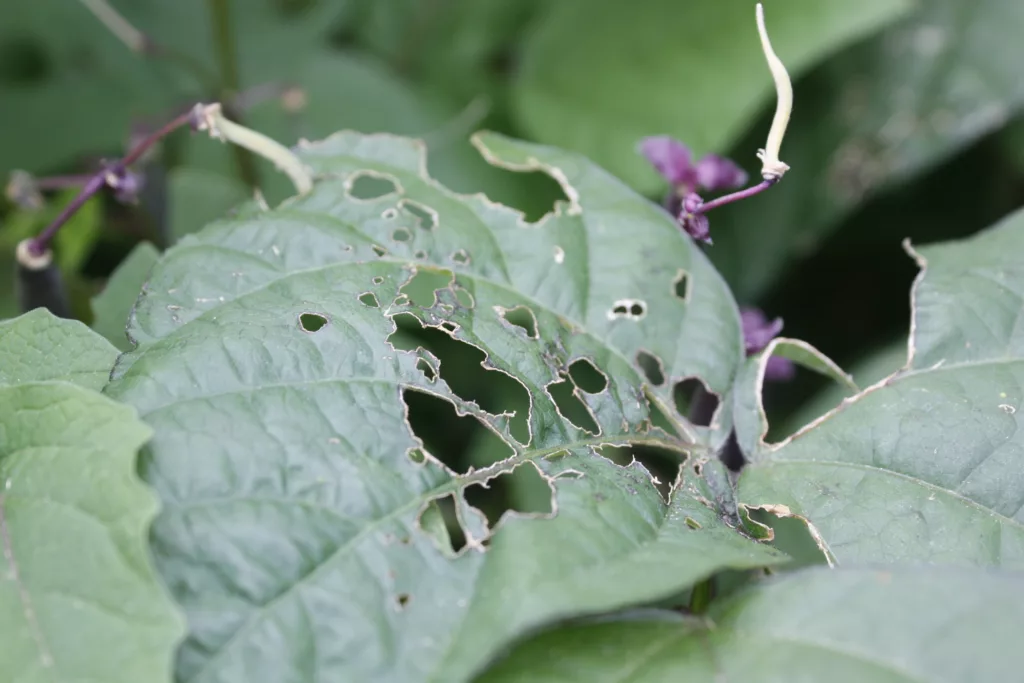
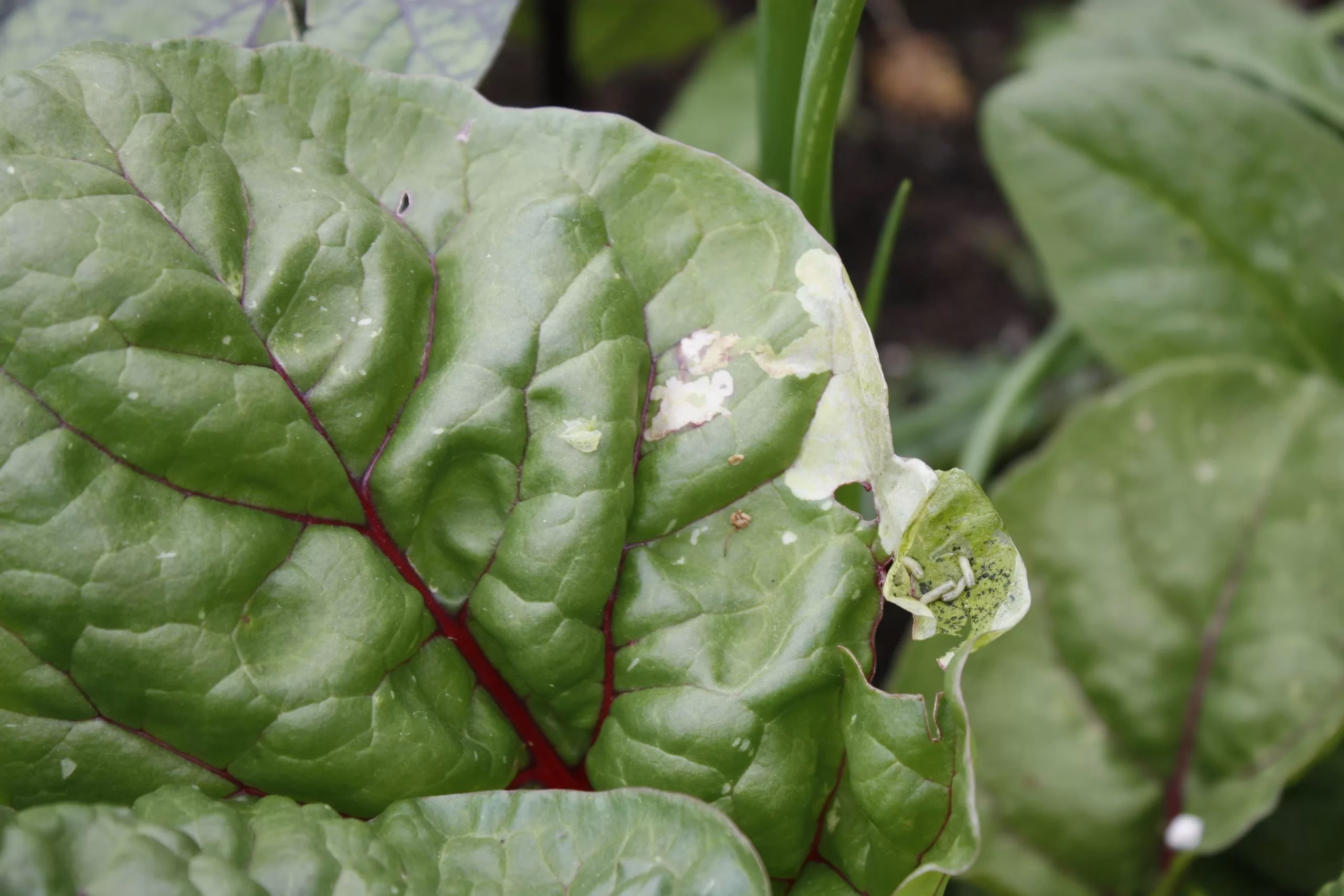
Slugs and small animals are the biggest pest for bean plants when they’re young seedlings. Protect them with cover for the first 2 weeks until they grow large enough to handle the damage. Slugs can be difficult to manage as they come out in the evening and at night to eat. Checking on your plants late at night or early in the morning, especially after rain can help you manage them. If you find any slugs you can pick them off into a cup of soapy water, or create a slug trap to catch them.
In the photo above you can see damage from Japanese beetles which will skeletonize the leaves of the bean plant. If you find any beetles on your plant, knock them into a cup of soapy water. Luckily the above damage isn’t fatal to beans, and the plant will survive and be okay.
In the home garden, there aren’t major fungal or bacterial issues with beans but the best way to avoid any disease is by planting your beans in a sunny spot, watering in the morning to allow the leaves to dry out before nightfall, and pruning the plant to allow for good air circulation around the plants.
Saving Bush Bean Seeds
Saving bean seeds is super simple. Depending on the amount of beans you want to save, leave one or more bean pods on the plant and allow it to grow as large as possible. Once the pod has finished growing, leave it on the plant until the pod turns brown and dries fully.
It’s important to wait until later in the season to save seeds, otherwise it sends signals to the plant that it’s finished growing and the plant will stop producing beans.
Take the beans out of the dried seed pod and store them in a cool, dark place over winter. Next season plant them the same way as mentioned above and you’ll never have to buy bean seeds again!