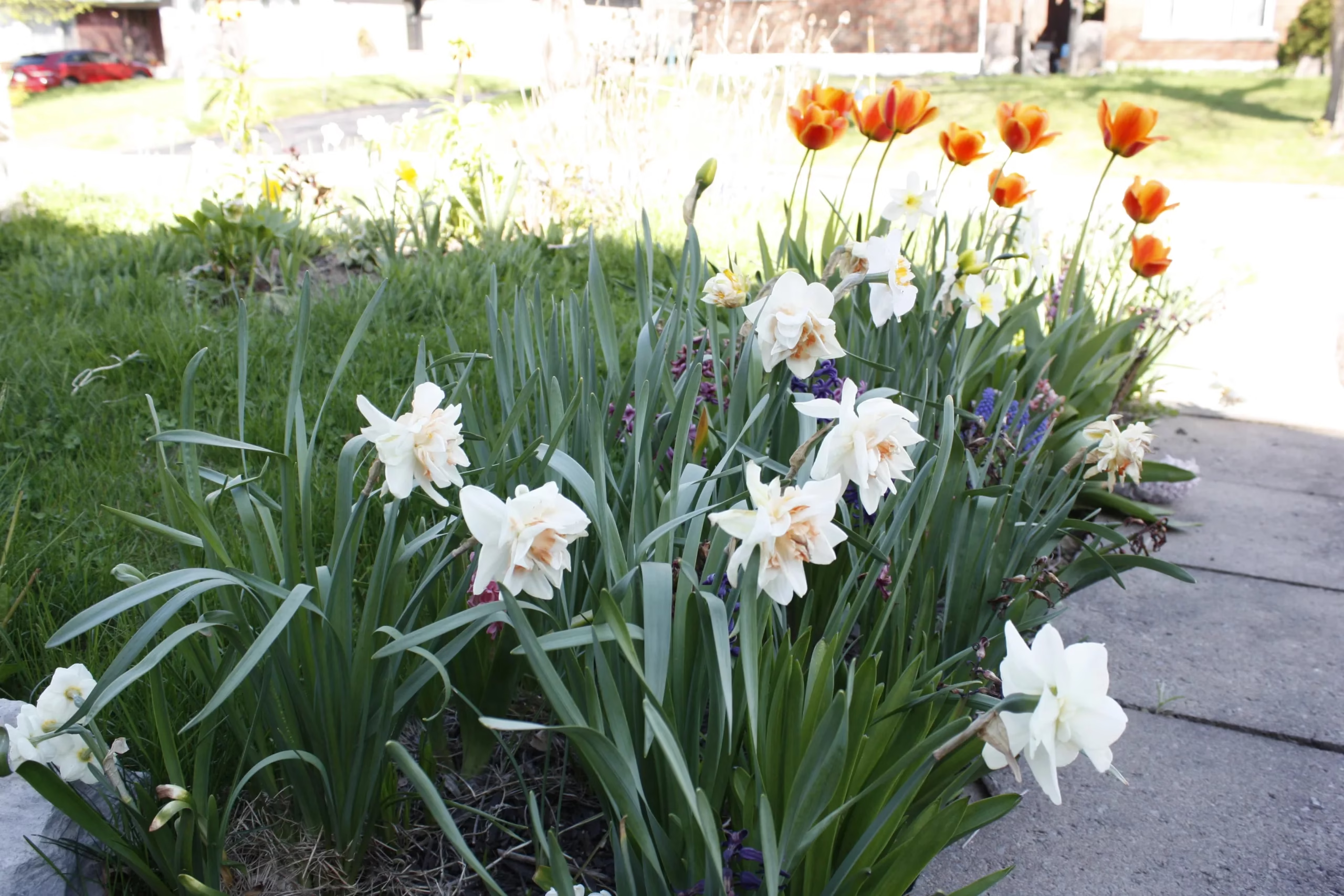
Springtime is loaded with beautiful blooms, from daffodils to tulips, but did you know all of those flowers need to be planted in the fall? Many spring bulbs require a period of cold in order to bloom which is why bulbs need to be planted before winter hits. Those spring tulips and hyacinths that are blooming in the winter at the grocery stores and garden centres won’t continue to bloom for you at home which is why you need to plant them in fall if you want to enjoy those fragrant spring flowers in your home garden.
Which bulbs need to be planted in fall?

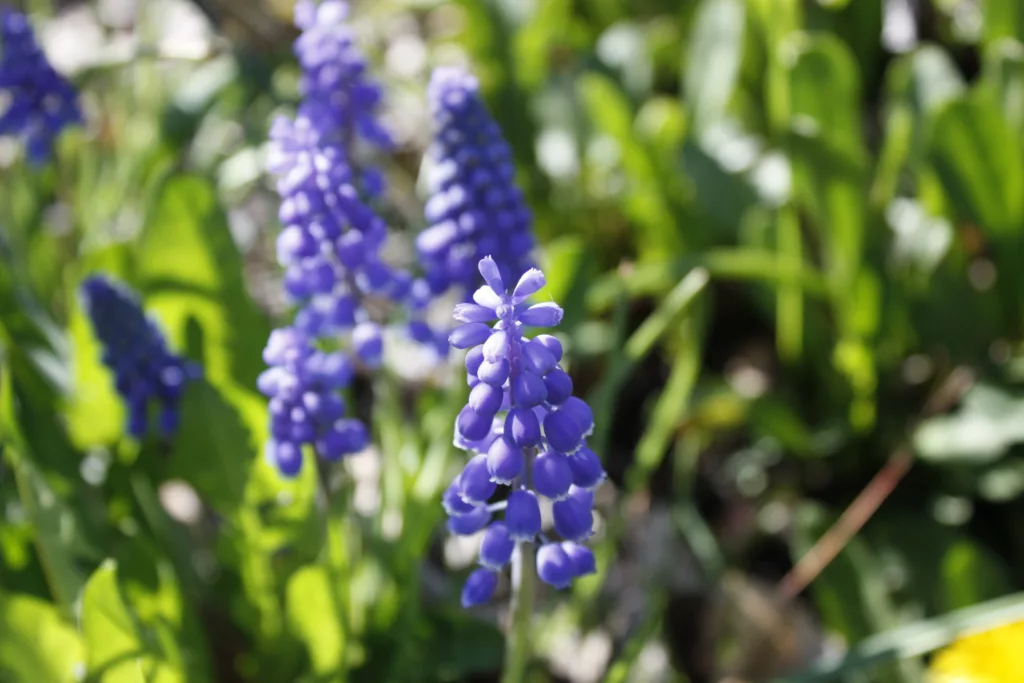
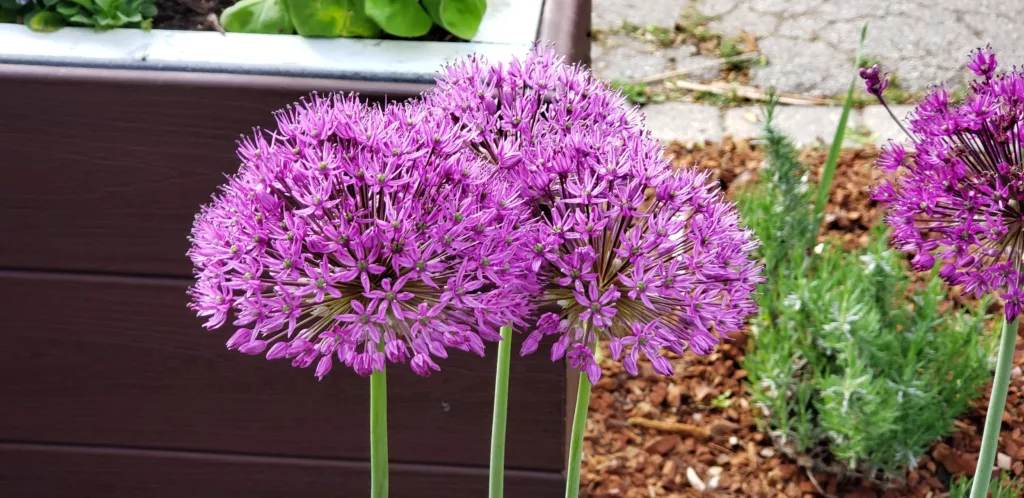
Spring blooming bulbs come in a wide variety of colours, shapes and looks. Bulbs that need to be planted in the fall include tulips, daffodils, crocus, hyacinths, snowdrops, fritillaria, checkered lilies, lilies and alliums, to name a few. One bulb you may see on the market is Lily of the Valley, however this is an invasive in Ontario, and on the watchlist in other provinces in Canada, so we don’t recommend planting this flower.

Where to Buy Spring Bulbs
Spring bulbs become available at your local garden centre or hardware store at the end of summer making them very easy to get. However, if you are looking for unique varieties you can also order them online from some garden retailers. If you’re looking for a very specific flower or colour you may want to purchase them early to avoid them selling out – however if you’re happy with any type of spring bulb you will easily be able to buy them. If you’re open to any variety, and worried about investing the money, you can wait until later in the season for bulbs to be discounted. Just be aware that selection is limited, and you’ll likely be planting in some very cold weather!
Where to Plant Spring Bulbs
Spring bulbs are the first flowers to come up in the new year so we recommend planting them somewhere you can see from your windows, near your patio or by your driveway. This way you can enjoy them from the comfort of your home, or any time you go out to your car, since the weather will still be cool.
Some bulbs like hyacinths are very fragrant, so planting them near your entryway will allow you to enjoy them every time you come and go from your home.
Continue growing your garden knowledge
- I Was Wrong About Crop Rotation – Let Me Explain
- Drowning in Tomatoes? Here are 11 Ways to Use Your Harvest!
- 8 Tips to Build Healthy Soil (When Yours Sucks)
- Drowning in Zucchini? Here are 11 Ways to Use Your Harvest!
- 6 Spring Garden Pests You Should Know
How to Plant Spring Bulbs
Planting bulbs is easy to do. The first thing to note is that bulbs have a top and a bottom. The pointed tip will always be planted up, and usually you can see dry or old root on the bottom to help confirm the direction. When planting, you can choose how close or spread out to plant your bulbs. Generally, the closer together they’re planted, the better they’ll look so you’ll want to take this into consideration. For a more natural look, take a handful of bulbs (you can even mix varieties) and toss them into the garden. Plant them wherever they land.
Some bulbs will naturalize and spread, such as daffodils, so you can plant those a bit further apart if you plan to let them reseed and spread.
When to Plant Spring Bulbs
Spring bulbs should be planted between September-November, depending on your growing zone. The goal is to plant them before the ground freezes, but not while temperatures are above 10-15°C. One of the hardest parts of planting spring bulbs is not freezing your butt off outside while planting them!
Bulb Planting Depth
Each flower has a different size bulb so you’ll want to plant at the right depth for each, which is at a depth around 3x the size of the bulb. Using a tool such as a dibber or a bulb auger helps make the process easier. There’s two things to be mindful of. The first is if you use a bulb auger, make sure you know whre your gas line is buried so you don’t damage it. The second is to be mindful when planting in a space that already has bulbs, because both of those tools can damage existing bulbs if you happen to dig exactly where another one is planted.
Bulb Care Once Planted
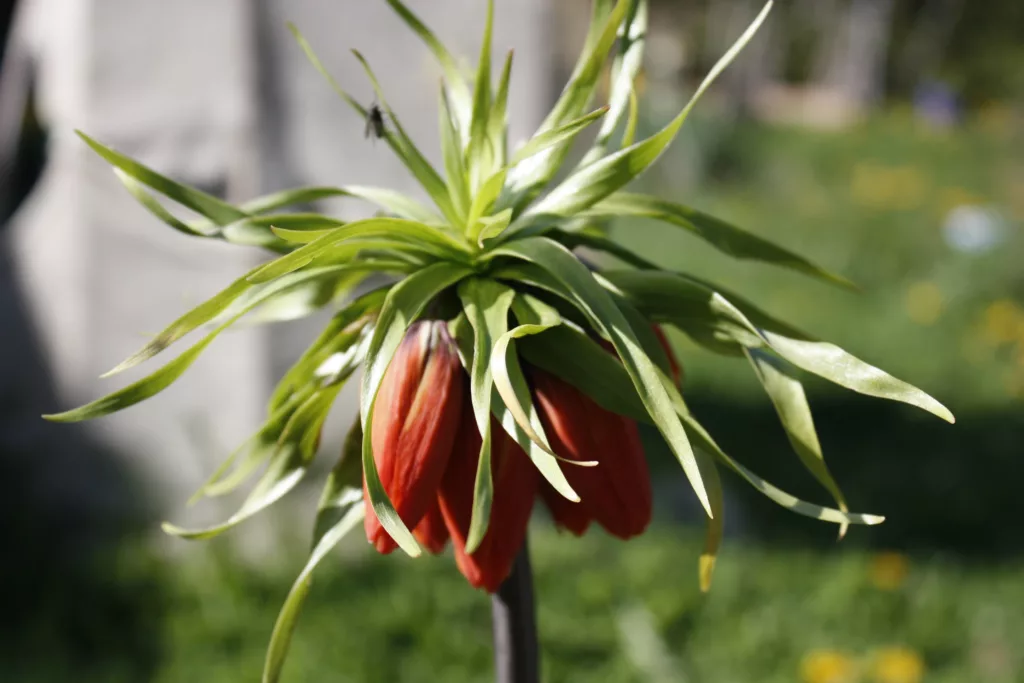
Once your bulbs are planted there’s no care required! Your bulbs will prepare for their winter freeze and will start growing in the spring as the soil warms. If your bulbs start growing in late winter during a warm spell, and cold weather returns, don’t worry. Your bulbs will continue to grow again in the spring when the weather warms.
Planting Bulbs in Pots
It’s possible to plant spring bulbs in pots, however in Canadian winters it’s more complicated to care for them vs planting them in the ground.
If you plant your bulbs in pots and leave them outdoors, you’ll need to ensure the bulbs can handle your zone minus 2 in order to survive. For example, if you live in zone 5, your bulbs will need to be hardy down to zone 3 in order to survive. Additionally, you have to ensure your pot can handle the frozen soil in it without cracking or breaking, as many pots aren’t meant for being outdoors filled with soil all winter.

The alternative is to plant your bulbs in pots and move the pots to your shed or garage over the winter, however these locations are much warmer than the outdoors which means your bulbs are going to begin emerging much earlier than those planted directly in the ground. Not only will the plants begin to emerge early, but they may not flower correctly due to the lack of freezing temperatures they require to bloom.
If you love the idea of spring blooming pots, you may need to experiment with a few pots or over a couple of years to find what works best for your zone and bulbs, but be prepared you may lose some bulbs in the process. If you do plant in pots, when you see the greenery start to emerge, begin to water your pot regularly. Allow the soil to dry out between waterings to avoid the bulbs rotting, but light and water become essential at this point.
Protecting Bulbs from Pests
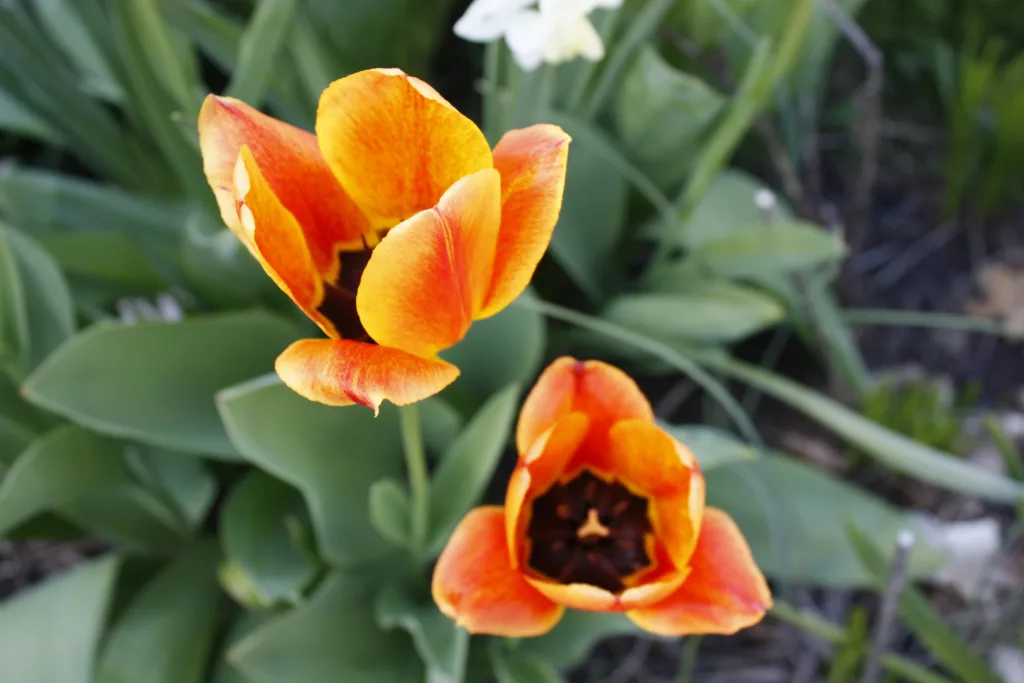
Squirrels LOVE spring bulbs. Specifically, they love tulips. It’s why we choose not to grow very many here in our garden because it’s more pain than it’s worth.
However, there are a few ways you can protect or limit your bulbs from being dug up:
- When planting your bulbs you can cover them in a light layer of wood ash to help cover up any scent the bulb gives off
- You can cover your bulbs with chicken wire to prevent squirrels from digging, but just make sure that the netting is wide enough for the stems of the flowers to emerge through
- Don’t plant your bulbs too shallow, making it more difficult for the animals to find the bulbs
- Cover the area with mulch so that the soil doesn’t look disturbed. Disturbed soil is an indicator for a squirrel to dig as they look for their stored food!
- Keep a bowl of water out near your plants to distract the animals from eating your bulbs, and to drink the water instead
- Plant bulbs that animals are more likely to avoid such as alliums and daffodils
Final Notes on Bulb Care
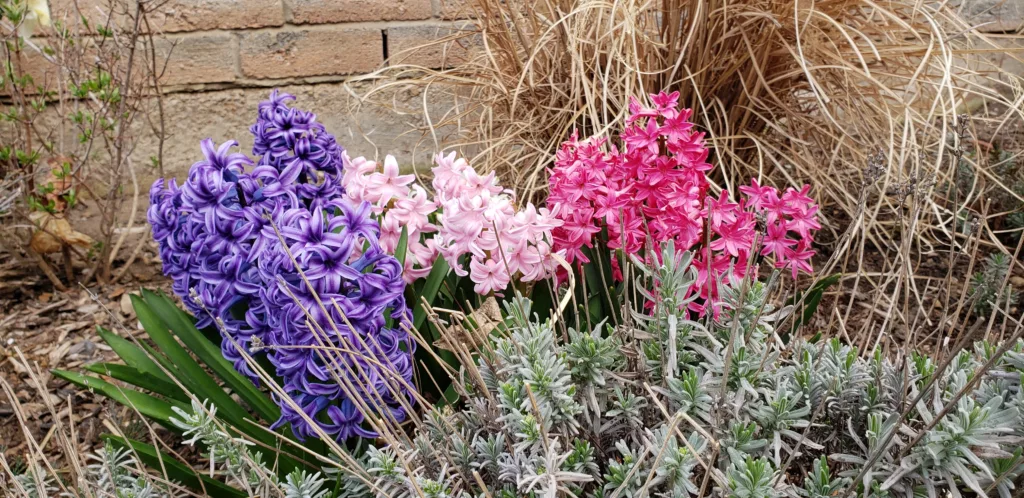
Not all bulbs are perennials and get weaker as the years go on. Tulips and haycinths often will bloom less and less as the years continue while daffodils will naturalize and spread – so it’s important to know what you’re looking for, and be prepared to plant more bulbs each year.
Many spring bulbs make great cut flowers. Tulips and daffodils are beautiful vase flowers. If you want to have fresh cut flowers in the spring, consider planting these two. Note that daffodils release a toxin into the water when they are cut so keep them in a separate vase for the first few hours before you mix them in with any other flower (and change out the water). If you do cut your flowers, it will take energy away from the bulb for next year – so cut from bulbs that aren’t as prominent in the garden, or plan to plant more.
Some plants will naturalize, such as grape hyacinths and daffodils. If you leave the flowers to set seed they will drop and spread out. If you don’t want this to happen, deadhead the flowers once the bloom as died. Otherwise, as your flowers spread you can dig them up and move them around the garden to new places or gift them to friends.
Finally, when the flowers die and the greenery starts to fade, don’t cut the leaves back. It’s an ugly sight, but those leaves are feeding the bulb energy as they die back. It’s important to leave the leaves for strong blooms next spring.