
If you’re new to gardening, or new to growing from seed, you’ll notice that there’s dozens of seed brands to choose from. Staring at the seed aisle, you might wonder, does the seed brand make a difference? Well, we’re here to help you answer that question. In this article we’re going to break down the differences and give you some useful tips about seeds to help you understand which varieties or brands might be best for you.
Seed Germination Rate
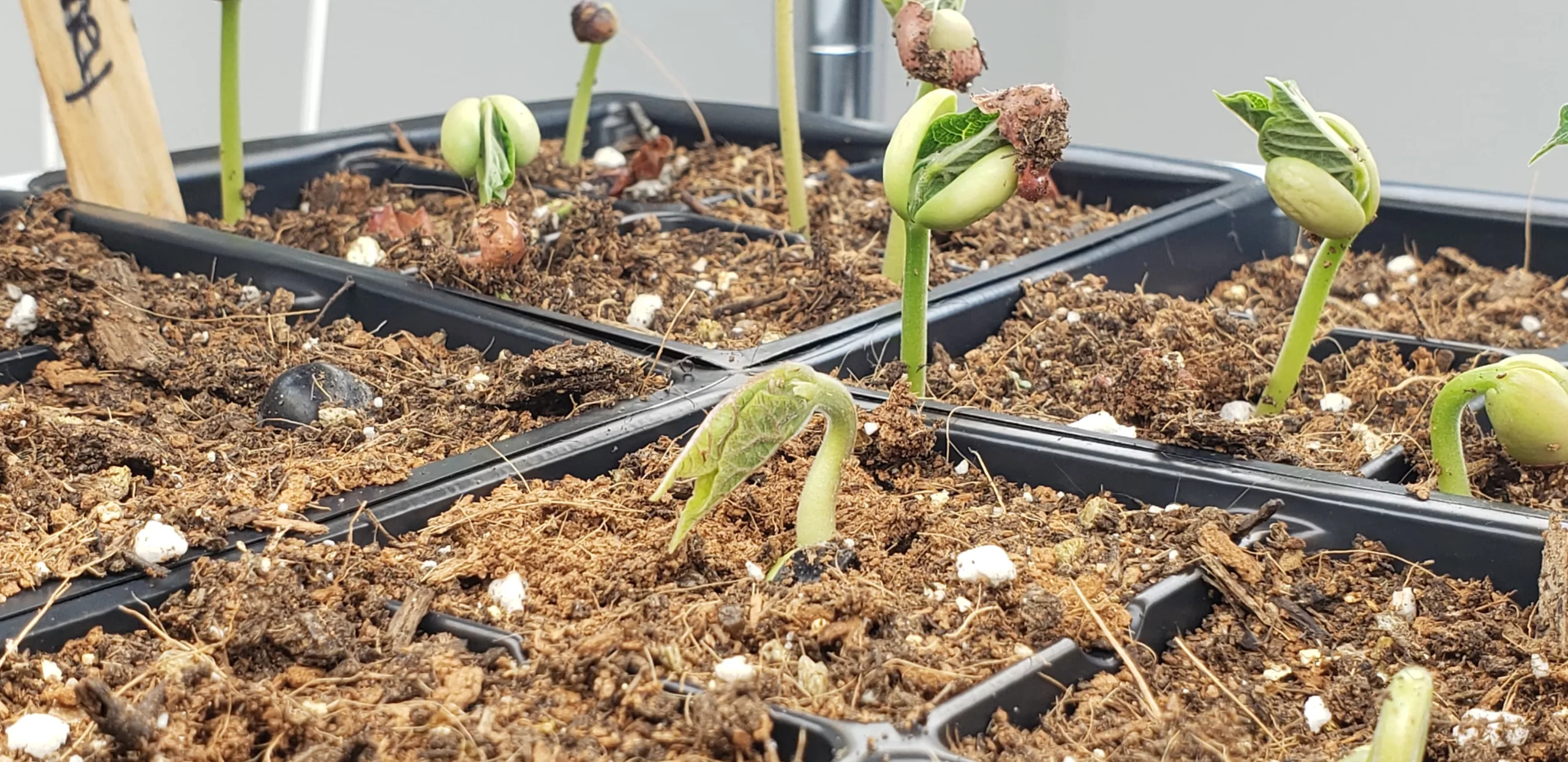
Germination rate is one of the most important factors when purchasing seeds. This is the percent of seeds in the packet that will go from seed to plant. Higher quality seeds will have a better germination rate, which means more plants for your garden. Most companies will label the germination rate on their seed packets, and if they don’t, we recommend finding another seed company to choose from.
Seed companies are not equal when it comes to germination rate, and we’ve found some brands have terrible germination rates compared to others. Germination rate matters because you may think that a certain plant is hard (if not impossible) to grow from seed but it could just be the seed quality from the company that you bought from. Plus, you want the most amount of seeds to turn into plants to get the most out of your money.
Seed Quantity
Seed quantity varies across different companies, but even within the varieties. You’ll want to pay attention to the seed quantity because growing from seed is meant to be the more economical choice. If a seed is a new hybrid or a sought-after variety you might get less seeds in comparison to a more common variety. Some brands might charge a premium and offer less seeds than a more affordable brand. While, smaller seed companies will often offer less quantity because they aren’t an industrial operation. For example, we’ve seen cucumber seed packets that come with 35 seeds in them for $4, while we’ve seen other cucumber packets have 10 seeds for $5.
Seed quantity may not matter to you if you’re looking for a unique variety or want to support a local farmer, but if you’re hoping to get the best bang for your buck, the dollar store or more common varieties are going to be your best choice.
Seed Source
Although a seed company can be owned in Canada or the US, it doesn’t mean that the seeds are from these countries. Many large seed companies source their seeds from out of country or overseas and this means that these seeds have never been grown in your climate. If you choose seeds from larger companies, or the dollar store, it’s more likely that the seeds have been imported in. Another clue on whether the seed company grows their own seeds or not is if they’re called a seed packaging company. Although imported seeds aren’t a major issue, they haven’t been grown in your exact climate which can affect their success rate.
Smaller, local companies often are seed farmers themselves which means that the seeds you purchase were grown and saved from your own climate. If you want a better chance of success, grow varieties that are already accustomed to your climate. Look for local seed farmers who grow their own plants, or at leas a seed company that grows in your country.
Organic vs Conventional Seeds

Seeds are just like food at the grocery store, you can choose to buy organic seeds or you can buy conventional seeds. What you can’t buy (at the moment) is GMO seeds, which is a good thing. Seeds from discount or dollar stores are far more likely to be grown in a conventional manner, although you might find some organic choices there. It’s hard to find a wide selection of organic seeds at big box stores or greenhouses as well, with most being conventionally grown. Because it’s difficult to find organic or untreated seeds, they can come with a higher price tag.
However, organic or untreated seeds means that the plants, pollinators and farmers were protected from harmful chemicals during the growing process. Conventional seeds can be grown using pesticides, herbicides and fungicides that harm insects and the planet. If choosing organic or untreated seeds is important to you, we’ve compiled a list of organic seed companies in Canada that you won’t want to miss!
Seed Company Background
This is going to sound obvious but seed companies are owned by real people. People who have specific beliefs and values. And the best control we have as a consumer is where we spend our dollar. Depending on if you’re a conscious consumer, you may want to look into the history or background of seed suppliers. In recent years it’s come to light that some seed suppliers have stolen seeds from Indigenous groups, or acquired their seeds in other ethically questionable ways. As well, in the current political arena, you may be looking to support companies that align with your values. Whether that’s supporting seed diversity, growing organic seeds, or even aligning with how you vote politically, this can be a determining factor. One of the best ways to use your voice is to spend your dollars in a conscious way. Buying power should never be undervalued and choosing to buy your seeds from a company that aligns with your values sends a message to other growers that this is important to you.
If this is something that matters to you, consider looking for local seed growers in your area and skip the big box stores.
Seed Cost
There’s actually quite a wide range in pricing for seeds. The cost can be affected by the size of the seed farmers company, whether the seeds are organic or conventionally grown, and in the case of dollar store seeds, it could come down to the quantity of seeds in the package or their age. Often hybrid seeds cost more because they are manually created, while popular or rare varieties are also more expensive. I would never recommend choosing a company purely based on cost because there’s so many factors that come into play. If you have a local farmer that grows seeds in your area, they may be more expensive, but it’s important to support local farmers because they support our local food system. When we stop supporting farmers and have to rely on imports, our food can be at risk.
If cost is a factor for you, I recommend checking out our guide on How to Garden for (Almost) Free where we list out multiple ways that you can get access to seeds at no (or low) cost. It’s possible to learn to grow from seed without spending a big budget and it’s a great way to practice the skill without feeling like you’re spending a ton of money!
Seed Age
When choosing seeds it’s important to look for the date of packaging. Unfortunately though, not all companies do this. Seed packages should label when the seeds were harvested or packed because seeds don’t last forever, and if they aren’t stored properly, don’t last long. Often the packaging date on a seed packet is beside the germination rate. The packaging date should be for the year that the seed is for sale. If the seeds don’t have a package date or a germination rate, I would be wary about buying the seeds. Some seed sellers hold onto packets for multiple years, which means that the germination rate will decline. For example, onion seeds are at peak germination in the year they are harvested, and after a year the germination rate can drop by half! Imagine planting 10 seeds and only 5 coming up.
The seed age could be a determining factor of which seeds get packaged and sent to discount or dollar stores. If you plan to use all of the seeds within the season, or you’re okay with purchasing more seeds next year, this could be an option for you. However, if you want maximum germination rate and want to buy one packet to last you years, you may want to consider other options.
Final Thoughts & Recommendations
Everyone is different and has different concerns when it comes to purchasing products. For us here, what’s most important is if the farm is growing sustainably (think organic), that they’re local to our area, and that the germination rate/quality of the seeds is fresh and good.
If you’re not sure what companies exist, or who is local to your area, check out your local plant nursery and see which seed companies are on the shelves. Some packages on the shelf will be from large companies, but they often have space for small, local growers too. Skip the big box stores in this scenario since they generally only carry large brands.
If you’re new to gardening or price is a factor, definitely check out your local dollar store. That’s where we started too – with more affordable seeds. But I do caution you that if the seeds don’t grow – try another company before you think that it’s a ‘you problem’. It can very likely be a seed problem! You can also reach out to us and we’d be happy to help coach you through it.
When it comes to choosing the right seeds for you, we recommend putting the criteria above in a list of most to least important to you. Perhaps cost is the most important factor in decision making for you, or the companies ethics may be your deciding factor. It’s a personal choice for you, but just remember that choosing quality seeds is going to directly impact your success when it comes to growing from seed.