Have you been thinking about starting a garden but don’t know where to start? Maybe you have a black thumb and kill everything you touch, or you just feel overwhelmed. Well there’s good news! In this article we’re going to break down how to successfully start a garden in 6 simple steps to help you plan for a garden that not only works for you, but will give you the best chance to successfully grow and harvest your food.
Step 1: Make a Budget
This is often not talked about or is regularly overlooked and that is the need to make a budget. It’s easy to get caught up in buying all of the beautiful plants, seeds or even equipment (like metal raised beds) but the truth is you really should be building a budget. Especially as a new gardener who isn’t sure if you’ll love the hobby or have the time to do it every year. The last thing you want to do is spend $1,000 to grow $10 worth of food and then give up the hobby.
When building your budget you’ll want to think about how you want to grow (in the ground, in containers, in raised beds) and look at how much it costs to build that type of garden. You’ll also want to take an inventory of what equipment you already own (such as a rake, wheelbarrow, shovel, hose etc) to know what you’ll need to buy. Once you have your budget in place you can play around with what you want to grow or get a better idea if the hobby is right for you. If you find that your budget comes out too high, check out our free e-book on How to Garden for (Almost) Free for tips to lower your costs!
Step 2: Choose How You Want to Grow

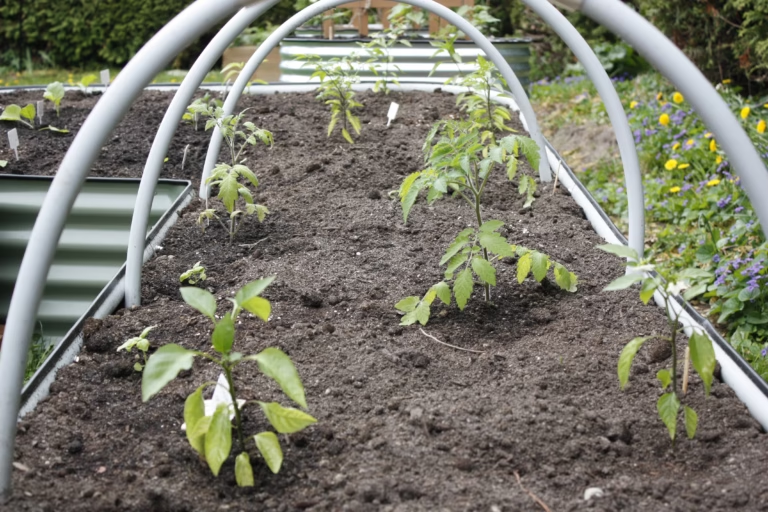
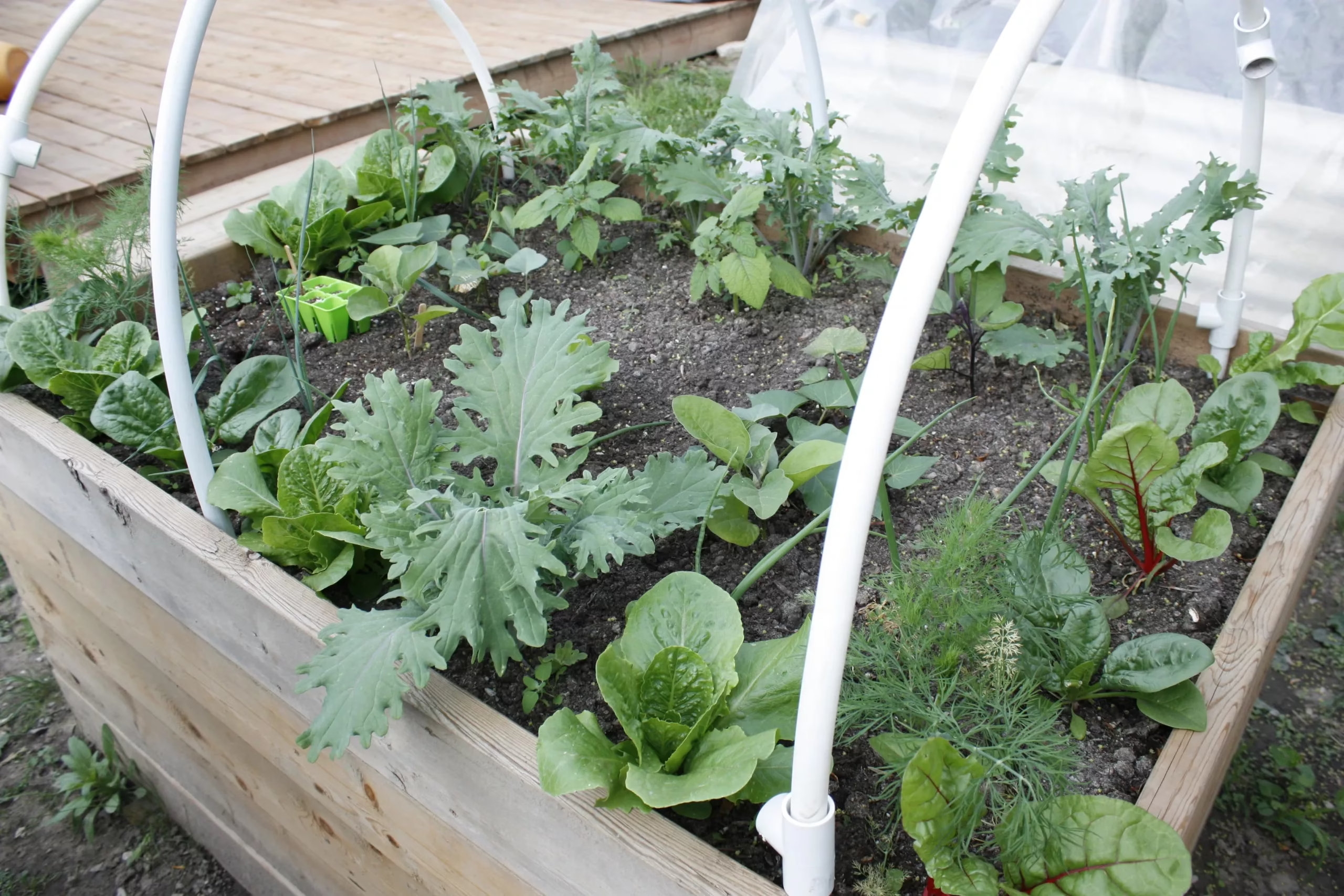
There are multiple different ways you can grow a garden, whether it’s directly in the ground, entirely in containers, or in raised beds. Or you can grow in a combination of these three options! How you want to grow will depend on your circumstances. If you live in a home that only has a balcony or a small, paved backyard then you’ll need to garden in containers. If you live on acreage and want to start growing your own food, you might choose to grow in the ground. Or perhaps you intend to rent an allotment that is set up either in the ground or in raised beds.
There are benefits to growing a garden using any of the three methods so it just depends on what works best for you, your abilities and your living situation. Once you choose how you want to grow you can fit this into your budget from step 1 to see if it aligns with how much you’re looking to invest.
Step 3: Determine The Best Location
There are three factors that will help you determine the best location for your garden. The first is, which part of your outdoor area gets the most sun. Sun is a requirement for plants to grow. If your area is shaded the entire day then you’ll need to look into renting an allotment or garden plot. Next is, where is your water source. Do you have an exterior tap or do you have to water using an indoor tap. Based on how you plan to water your garden, you’ll want to ensure that you have easy access to water. The final factor is access: how easy or difficult is it to get to your garden from your home? Placing a garden far from your door might make you less likely to visit it. If your rental plot is far from home you might not want to drive to it. The best location for your garden will be the place where all of these factors converge. Sun is and always will be the most important factor though, so before you choose to be closer to your patio door or water access, the sunniest location takes priority.
Step 4: Get Familiar with Your Growing Zone
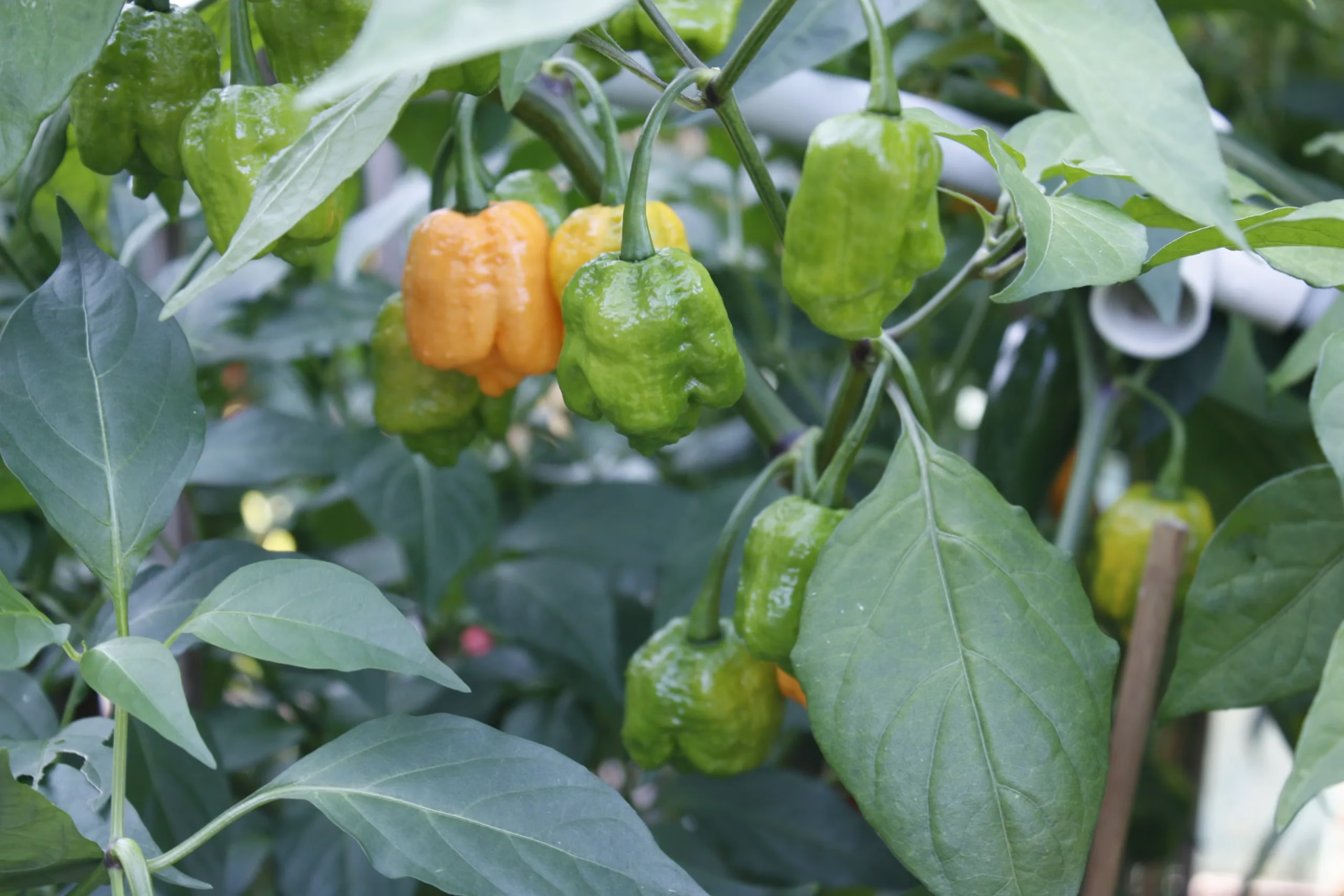
There are two numbers that you need to know when you plan to garden – the first is your growing zone and the second is your number of frost free growing days. Growing zones are particularly important when you plan to grow perennial plants such as shrubs, trees (nut, fruit or any other tree) or ornamental flowers. Growing zones are different in every country, so it’s important to find the growing zone specific to you. Here in Canada our growing zones use similar numbering to the US, however a zone 6 in Canada is not the same as a zone 6 in the US. It’s simple to find your growing zone, all you need to do is an internet search of ‘your city + growing zone’. Use this information for when you head to a greenhouse to look for perennial plants for your garden. This number is not relevant to annual flowers or vegetables though.
Annual flowers and vegetables are far more concerned with your number of frost free growing days. To find this, again you can search this on the internet based on your city. If you can’t find the exact number of days you’ll need to calculate it. To do this you’ll take the date of your first frost date, and your last frost date and find how many days exist between the two. This number will tell you which plants can grow in your area and produce food successfully before they are killed by frost.
Continue growing your garden knowledge
- I Was Wrong About Crop Rotation – Let Me Explain
- Drowning in Tomatoes? Here are 11 Ways to Use Your Harvest!
- 8 Tips to Build Healthy Soil (When Yours Sucks)
- Drowning in Zucchini? Here are 11 Ways to Use Your Harvest!
- 6 Spring Garden Pests You Should Know
Step 5: Determine What You Want to Grow
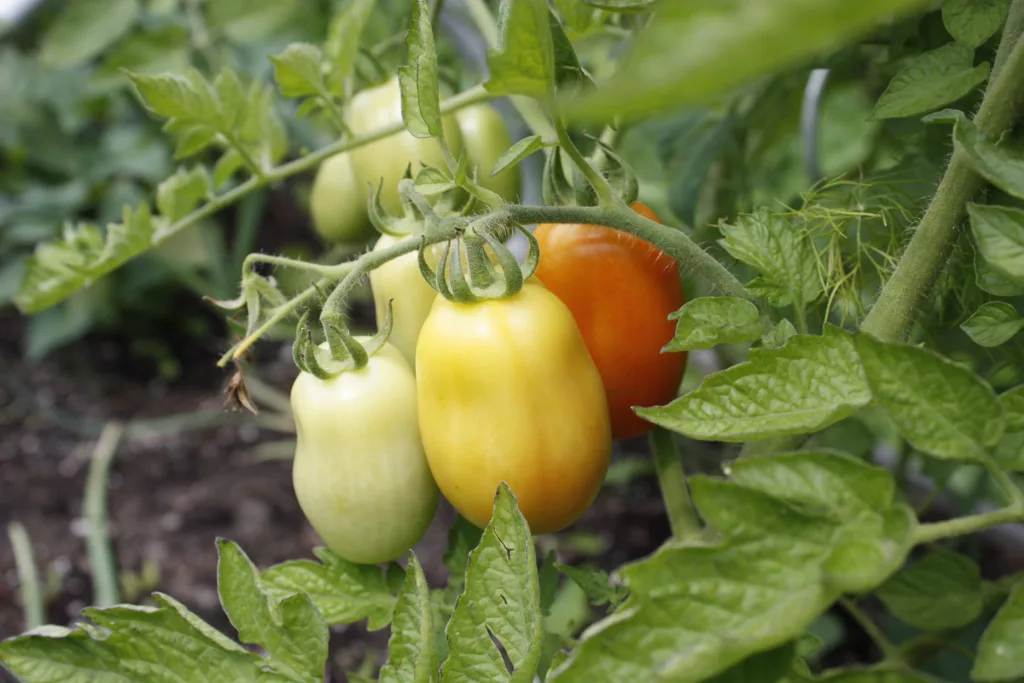
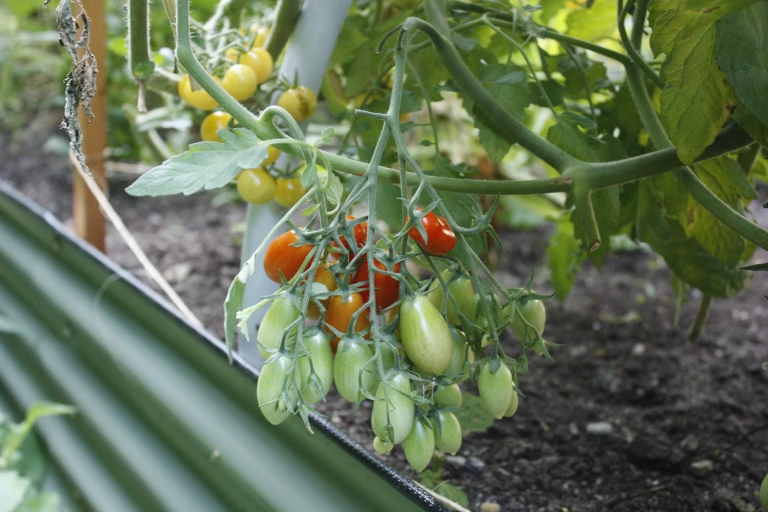
Now we’ve arrived at the fun part! This is planning what you want to grow. There are some plants that are easier to grow than others but it’s always fun to try whatever you want in the beginning because it’s a great time to learn. Some of the easiest plants to grow include tomatoes, beans, and leafy greens like lettuce and kale. Make a list of the plants that you want to grow, either because you like their look, you want to replace some of your groceries or you want to experiment with something you can’t find at the grocery store. This list will help you plan your garden.
Step 6: Choose Between Seeds or Seedlings

This is a common question for gardeners – do I start from seed or buy seedlings? The answer is, it depends! Growing from seed can be the more affordable option, but it also requires some extra skill and equipment. There are some seeds that do best being planted directly in the garden so those ones I always recommend growing from seed and not buying plants. This includes beets, carrots, lettuce and beans, to name a few. If you plan to start a small garden that will only fit a dozen plants, then buying seedlings is a great option. It won’t cost much and it’s a lot easier as a new gardener. Plants like peppers, onions, celery and eggplant take a long time to grow from seed so choosing to buy those will save you time, energy and a potential headache!