If you’re looking for ways to be more sustainable or eco-friendly in your gardening hobby, then organic seeds are a great way to go. If you’re unsure if organic is better, or worth your time, this article will help you decide if they are right for you. Although it may feel like a small decision, it makes a big impact on the environment and farmers around us.
What’s the Difference? Organic, Untreated, Heirloom, GMO, Non-GMO
There are so many different types of seeds on the market that it can get confusing on what you should be buying, or if there is a “right” or “wrong” seed to buy.
Let’s quickly start with GMO since this is quick to discuss. GMO stands for Genetically Modified Seeds and as a consumer or public gardener, you can’t buy these seeds. Any company that markets their seeds as non-GMO, this is a given since they can’t be GMO anyway. GMO seeds are sold to farmers because they’ve been genetically modified to withstand droughts or certain pest pressures. Or, most commonly, can handle being sprayed with glyphosate so that farmers can spray their entire fields and have the weeds (and all living insects) die while the plants remain unharmed. GMO seeds are patented which means you can’t save seeds from them and they belong to the company that produced them, which is why consumers can’t buy them. If you have ever heard of stories of farmers committing suicide, it’s (in part) because they are in major debt with these seed suppliers and can’t find a way out.
In terms of heirloom, untreated, organic, open-pollinated, hybrid or conventional here are some quick definitions:
- Heirloom seeds are seeds that have been grown for generations and have a known, documented history of where they came from
- Untreated seeds are seeds that haven’t been treated with any chemicals like fungicides or pesticides
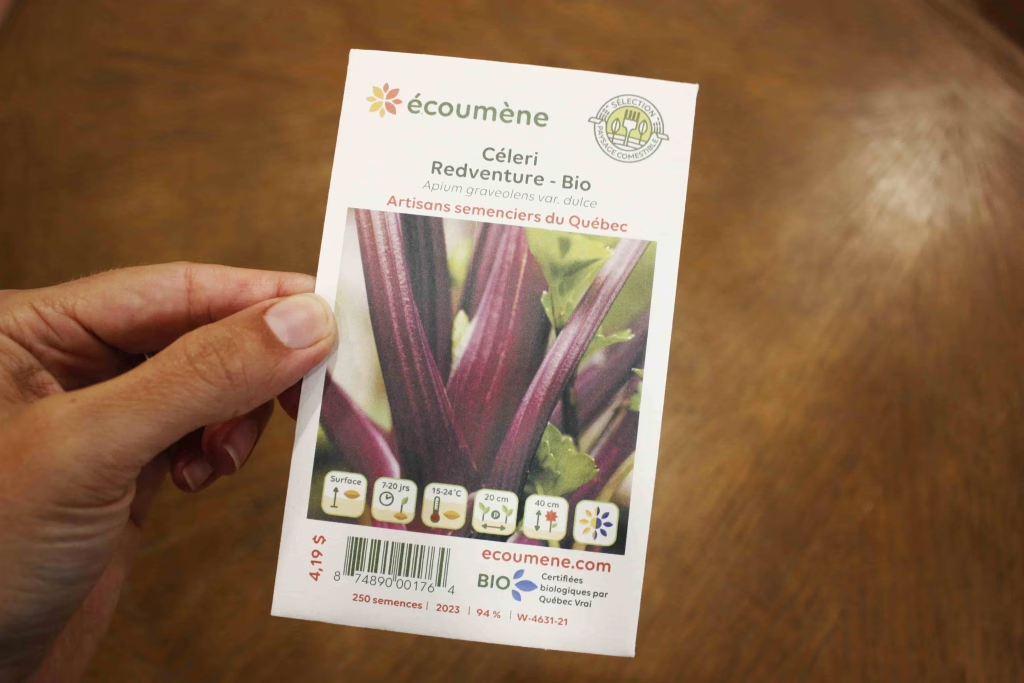
- Organic seeds are untreated seeds, however to be labelled organic on the package requires the farm to be certified organic which is a way to ensure compliance
- Open-pollinated are seeds that are pollinated by insects and other pollinators in order to be more natural and available for seed saving
- Hybrid seeds are seeds that have been purposely bred together to take the best features from two plants into one. You can’t save seeds from these as they are unstable.
- Conventional seeds are seeds that were grown using pesticides or herbicides before they went to seed, or where the seed has been treated with fungicides or other chemicals in order for their shelf life to be longer
If you’ve been toying with the idea on whether organic/untreated seeds are better than conventional, here are 3 reasons why you should choose organic or untreated every time. And if you decide that it’s the right choice for you, here are 35 Canadian seed growers that offer organic or untreated seeds for your garden.
Reason 1: Better on the Environment
If you’ve been trying to make your garden more eco-friendly or sustainable, organic or untreated seeds are the right way to go. Conventional seeds are treated with fungicides, pesticides or herbicides either when the plant is being grown before it turns to seed, or in the seed stage.
99% of synthetic chemicals (including pesticides) are actually created by fossil fuels, which are well documented as a leading cause of climate heating greenhouse gas emissions. The emissions that are produced from just the production of pesticides, insecticides and fungicides equal the same as millions of cars on the road each year. Not only that, but microplastics have started to be added to these chemicals to help coat the plants more thoroughly, and for longer periods of time. This is a major reason why choosing organic or untreated seeds can help the environment.
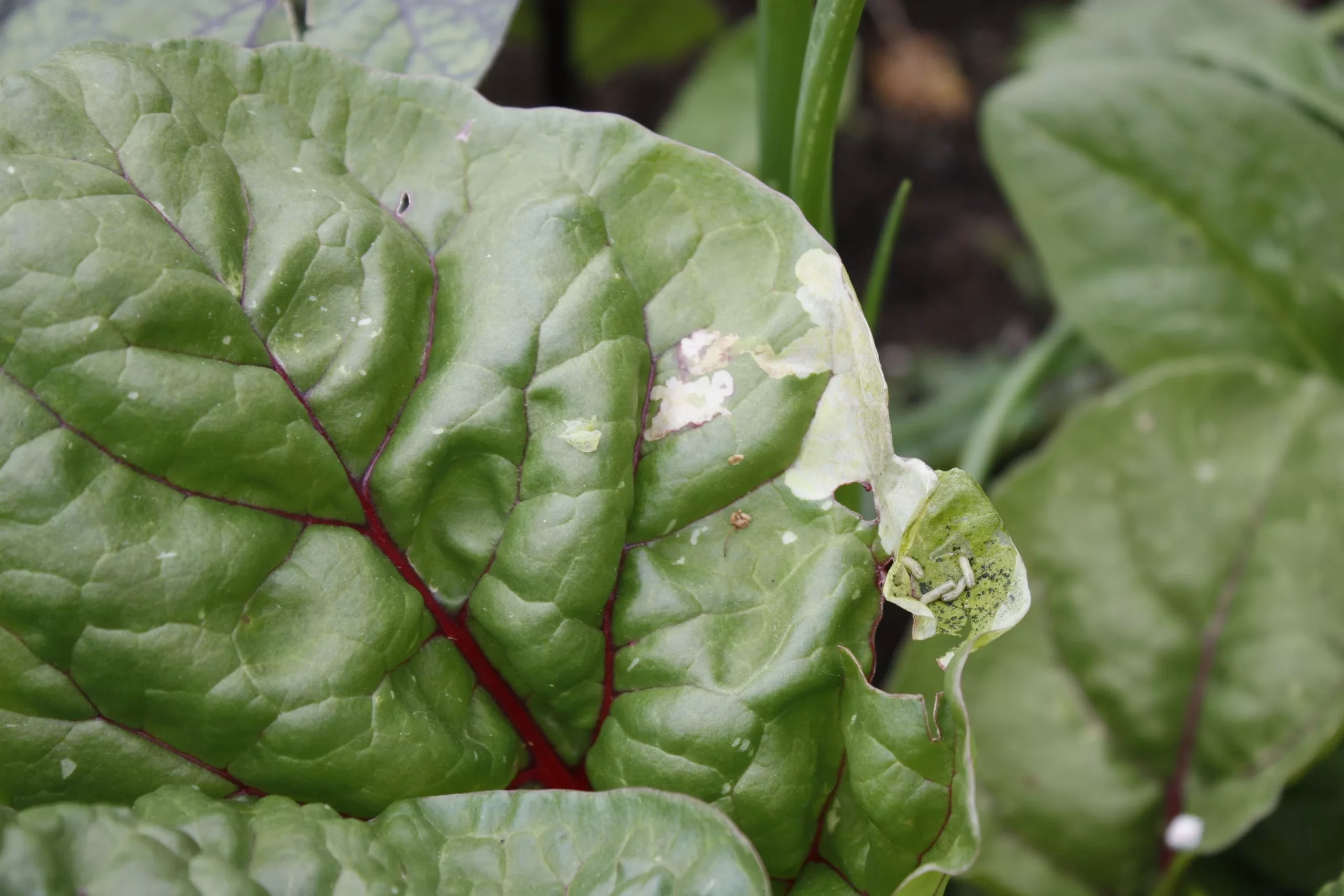
Beyond the GHG emissions, chemicals are harmful on the insects and animals that come in contact with them, and also kill the biodiversity in soil. Farmers will spray plants to keep pests and weeds down, however they are generally non-discriminant which means that bees and butterflies can die from these pesticides. Also, if an insect like a caterpillar has been contaminated it can poison birds or other animals up the food chain.
By choosing organic, it means that the pollinators, animals and the soil are all protected and kept healthy for future years, all while helping to reduce the reliance on oil and gas and reducing greenhouse gas emissions.
Reason 2: Better on the Farmers Health

Chemicals are dangerous, not only for the planets health, but also for the farmers and their workers. Pesticides and other chemicals have been known to burn the skin of their applicator, and handling recently treated plants can also harm farmers and their farmhands. Additionally, breathing problems are also tied to chemical use. Not all farm employees are given proper PPE or training and it’s difficult to determine if the seed company you are buying from has workers getting the proper training or not (especially if they source their seeds from out of country).
Finally, pesticides and other chemicals are picked up by the wind and spread to places outside of the farm. These chemicals can poison meadows, forests, waterways and even home gardens if you live close enough to a farm. Choosing organic or untreated is an active decision by you to ensure that farm workers are allowed safe places to work, away from harmful chemicals.
Reason 3: Conventional Seeds May Perform Worse

Since conventional seeds were grown using conventional methods, the plants might only perform their best when treated in a conventional way, while most home gardeners grow organically. Although this isn’t a guarantee, and you wouldn’t know if that was the reason for it, it is a possibility. If you’re an organic home grower, it just makes sense to grow organic seeds in an organic matter.
Continue growing your garden knowledge
- 5 Tips to Know When to Harvest Any Vegetable
- I Was Wrong About Crop Rotation – Let Me Explain
- Drowning in Tomatoes? Here are 11 Ways to Use Your Harvest!
- 8 Tips to Build Healthy Soil (When Yours Sucks)
- Drowning in Zucchini? Here are 11 Ways to Use Your Harvest!
Potential Issues with Organic Seeds
Conventional seeds may be treated with a fungicide or other chemicals to stop them from moulding or going bad during storage. Since organic or untreated seeds are, well, untreated, then there’s a chance they could mould or go bad before growing them. This means that the germination rate could potentially be lower than conventional seeds. However, seed packets often give more seeds in them than a home grower can fit in their garden so there’s room for lower germination.