
The world is an odd place right now. Between the climate and politics, there isn’t much stability. Which is why I wanted to talk about the steps and skills that you should learn in your garden to sustain you in the event that something happens to our food chain supply. So the first thing I want to mention is that if you grow in a small urban garden, you won’t be able to grow enough food to survive without outside inputs, but this is more about how you can survive, rather than thrive.
Especially for us living in cold climates, we can’t garden year round, but we can grow foods that can be stored over the winter months. What I want to accomplish in this article is having you think about the food you grow, the skills you have and if your garden is set up to help feed you in the ways you need in the event of a food supply collapse.
And it isn’t just about a food supply chain collapsing, but also if you lose your job, or come into financial issues where food becomes a struggle to afford, knowing these skills will help you get through the rough times and keep you as healthy as possible. Regardless of what the future holds, these tips will help make you a more well rounded gardener, filled with tips that many homesteaders do.
Step 1: Know which foods grow the fastest

This blog is reader supported. Some of the links in this article are affiliates which earn us a small commission, at no additional cost to you.
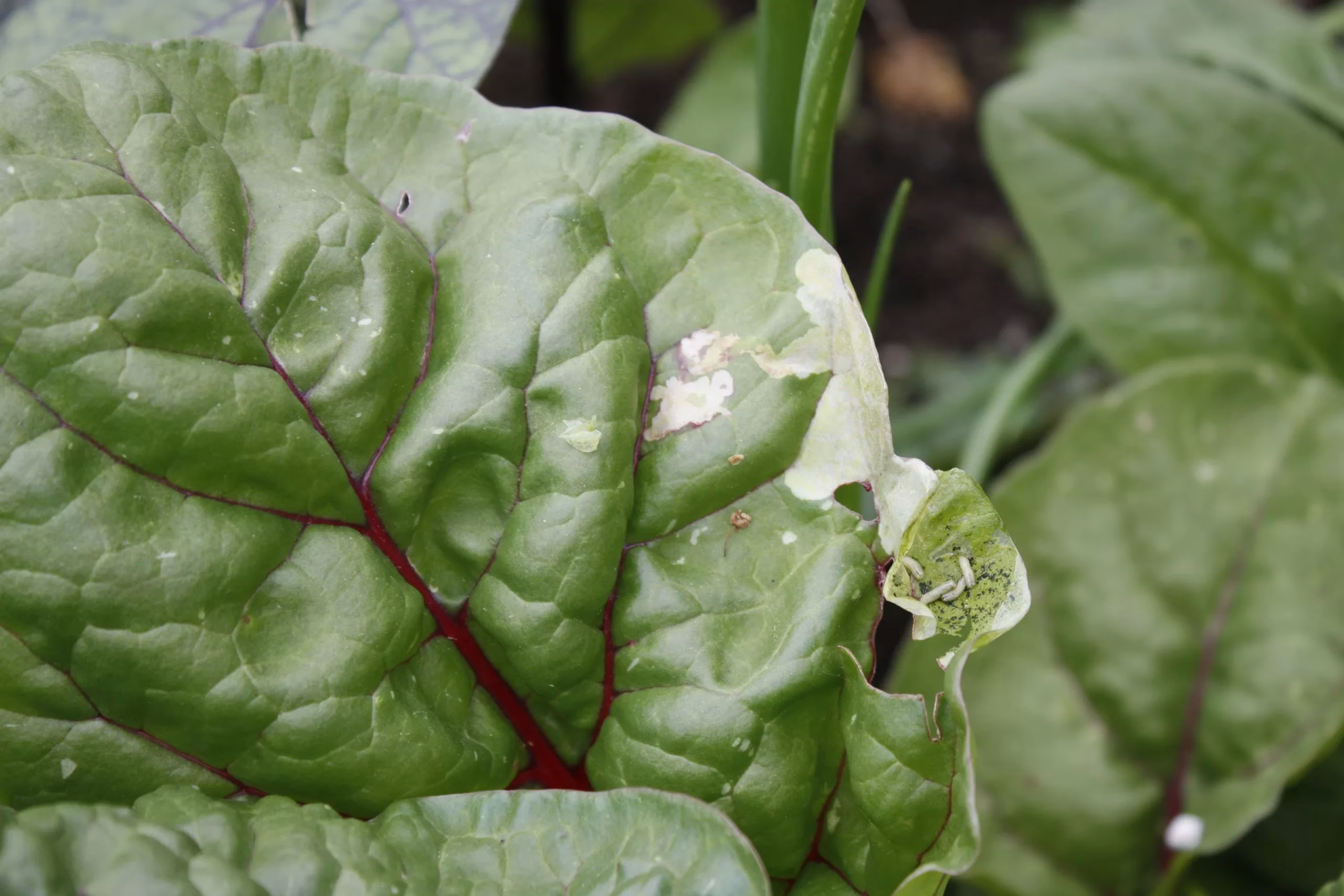
If there is ever an issue with the food supply, you’re going to need food fast. And the easiest way to remember which foods grow the quickest is to think of a salad! The base ingredients of a salad are the quickest to grow – so we’re talking about lettuce, spinach, kale, radish, and turnips. All of these plants can be harvested within just a few weeks of planting the seeds.
Now, although these foods are filled with nutrients, they aren’t super calorie rich so it’s important to do two things. The first is to plant the next round of food as you plant the greens. This could be beans, corn or tomatoes. The following steps will help you decide what to prioritize planting. The second thing to do is to sow more quick growing greens to keep the supply of food coming.
Step 2: Focus on planting foods that are calorie dense

These foods are going to give you the most bang for your buck and keep you full. Calorie dense garden vegetables include: edamame, parsnips, sweet potatoes, white potatoes, broad beans and other pulses like lentils, chickpeas or kidney beans. Growing calorie dense foods means you can keep up with your daily calories as best as possible until you can get access to more food.
Step 3: Focus on nutrient dense foods

So you’ve grown quick foods, and planted high calorie foods, but it’s important to make sure that you’re getting all the nutrients your body needs to function. An easy way to know if food is high in nutrients is if they are colourful. So that’s your rainbow carrots, rainbow chard, or even purple tomatoes! You can mix the high calories with the high nutrients by growing sweet potatoes which are both high in calories and in nutrients.
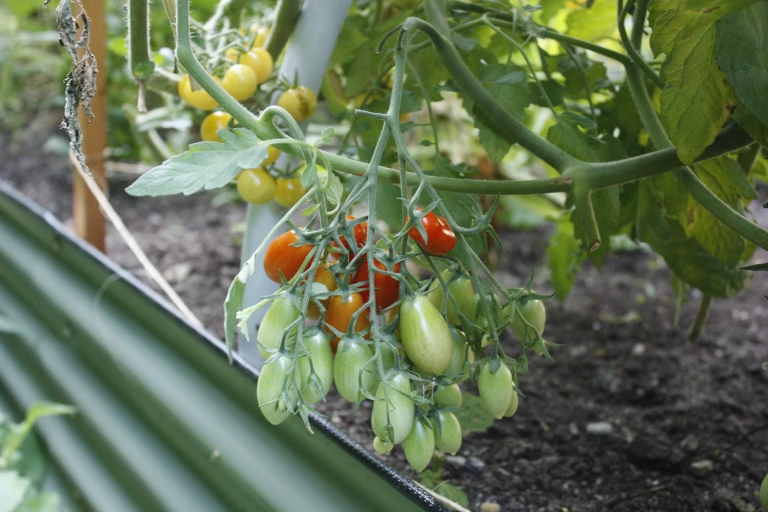
One thing to also think about, especially from the perspective of survival gardening is to also incorporate varieties into your garden that are self pollinating. You don’t want to have to rely on pollinators that may or may not be there, or use up space for flowers when food is the priority. Self pollinating plants include eggplant and tomatoes, and of course leafy greens that don’t require pollinators at all unless you’re hoping to collect seeds.
Step 4: Grow foods that can be stored

Learning how to store foods is an important part of having access to food year round. So this includes preserving foods such as canning or dehydrating foods. For foods that can survive the winter without processing, make sure you’re growing varieties that are good for storage. This includes onions, garlic, carrots, potatoes and winter squash.
Continue growing your garden knowledge
- I Was Wrong About Crop Rotation – Let Me Explain
- Drowning in Tomatoes? Here are 11 Ways to Use Your Harvest!
- 8 Tips to Build Healthy Soil (When Yours Sucks)
- Drowning in Zucchini? Here are 11 Ways to Use Your Harvest!
- 6 Spring Garden Pests You Should Know
Step 5: Start growing medicinal and herbal plants
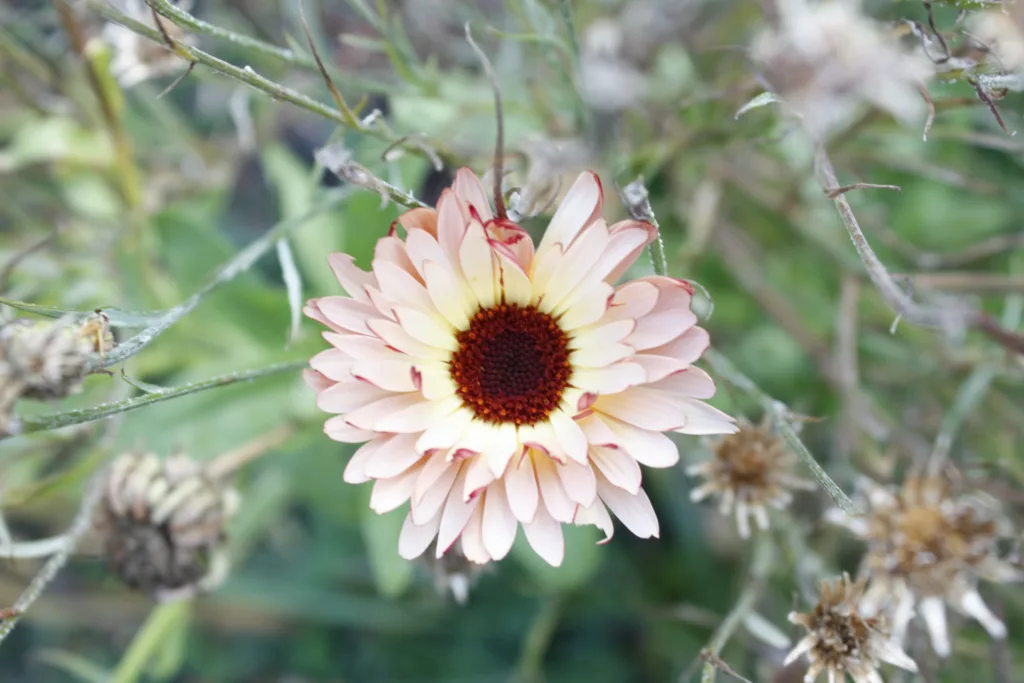
Growing medicinal and herbal plants can help you make your own teas, salves or other tinctures. Plants have been used for thousands of years to help heal skin issues, minor colds, and other health related concerns. It’s important to make sure you understand what you’re growing and using because some plants can be harmful to your health. If this is something that interests you, I recommend renting some books from your local library or finding a course in your area to help expand your knowledge on medicinal plants because they can be a powerful addition to your garden.
Step 6: Incorporate fertilizer plants in your garden

Incorporate plants in your garden for fertilizer because you’ll want to make sure that your garden soil has all the right nutrients it needs to grow successfully. Now, the best part is that weeds make for a great fertilizer, and you likely have an abundance of these already in your garden, including dandelions. But, if you wanted to add another plant to your garden that works both as a fertilizer and as a mulch, I recommend looking into adding comfrey into your garden. I don’t recommend the common variety because it spreads rapidly and can’t be removed, but to find the Bocking 14 variety.

Step 7: Learn how to save seeds
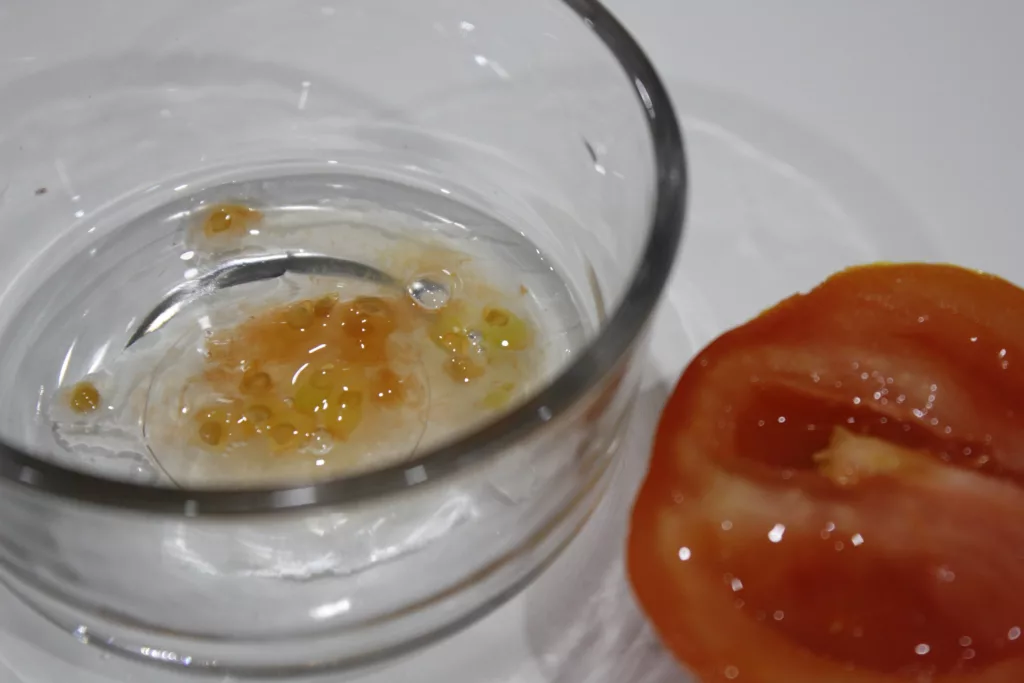
In order to survive in future years and have a safe stock of seeds, you’ll need to learn how to save seeds. Seed saving is a vast topic and requires skill, so learning how to save now will help you in the future. Having a community is so important so you can swap seeds and food with one another as well. We can’t get through this world alone, it requires community and that’s how we’ve survived for thousands of years.
Step 8: Learn how to forage
Foraging is something we’ve been doing for thousands of years. There are a lot of plants that grow naturally that we can eat, from berries to mushrooms to root vegetables. It’s extremely important that you learn your foods and don’t accidently harvest anything that is poisonous. Mushrooms are a perfect example of this and eating the wrong mushroom can lead to organ failure! However, once you learn how to forage you’ll realize that there is an abundance of food available to you, including weeds like garlic mustard and stinging nettle as tea.
Bonus: Focus on Perennial Plants

The above steps are the most important skills for quick nutrition, but if there appears to be a long term need for your own garden food, planting perennials is an important final step.
Perennial foods include fruits such as strawberries, raspberries, apples or rhubarb. However the list of perennial fruits is much larger than this. Perennial vegetables include sunchokes, asparagus and walking onions. It will take a few years to grow and produce but they are filled with tons of nutrients and don’t require a lot of maintenance so they’re an important part of your garden.