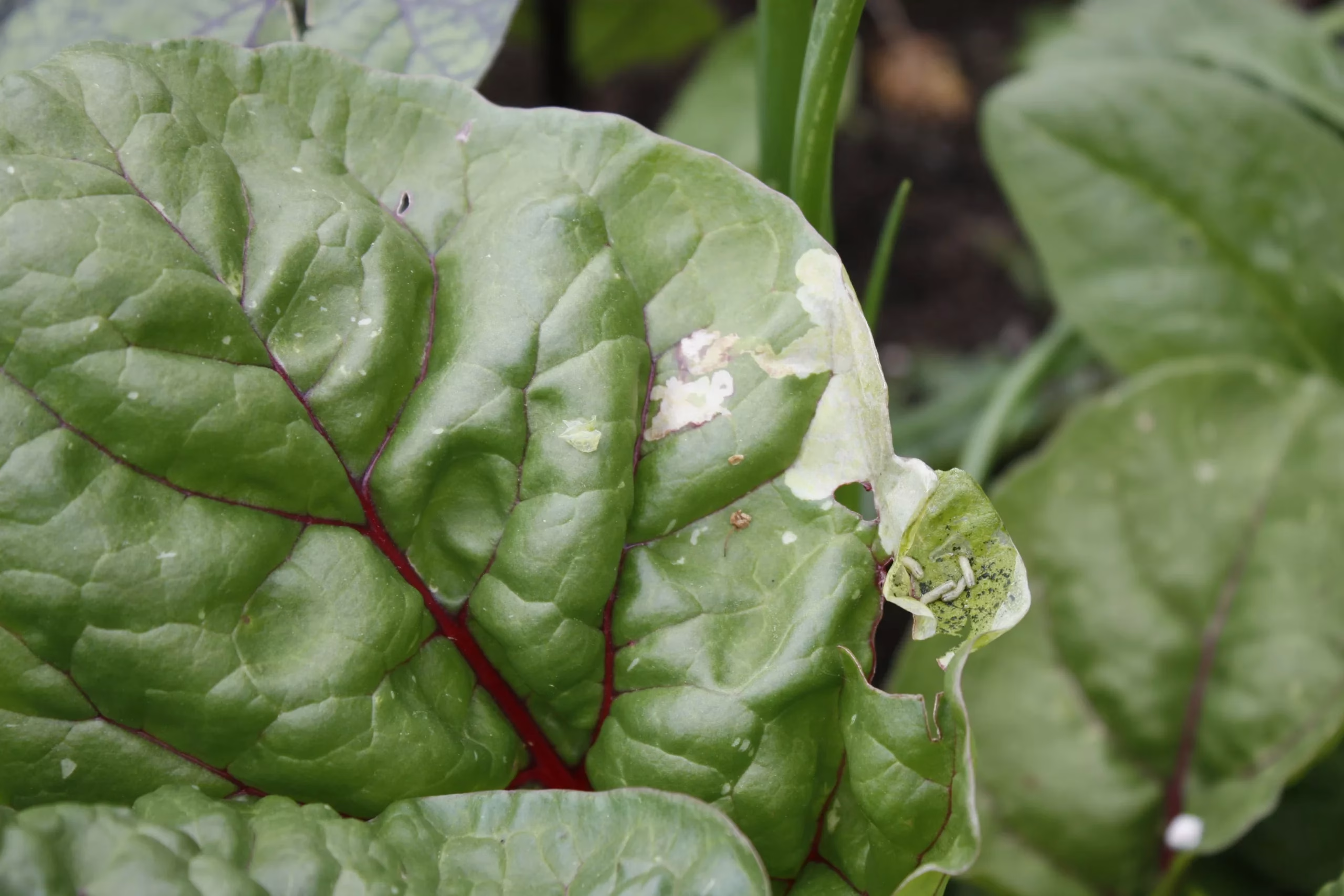

We are lucky to share our land with so many animals, insects and birds. As much as they might cause you trouble in your garden, we’re also animals, and we need them to keep the world livable. Sometimes it feels like we would be better off without them, but let me tell you, that couldn’t be further from the truth.
Another truth is that the idea of land ownership, borders and “yours vs mine” has been created by humans and no other living being on the planet follows these rules. Which means that “your” land is also the land of the animals, insects, reptiles and birds as well. Therefore, hurting other living beings because they “trespassed” into your garden is unacceptable. In today’s article I’m going to show you 5 ways that you can redirect these common garden visitors away from your plants and towards things that they can be eating or using, in order to limit your gardens damage.
Common Garden Animals
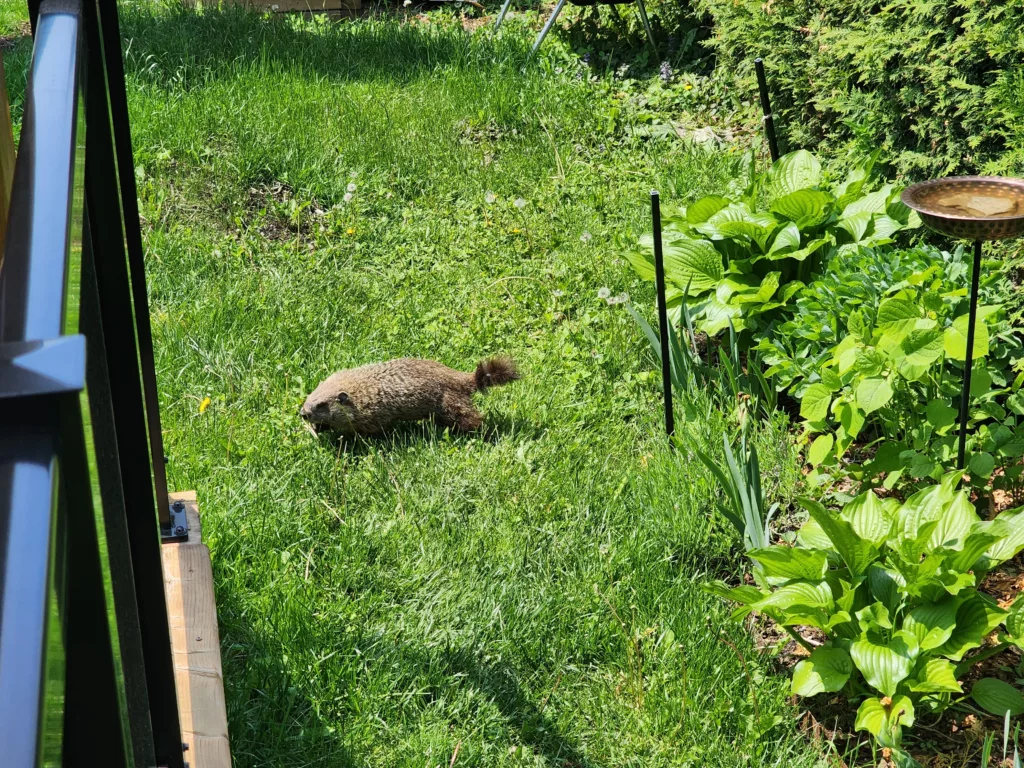
Although this isn’t a comprehensive list, some of the more common garden animals include rabbits, squirrels, groundhogs, skunks, raccoons, mice, rats, birds, and deer. Of course, depending on where you live there’ll be more animals than this list includes but this list is already long enough. There’s only so many battles we can fight!
What NOT to Do to Animals in Your Garden
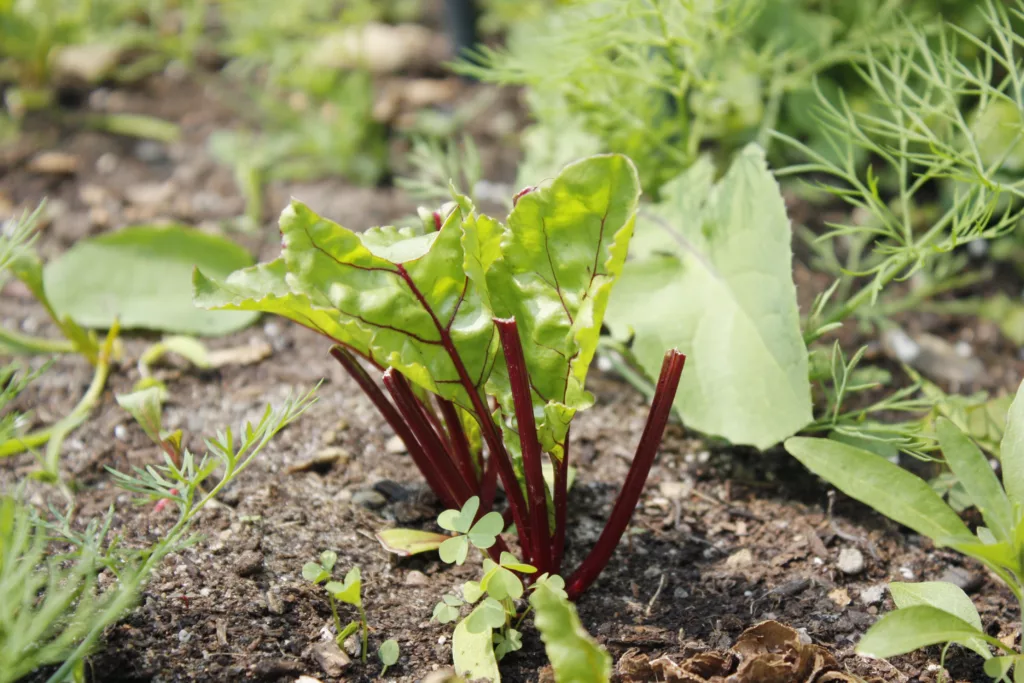
Before I get into the tips on how to manage the “pests” in your garden, I want to talk about what NOT to do first. And trust me, I’ve had my share of garden tragedies thanks to animals. I’ve lost an entire cauliflower head to a groundhog. The day before writing this blog post I had all my eggplant seedlings ripped from the ground and tossed over the soil (and they’re my prized possessions). I’ve had sunflower heads popped off their stalks and left to rot. I’ve even had the roots of my favourite flower plants eaten to death. But no matter what has happened, this is something that I will never do, and that is to put hot pepper/cayenne pepper on my plants, or to spray poisons.
It’s a very common suggestion to add hot pepper or cayenne powder or spray on your plants to keep animals away, but here’s why I won’t do it. First, it only lasts so long and will wash off with rain so it requires a lot of time and effort to do this. And second, cayenne is used because mammals can smell it and it’s meant to deter them from the smell. The problem? If they don’t stay away and do choose to go near it, it can really hurt them. If they get it in their eyes, or choose to eat it, they have no way of cleaning it off and it causes them a lot of distress. If you’re growing a garden, I’m not sure why you would want to work with one part of nature while causing distress to another. And, if you’re like most people and don’t keep water out at lower levels, where will these animals go to clean themselves. Therefore, I will never suggest using hot peppers, their powders or sauces.
Another option that is commonly suggested is poisoning animals such as rats or mice. I also will never recommend doing this because rats and mice are at the bottom of the food chain, so if you poison them, you’re poisoning the entire food chain. You can’t guarantee that once they ingest the poison you know where they go, which means if they die out of your sight and a bird gets to them first, you’ve now poisoned a bird as well. Again, I don’t think your garden is worth multiple lives dying. These animals don’t understand gardens or boundaries, all they see is an amazing supply of food. So it’s up to you to redirect them somewhere else without harming them.
Ways to Manage Animals in Your Garden
There are various ways that you can manage animals in your garden that doesn’t involve hurting them. Of course there’s always those animals that are the exception, like raccoons and deer. Both have a ferocious appetite and can outsmart so many different tricks that we implement. However, these tips will help lower the risk of damage in your garden.
In my current home I have cedar hedges that surround my property (aka a great place to hide if you’re an animal) and no fence inside of those hedges which means that my property isn’t “protected” from any animal that chooses to pass through. And even with that I manage to protect my vegetables from being decimated every single night. The following tips are all steps that I currently use and have used in the past to protect my garden.
Tip 1: Add Water in Multiple Places
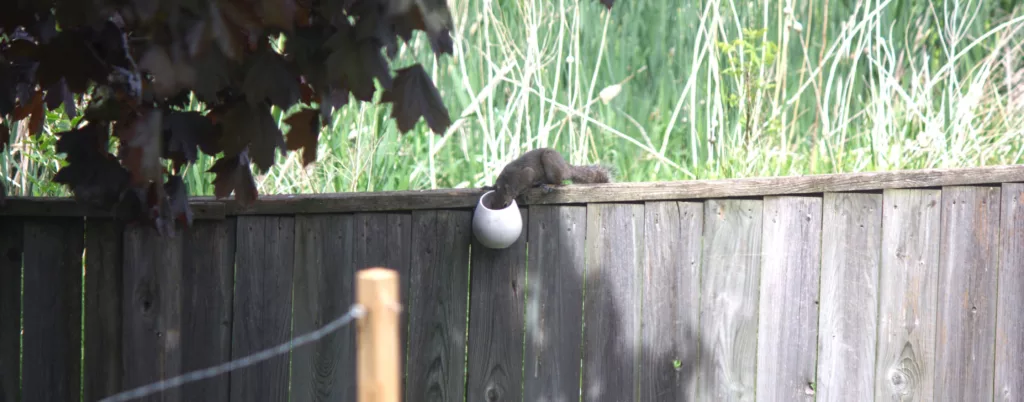
Adding water around your property is one of the most effective ways to keep animals from eating your plants and vegetables. Unless it’s regularly raining with puddles around, where can animals get a drink in your neighbourhood, or in your area? When you see a tomato left half eaten on the fence, or a tulip head popped off, it’s often because the animal was thirsty and looking for a way to get liquids. Tulips catch rain like a cup, while we all know tomatoes are juicy.
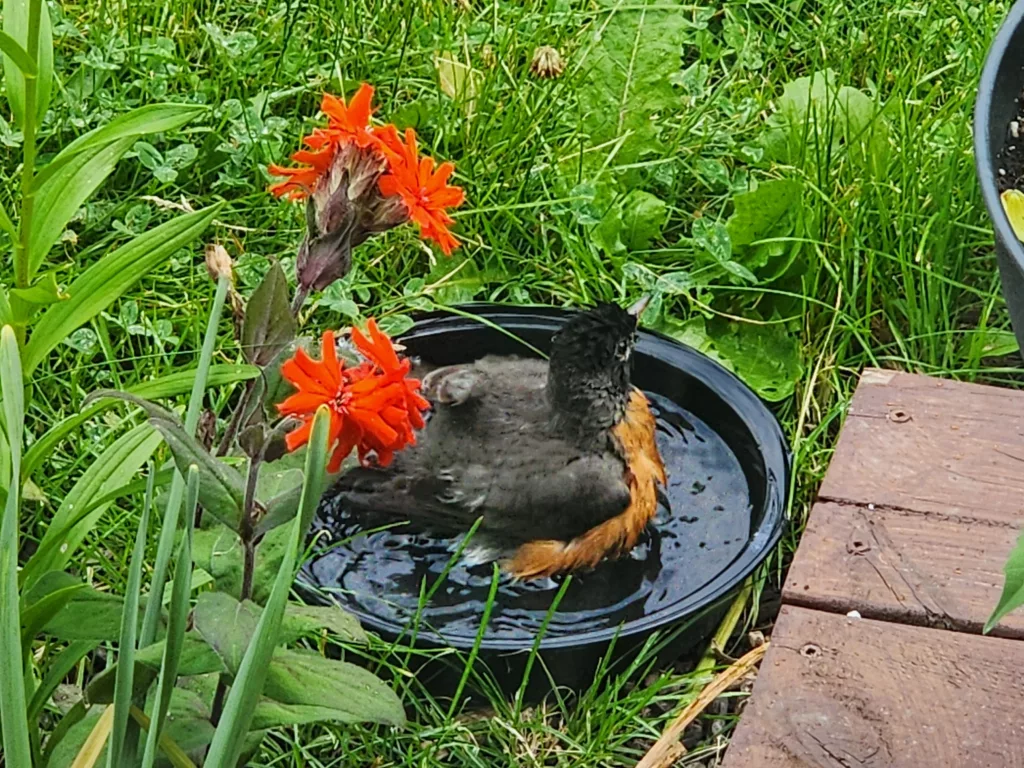
When placing water around you property, there’s a few things to consider. The first is height – you want to make sure you have water at multiple heights available to all animals and their limitations. For example, in the above photo I use a wall vase that is hooked on the fence so that animals like squirrels and raccoons can access it. In the photo below, I leave a tray of water out on the ground so that animals such as skunks and groundhogs can access it. I also don’t place it anywhere near my vegetable gardens so that lures them away from the vegetables to a different location.
Next, ensure the water is shallow enough that animals can’t drown in it. Otherwise, make sure to add an escape route. The third consideration is to make sure you’re regularly changing out the water to prevent the spread of disease. And finally, if you want to ensure the water is successfully used, place it in a protected area so that animals can quickly escape and hide, if needed.
Continue growing your garden knowledge
- I Was Wrong About Crop Rotation – Let Me Explain
- Drowning in Tomatoes? Here are 11 Ways to Use Your Harvest!
- 8 Tips to Build Healthy Soil (When Yours Sucks)
- Drowning in Zucchini? Here are 11 Ways to Use Your Harvest!
- 6 Spring Garden Pests You Should Know
Tip 2: Cover Your Plants
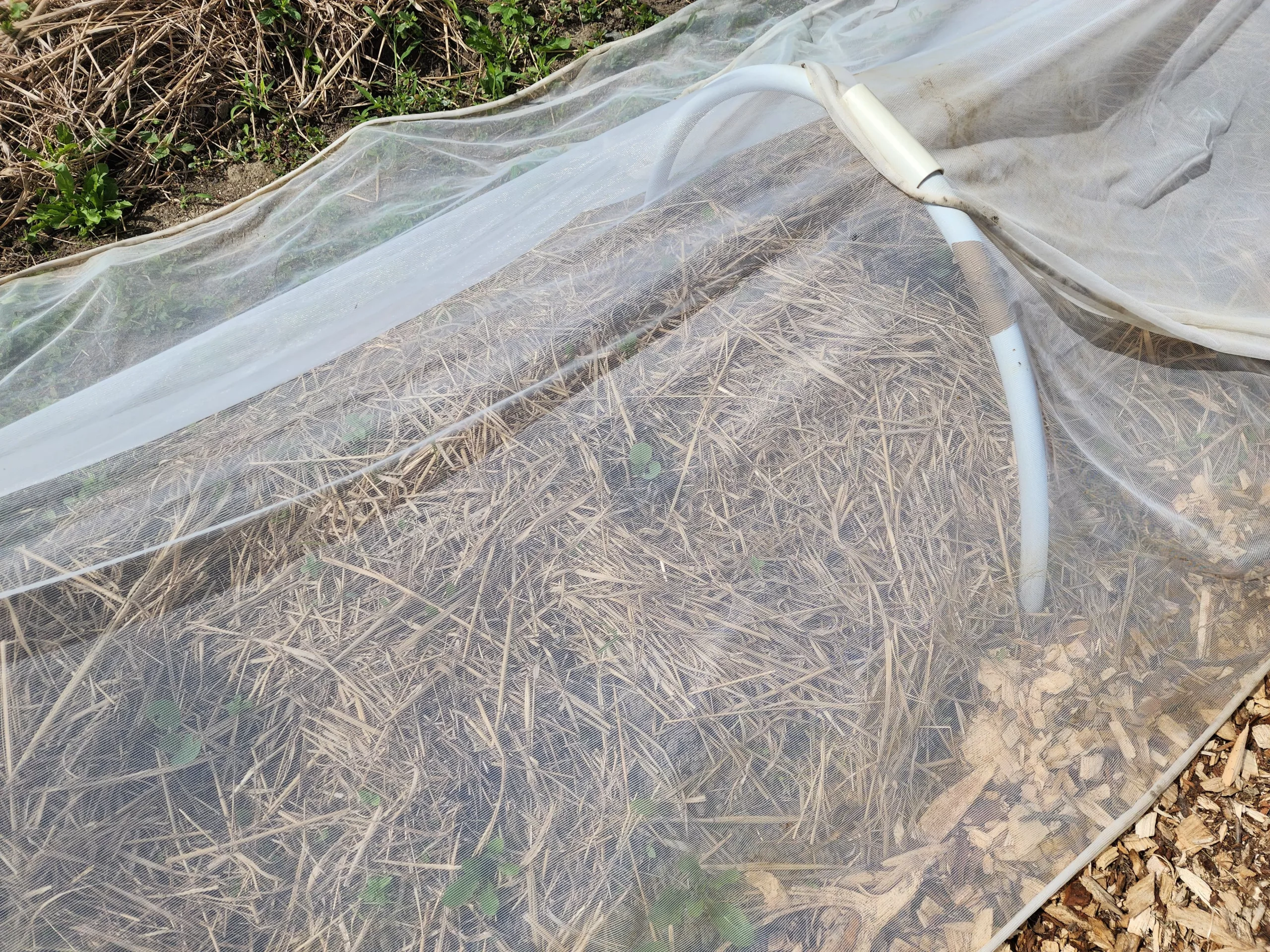
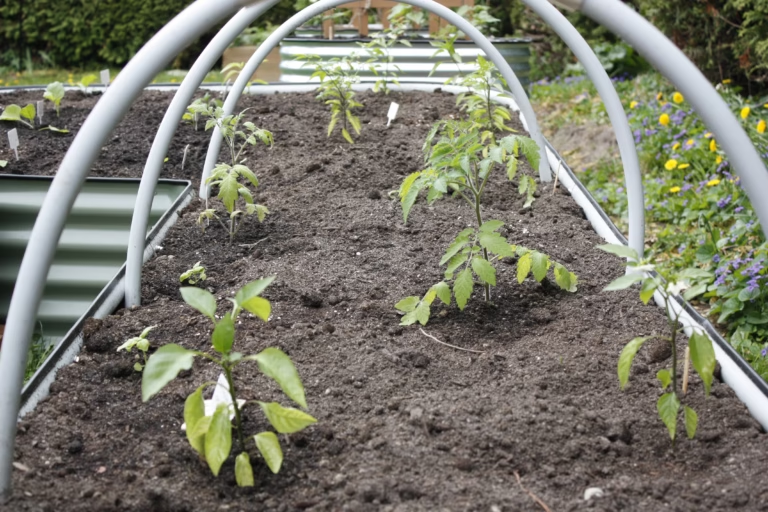
Covering your plants can look like a number of different things. The first is covering your gardens with insect netting or shade cloth. This way it keeps out larger animals since they won’t see the food quite as easily, especially if it’s under shade cloth (however mice or rats won’t be detered).
Another option is to build a cage or fence around your garden using chicken wire. If you want to keep deer out you either need to build a super tall fence (minimum 7 feet) or you need to build a completely caged in space with a chicken wire roof as well. This is the most effective way to protect your garden, however it’s expensive, time consuming to build and isn’t always the prettiest.
Tip 3: Change How You Plant
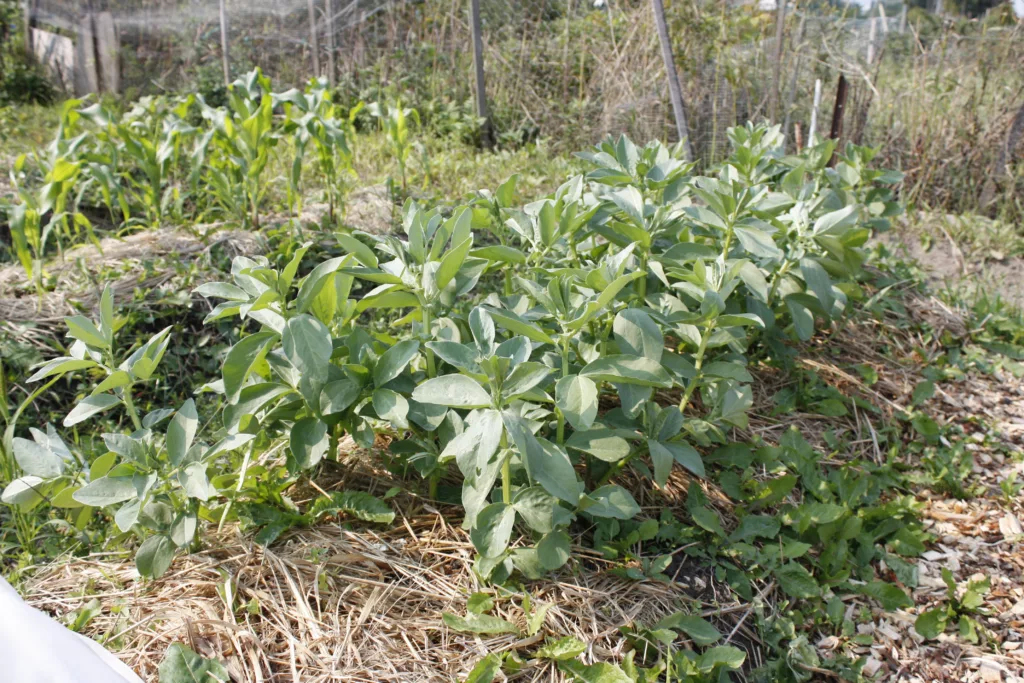
This is probably one of the easiest ways to manage your garden. Unless you’re absolutely dedicated to the idea, changing how you plant can help you not feel like you’re at war with nature. For example, I no longer grow sunflowers or tulips because I find them to be more problematic than they’re worth. I love sunflowers and tulips, but am happy to enjoy them in someone else’s yard in order to avoid the stress of planting them in mine. If you’ve noticed some of your plants are targeted more often than others, consider removing them from your garden completely.
Another option is to continue planting them but planting more than you want or need so by the time the casualties have been counted, you still have some left for yourself.
Your final option is to look into planting certain plants purely as sacrificial crops, or distractions. Planting a specific garden that you know will be decimated by critter means that they’ll be distracted over there rather than in your actual garden.
Tip 4: Grow in Taller Gardens
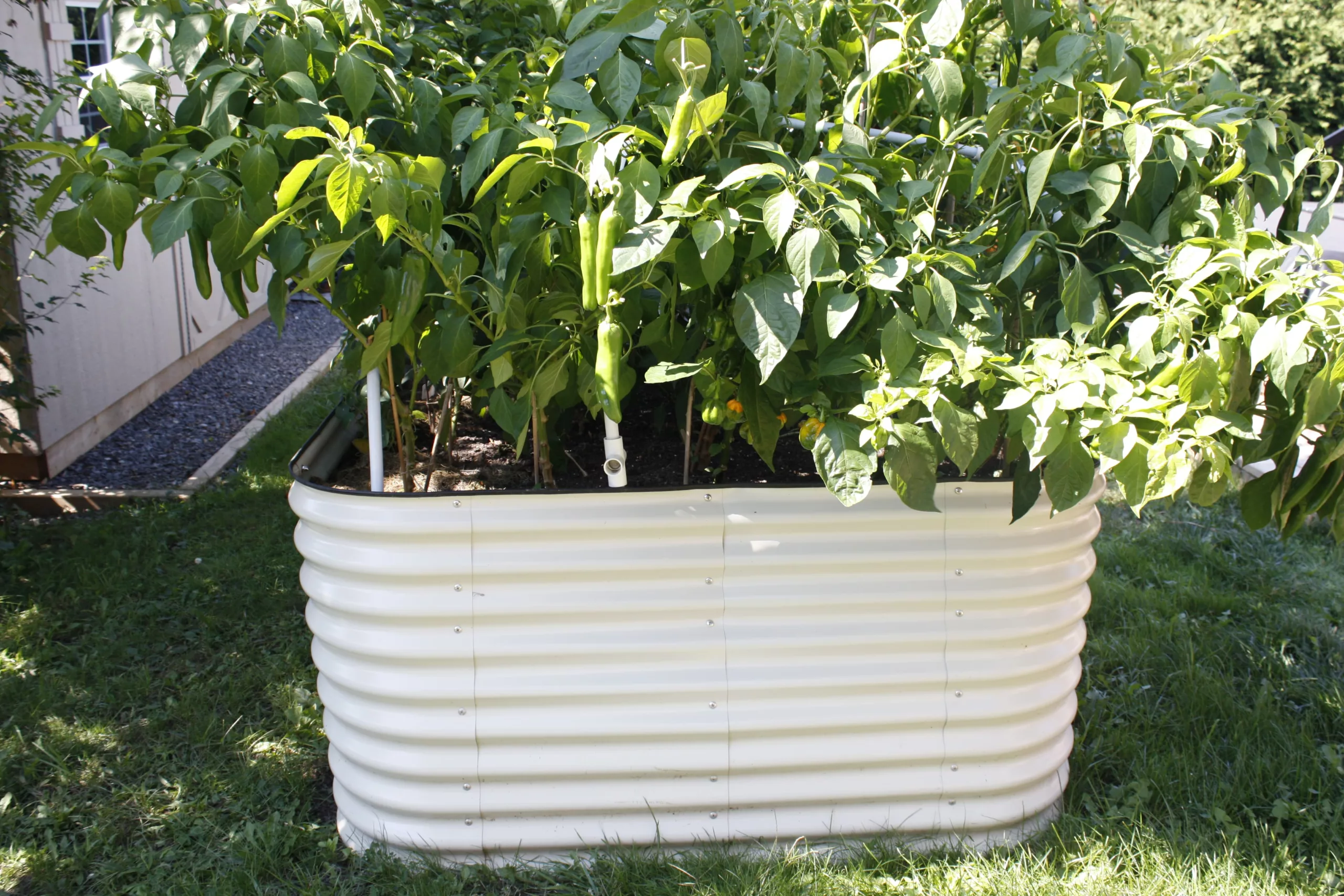
While this won’t work for all the garden animals, it will protect your garden from some! I have a 32″ tall metal raised garden and this is where I plant my most prized possessions, or the plants that are the biggest target from animals. I’ve only ever rarely seen a squirrel in this garden and that’s it. I’ve never seen a rabbit, skunk or groundhog in it – and of course never a raccoon since they’re nocturnal and I’m sleeping. I’m not sure if mice or rats can climb these metal gardens and haven’t seen damage to prove they can but it definitely is a benefit having tall metal garden beds.
Tip 5: Humanely Evict Them
As much as I believe that we need to share our land with all the animals, insects and other wildlife around us – sometimes the best option is to evict them from your property – humanely. Certain animals can be incredibly destructive, such as groundhogs, and if you want to keep your garden vegetables for yourself, you’ll need to evict them. Also, skunks aren’t a great roommate either, especially if you have kids or a dog.
There are a few different ways you can do this. The first is live traps – however you need to know the laws in your city, province or state if you’re doing this because often there are rules on how far you can move an animal. Not only that, but you have to find the right bait to get the animal to even go into the trap, and a place to bring them to that is safe. The other issue with moving animals is that you need to be mindful of nesting season – because moving a mother away from her babies is extremely stressful for her, and will likely result in her offspring dying.
Another option is to put out scents that they don’t like – such as bleach, or predator urine. I personally have never tried predator urine because you have to reapply it every time it rains (and it’s constantly raining in Ottawa) and I worry that it smells terrible and that even I won’t want to be out in my garden after using it. We just recently had a groundhog try and move in under our deck so we tested the bleach on cloths approach and it worked….ish. We dunked a few cloths in bleach and laid them around the entrance where the groundhog was digging and she hasn’t come back to dig in the same spot. However we did find her in a new spot, so it seems to work – but not completely.
Finally, regularly going outside and talking or having a dog, is a great way to let animals know that it isn’t a safe space in your garden. We don’t have a dog so I take regular breaks from work to go outside, get a breath of fresh air and patrol for animals. If you don’t have a dog, you can ask a friend or neighbour if you can have their dog over a few times so that the animal believes that this is a regular occurrence and that it’s not a safe space to live. However, it’s difficult to regularly have dogs over so this can be more cumbersome than helpful.
When combined, all of the above tips will help limit animal damage in your garden and allow you to grow your flowers and food in peace, without feeling like you’re at war. And you can do this all without hurting the animals around you and respecting the space you share with them. I hope these tips help you in your endeavour to keep your plants safe.