
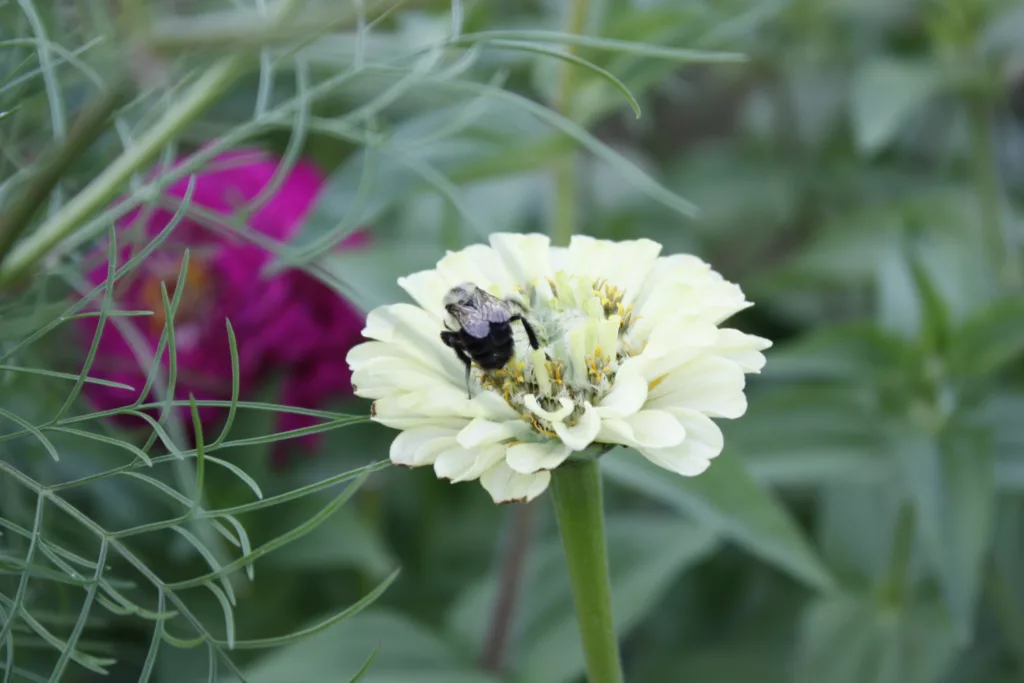
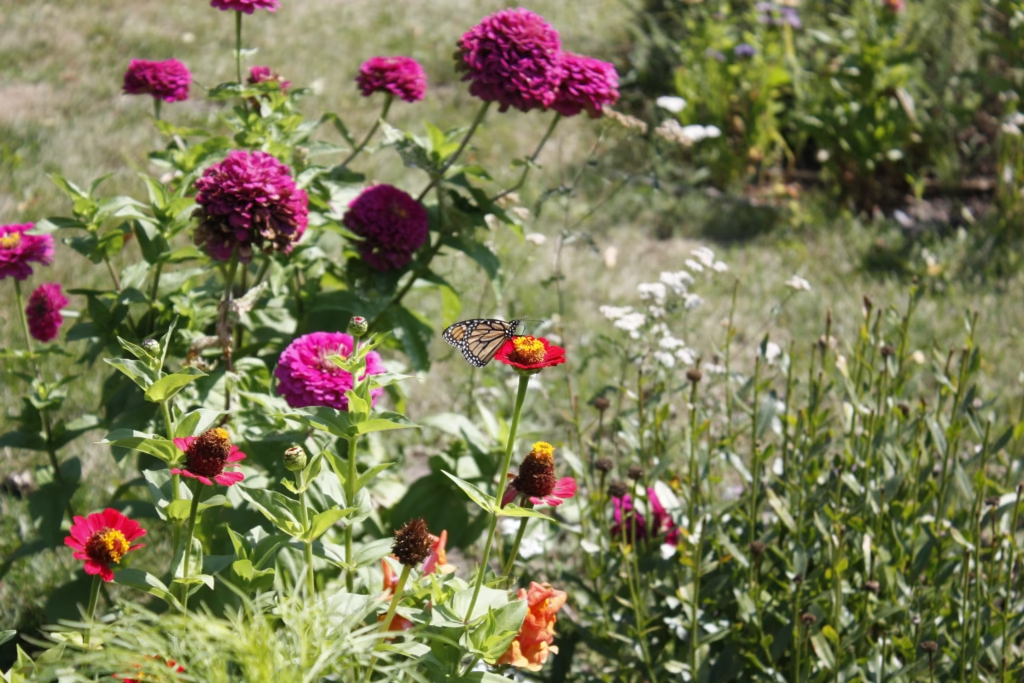
Zinnias are my absolute favourite flower, next to peonies and hellebores. They come in such a wide variety of colours, shapes and sizes and are loved by both butterflies and bees. They are the perfect flower for the cut flower garden and are beautiful in bouquets. Plus, they’re simple to grow from seed. What more could you want!
A Quick Summary on Zinnias
Zinnias are an amazing annual flower that add a pop of colour to any garden. If planned properly, you could plant every colour of the rainbow, making them such a fun addition to your garden. The petal shapes range from thin petals to petals that look like fluffy balls. They’re simple to grow from seed, will grow an abundance of flowers and will feed the pollinators.
Zinnia Varieties
This blog is reader supported. Some of the links in this article are affiliates that earn us a small commission, at no additional cost to you.
There are quite a lot of zinnia varieties out there, but, depending on how you want to use them, some varieties are better. If you want to grow cut flowers, the Benary Giants make for great flowers because they produce large blooms that fill a vase beautifully. There is Zinderalla which is a new variety of antique colours, and the Queeny mix is another beautiful blend of antique colours with a green centre.
Zinnia Sun & Soil Requirements
Zinnias do best in full sun. The more sun, the more blooms so if you only have an area with part sun you will still be able to grow them but you’ll get less blooms. Zinnias aren’t too picky on their soil quality, so as long as you plant in good garden soil they will do well.
How to Plant Zinnia Seeds
Zinnias are quite easy to grow from seed. Plant the seed at 2x the depth of the seed in sterile seed starting soil. Start them 4-6 weeks before your last frost date to allow them time to grow. Because zinnias take about 2 months to flower from planting, starting them indoors allows for earlier blooms.
If you grow your zinnias on a heat mat, or with a humidity dome, seeds should germinate in 3-5 days. You can grow them without these tools but germination will take longer.
Caring for Zinnia Seedlings
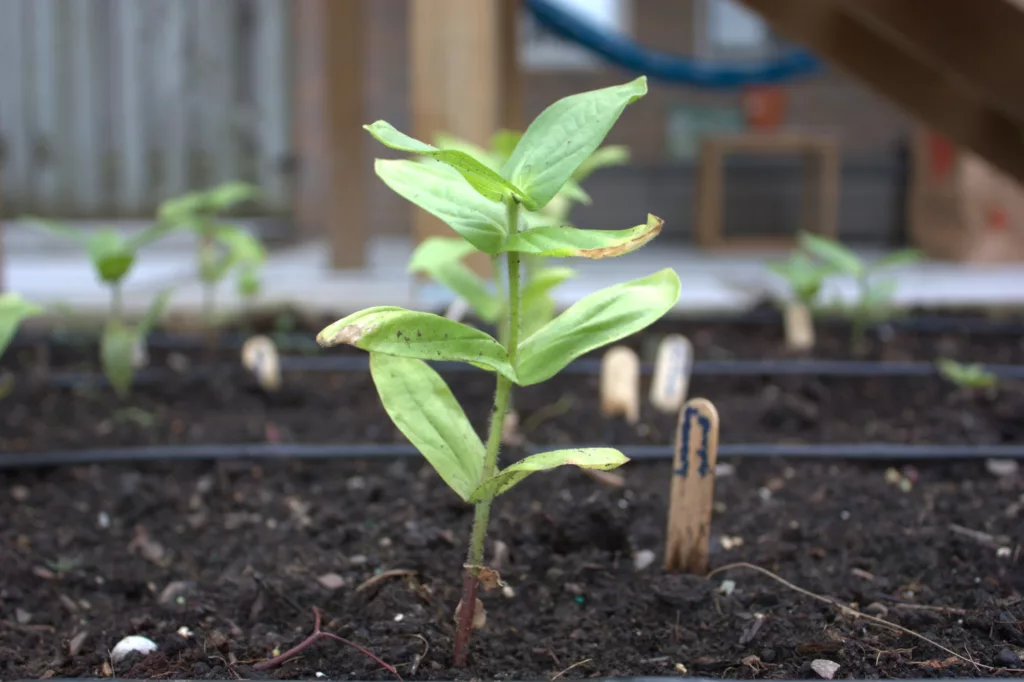
Don’t allow zinnias to get rootbound or outgrow their pots. It’s important to upgrade them as necessary. Once your plant gets 3-4 sets of true leaves, pinch the main stem to promote branching. This will allow more blooms during the season. Zinnias don’t like cold temperatures so don’t plant them out before the days and nights are consistently above 10°C.
Continue your garden learning:
- I Was Wrong About Crop Rotation – Let Me Explain
- Drowning in Tomatoes? Here are 11 Ways to Use Your Harvest!
- 8 Tips to Build Healthy Soil (When Yours Sucks)
- Drowning in Zucchini? Here are 11 Ways to Use Your Harvest!
- 6 Spring Garden Pests You Should Know
Planting Zinnias
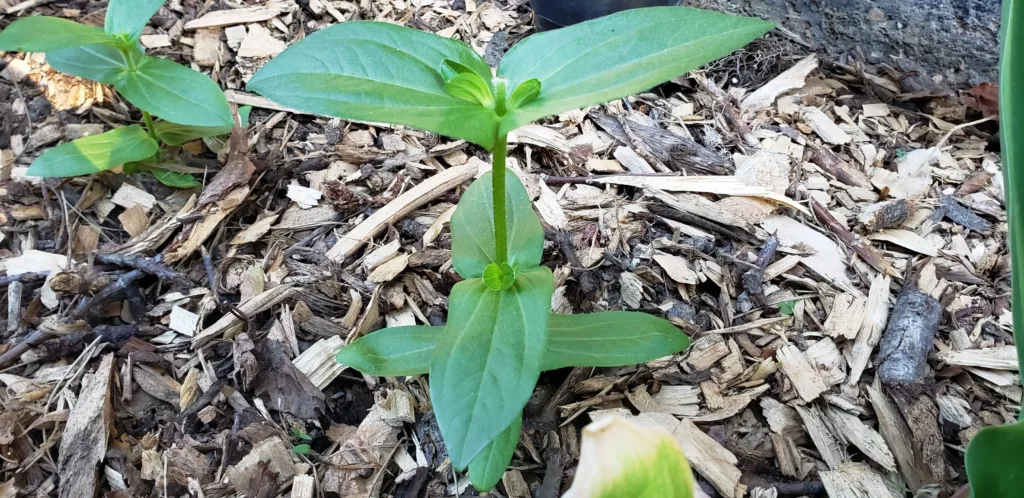
Plant zinnias 8-10″ apart to allow them space to grow and bloom. You can stake the flowers to help keep them upright, however zinnias are generally a sturdy plant. Water them well once planted.
Watering Zinnias
Zinnias aren’t super thirsty plants so water them at the same time as the rest of your garden to keep them happy and healthy. Avoid watering the leaves to prevent any disease, and opt for watering at the base.
Harvesting Zinnias for Bouquets
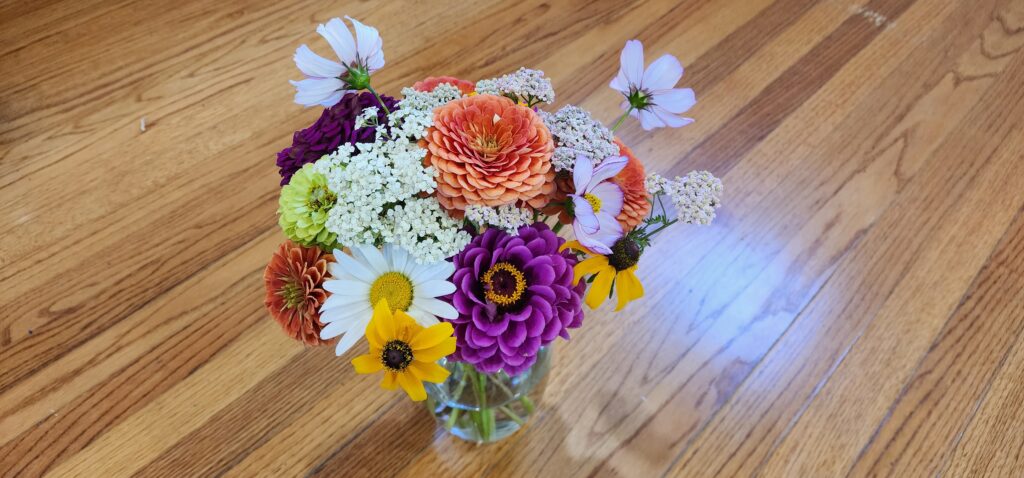
One of the best things about zinnias is how well they last in a vase. Zinnias are ready to be harvested when you hold the stem and give it a gentle shake. If the stem is wobbly, they aren’t ready to be harvested. However if the top of the stem stays straight and strong, it’s ready to be picked. The more you harvest the flowers, the more blooms the plant will grow. So don’t be shy, bring your flowers in!
Common Zinnia Pests & Problems
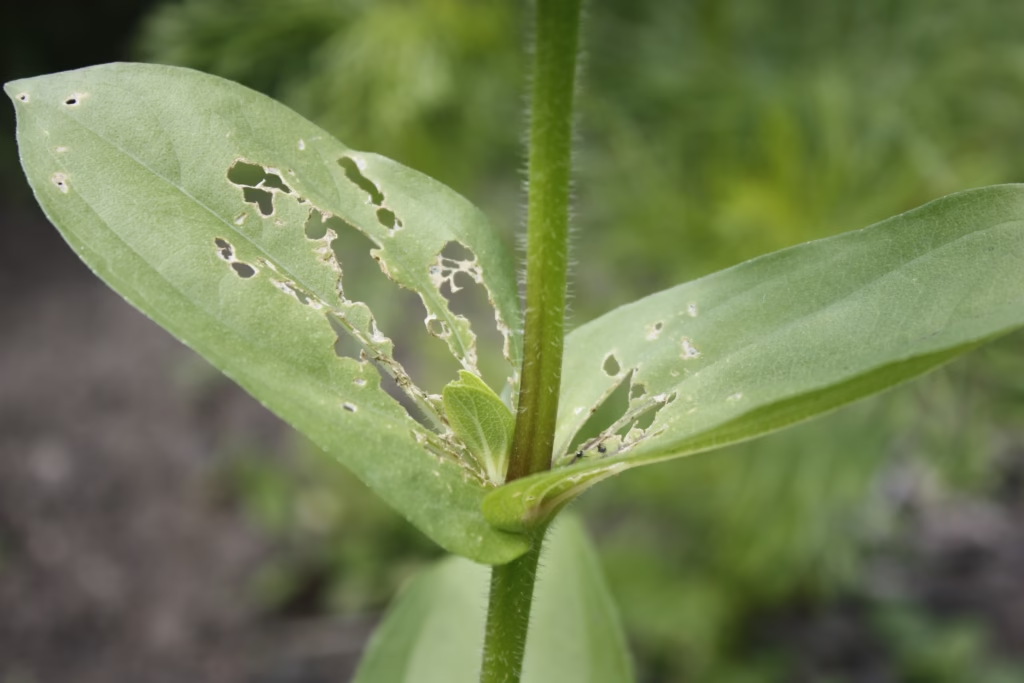
Unfortunately, Japanese beetles have a taste for zinnias, but thankfully they mainly target the leaves of the plant. Earwigs also like to hide in the petals of the flowers so when you pick them to take indoors, make sure to flip them upside down and give them a quick shake to remove any hidden insects.
On the flip side, bees love to sleep on zinnias so it’s important to check your flowers before cutting them. Check both under the flower bloom and under the leaves to make sure there are no sleeping bees before you cut your flowers!
The most common problem for zinnias is powdery mildew. To avoid powdery mildew, don’t plant your plants too close together, and avoid watering from above. It’s common for zinnias to get PM by the end of the season, so the main goal is to avoid getting it too early.
Saving Zinnia Seeds
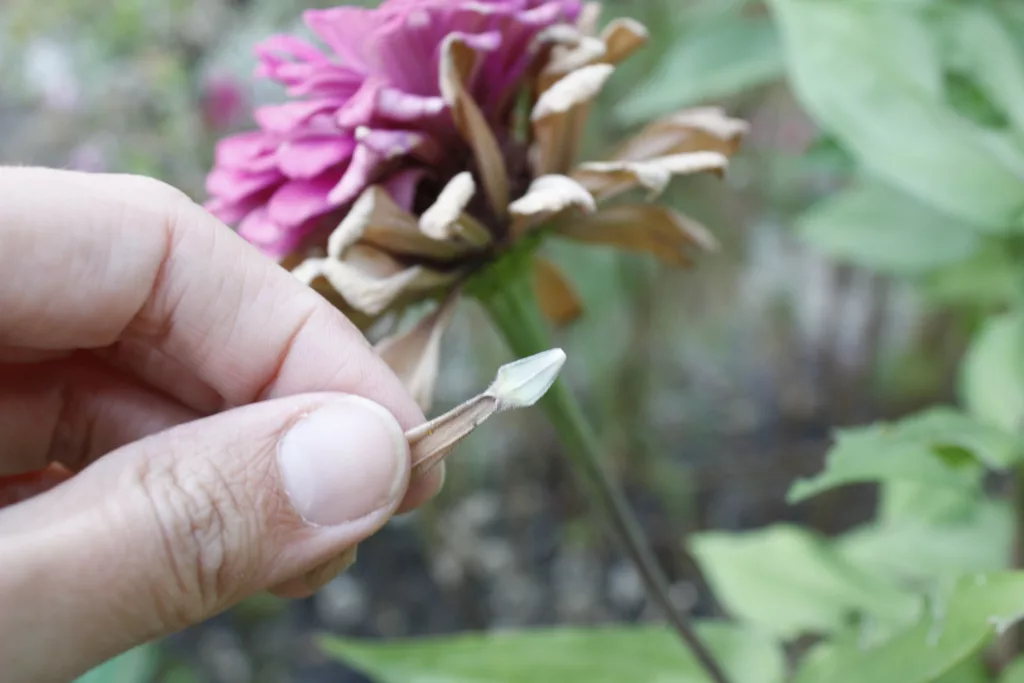
In my opinion, saving zinnia seeds is difficult. The above photo is what a zinnia seed looks like, its one of the dried petals that has an arrowhead shaped seed on the end. However, not all zinnia seeds are viable, or have been pollinated even though the petal and seed are dried out. This is what makes it complicated to me. I learned a bit more about how to save zinnia seeds from a farm that breeds zinnia seeds. If you want to learn more on how to save seeds, or even breed zinnias, you may want to check out their book!