

Japanese beetles have taken over Canadian gardens by storm. They come in mass numbers, damage a wide range of plants from flowers to vegetables and they are relentless. Check out this article to learn how you can slow these pests down and save your plants!
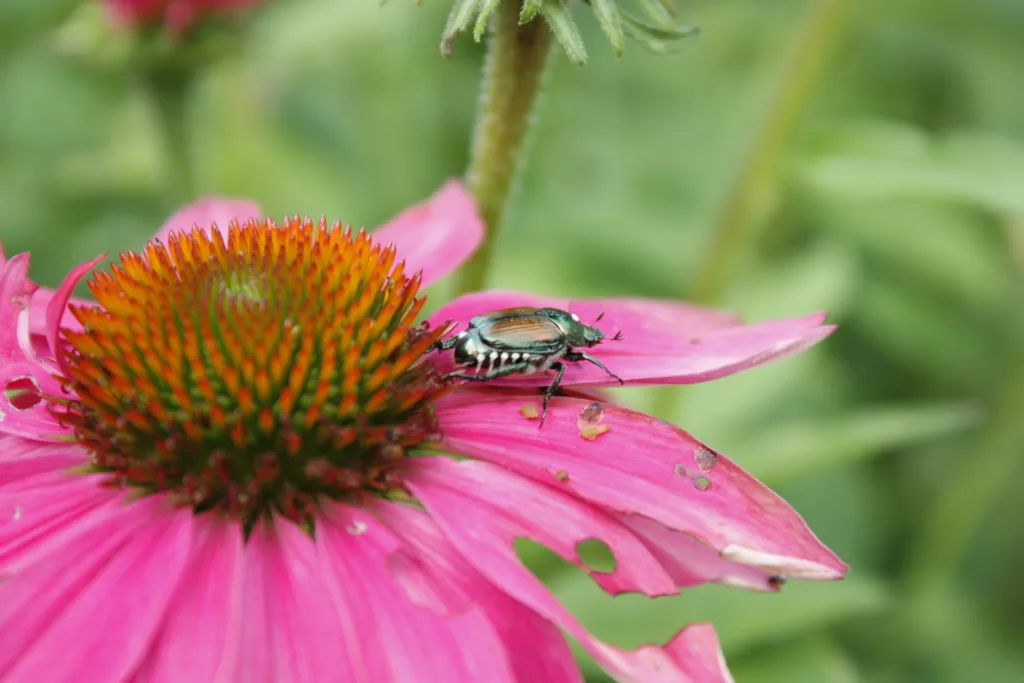
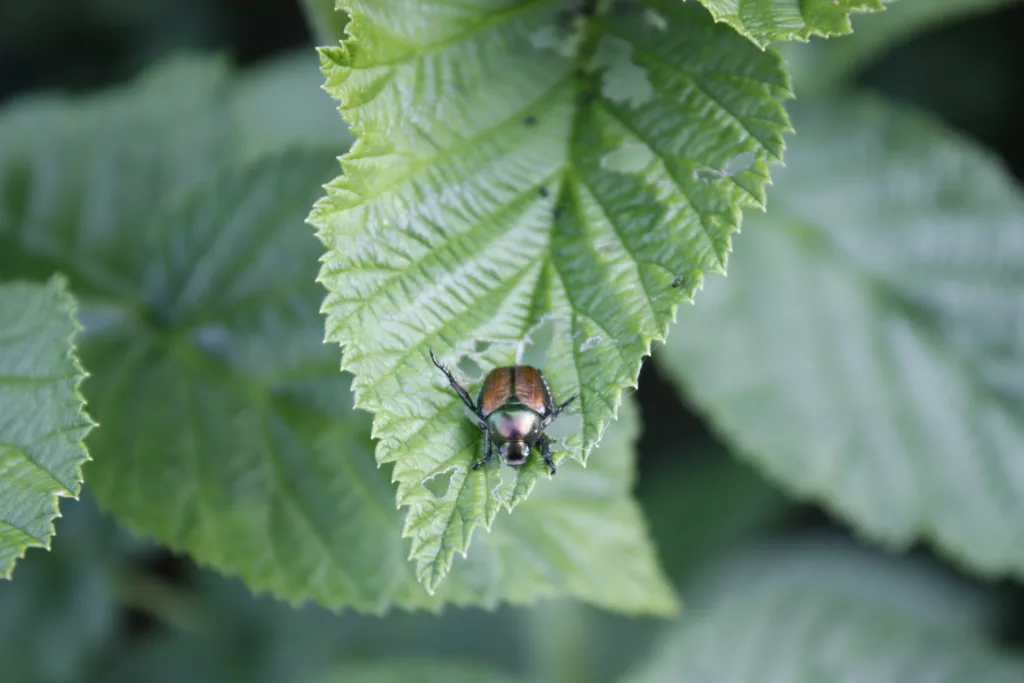
According to the Government of Canada, Japanese beetles are beetles native to Japan that were first found in North America in 1916 and made it to Canada around 1939. Japanese beetles have a widespread distribution across Canada due to their host plant being grass which is prevalent all across the country. These beetles are around 10mm in size and are a beautiful metallic colour, with 12 white spots along the edges of the beetle that are actually tufts of hair. Japanese beetles mainly feed on flower petals and foliage, while the larvae feed on roots – with grass being their preferred food.
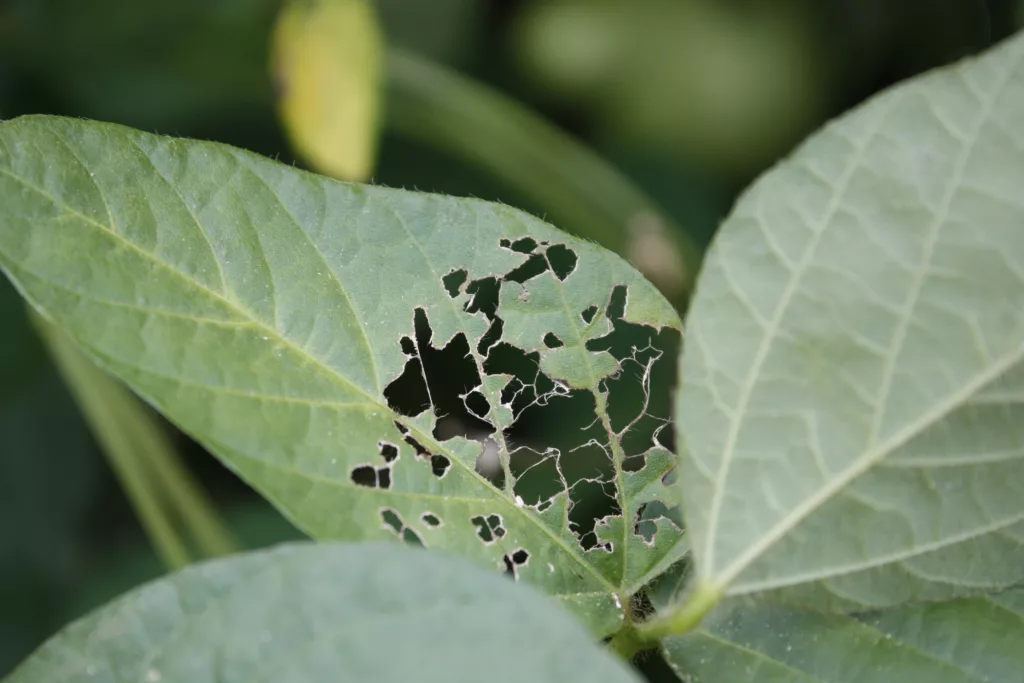
Japanese beetles eat the foliage and flower petals of plants. When you see leaves that have been skeletonized, where the inner portion of the leaves have been eaten and the structure remains, this is Japanese beetle damage.
Since larvae feed on the roots of grass, if you have any brown patches of dead grass in your lawn, this is likely Japanese beetle damage.
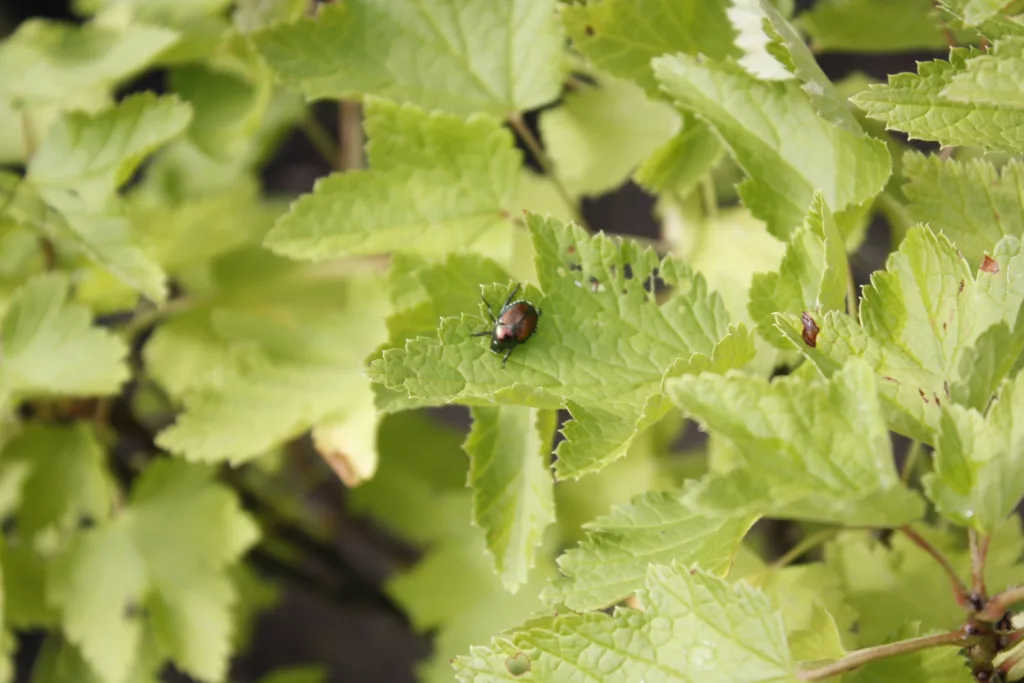
Japanese beetles are a major pest and feed on around 300 different types of plants, which means almost everything is a potential target in your garden. Some common plants that you will find beetles on include roses, zinnias, raspberries, currants (as seen above), grapes, beans and corn.
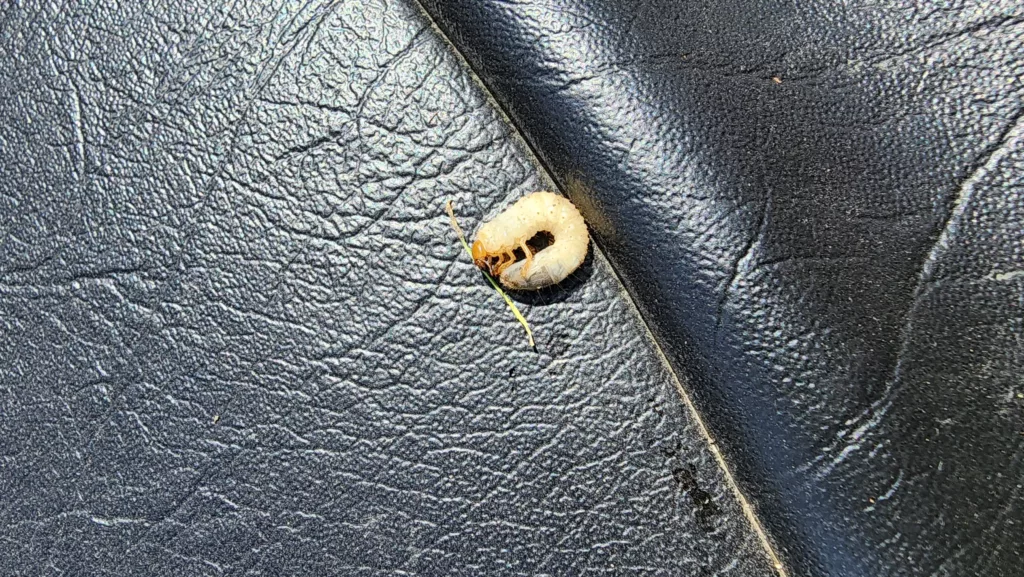
Japanese beetles only have one cycle per year (thank goodness!). The adult beetles live for around 4 to 6 weeks before laying eggs in the ground. These eggs will hatch in the fall and start feeding on the roots of your grass before winter comes. At this point they go deeper underground to survive the winter before coming back up in spring to continue feeding. In late June to early July they emerge as adult beetles to begin their cycle again.
Controlling Japanese beetles is difficult due to their population size, and the fact that they can fly, which means if your neighbours are growing gardens and not controlling populations, it’s difficult to keep them from your garden. However, there are some great options that can help slow them down.
Nematodes are your best option for your fight against Japanese beetles. Nematodes are microscopic worms that feed on the larvae of different insects such as cutworms, European chafers and, you guessed it, Japanese beetles. When buying nematodes, you want to ensure that they were stored properly since they are sensitive to temperature. We suggest ensuring that wherever you get them from, that they were maintained at a proper temperature and are delivered using cooling packages so that they don’t die during transport.
Spraying nematodes in the fall and spring means that you are attacking the larvae in the lawn before they ever get to adulthood. This prevents your lawn from being eaten, and also prevents the majority of the larvae from reaching adulthood.

Once the beetles have reached adulthood there isn’t much you can do other than handpicking. The beetles are a lot slower in the morning and the evening compared to daytime, but they tend to congregate on your plants more during midday. To handpick, get a bowl or jar and fill it with dish soap and water. As you find beetles in your garden, pick them or knock them off the plant straight into the jar and they will drown. They can fly and also often drop their bodies to the ground as an escape so being prepared for both of those responses will help you catch them. It’s important to add the soap into the water because they drown faster this way as it stops them from being able to breathe well. Checking every morning can make the work feel easier and help slow down their populations.
You may see online or in your neighbour’s yard yellow funnels or bags hanging from a tree. Those are Japanese beetle traps. Your first impression may be that these are a great idea, however studies have shown that these traps are actually ineffective. These traps lure more beetles to your property than would normally be present and they only capture around 75% of the beetles. The remaining 25% will be at higher populations than you would normally experience and are shown to cause more damage to plants around the traps.

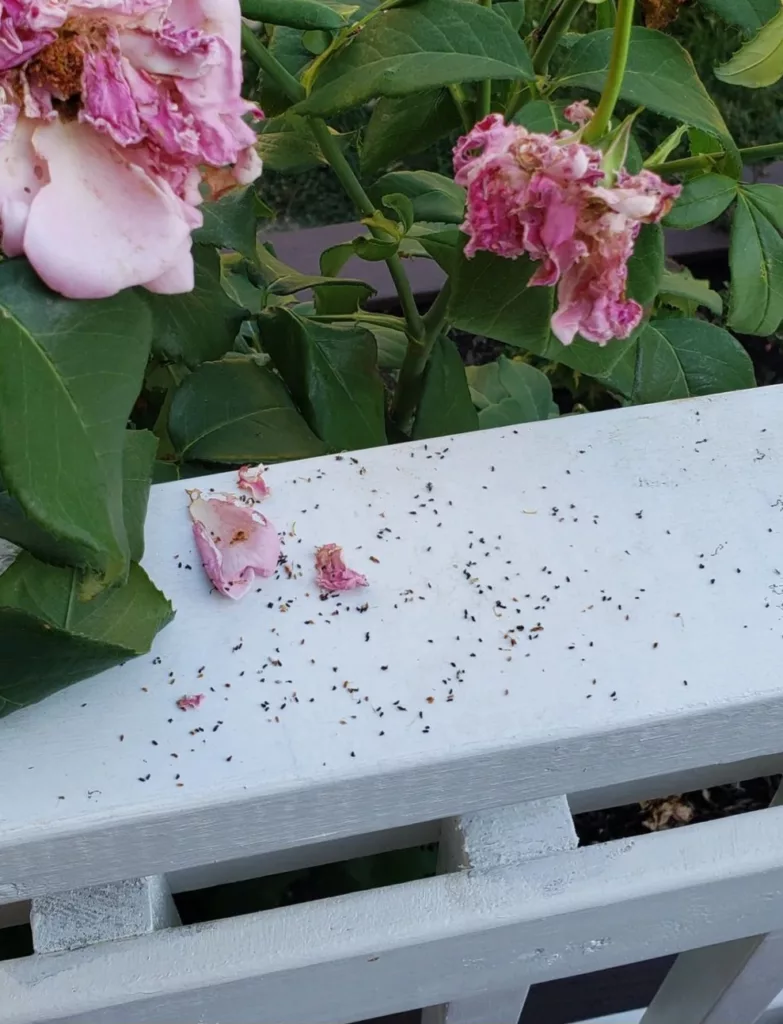
Japanese beetles are, unfortunately, here to stay. So the best way you can prevent these pests from partying in your garden is to spray nematodes on your lawn regularly. Since these pests feed on 300 different plants, avoiding growing certain plants is not practical. Although Japanese beetles make your plants look ugly, for the most part they don’t stop production of your plants (except for a few, such as corn). As irritating as these pests may be, they can be managed, all while you still get a harvest from your garden.