
Broccoli is a great plant to include in the garden because it can be grown in the cold of spring and fall, making it the perfect crop to fill the garden before the main vegetables come in. When planned properly, you can harvest your broccoli at the same time as you’re planting your tomatoes in the ground so your garden is productive for multiple months.
A Quick Summary
Broccoli is part of the brassica family, along with cauliflower, cabbage and kale. It’s a cold hardy crop that can handle temperatures below 0°C. Depending on the variety you’re growing, broccoli matures anywhere from 50-100 days. Varieties with a shorter days to maturity are perfect for spring growing, while broccoli with longer days to maturity are better suited for the fall. What’s so great about broccoli is that the entire plant is edible, which means you can use the leaves and stem in your cooking as well!
Varieties
This blog is reader supported. Some links in this article are affiliates that earn us a small commission, at no extra cost to you.
There are a few different varieties of broccoli out there that can be grown for purposes that suit you best. For example, there is Calabrese which gives you a nice big head of broccoli and a short days to maturity, or Santee for a sprouting broccoli that gives you smaller pieces over a longer period of time. Or, there is a variety called Di Ciccio that gives you a large head in the centre, but also continues to grow smaller sprouts on the sides of the stem.
Sun & Soil Requirements
Broccoli prefers full sun, however if planted in the heat of summer, planting in a space that gets part shade is helpful to prevent it from bolting in the heat. Broccoli prefer nutrient rich soil as they can be heavy feeders.
How to Plant Broccoli Seeds

Broccoli seeds should be planted at 2x the depth of the seed size. Plant them in sterile, seed starting soil and you can place them on a heat mat and under a dome, however it’s not required. This just helps speed up germination. If you are planting for a spring harvest, you want to start them 8-10 weeks before your last frost date. When starting for the fall, knowing the days to maturity for your variety is important. If your variety has a days to maturity of 100 days, you will want to plant the seeds 80-100 days before your first frost date, keeping in mind that broccoli can handle frost – this is why there is some wiggle room of when you can plant the seeds.
Once the broccoli seeds have sprouted, make sure to place them under grow lights. When the plant gets 2-3 sets of true leaves, upgrade the plants to 2″ pots.
Caring for Seedlings
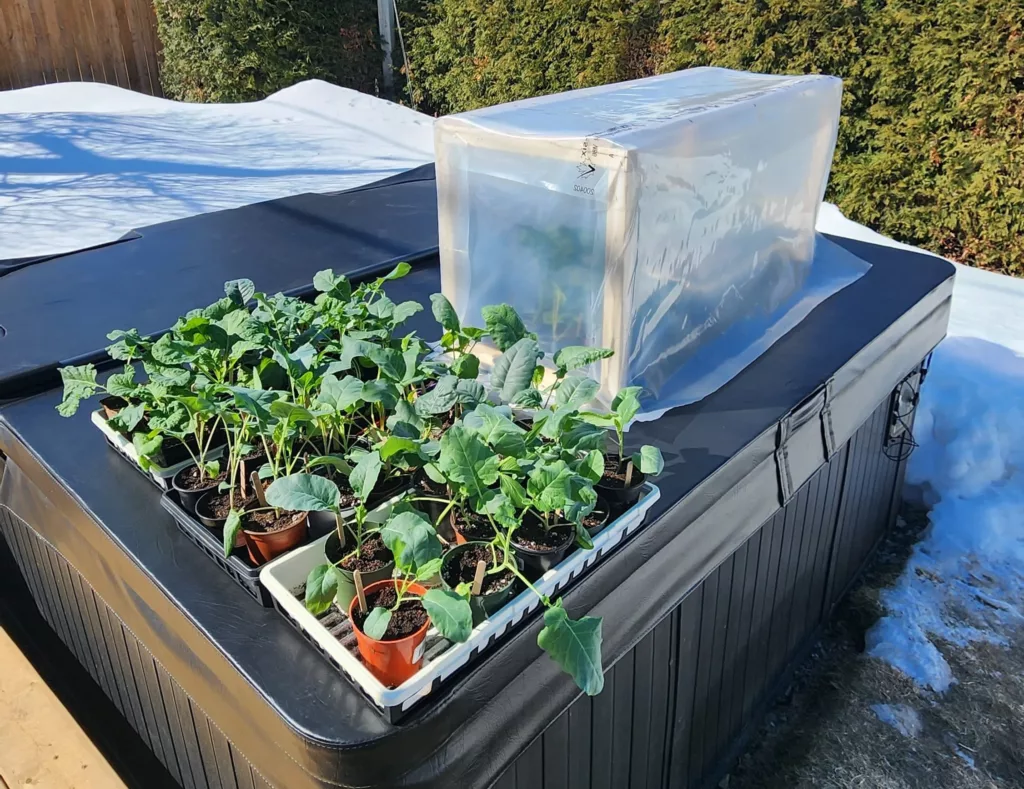
Keep seedlings under grow lights until they’re ready to be hardened off. Even though it may be cold out, with snow on the ground, it’s important to follow the usual rules of hardening off your seedlings. This means, starting them in the shade for 30 minutes a day and slowly introducing them to sunlight. The sun can still burn the seedling leaves. If it’s a windy day, give them shelter so they have time to adjust to the outdoors.
Continue your garden learning:
- 5 Tips to Know When to Harvest Any Vegetable
- I Was Wrong About Crop Rotation – Let Me Explain
- Drowning in Tomatoes? Here are 11 Ways to Use Your Harvest!
- 8 Tips to Build Healthy Soil (When Yours Sucks)
- Drowning in Zucchini? Here are 11 Ways to Use Your Harvest!
Planting Guide

If you’re planting broccoli in the spring, you want to plant it before your last frost. Since broccoli likes cold weather, and the goal is to harvest it around the time of your hot season crops being planted, you want to time your planting right. This can be anywhere from 45-60 days before your hot season plant out date. Or, when night time temperatures are above -10°C, and day times are above 0°C. When planting out in the cold season, make sure to cover your crops at night under a cold frame, poly hoop houses or other season extenders.
You can grow broccoli in containers or in the ground, and they take up about 2 square feet of space, so space them every 12-18″ apart. Growing them inside of tomato cages helps them from toppling over in storms or rain. When planting, you can plant them slightly deeper than they were in their pots to help give them more strength, but don’t bury them much deeper. If the nights are cold, make sure to cover them to protect them until the weather starts to warm up.
Watering
Broccoli are hungry and thirsty plants because of their shallow root systems. Since the soil at the top of the garden dries out quickly, it means that the plants will dry out quickly too. Make sure to give your plants a regular watering every few days. When the heads start to develop, avoid getting it wet and focus on watering the base of the plant. Topping up your garden in the spring with a layer of compost will help provide nutrients for your beginning of season broccoli. Also mulching around the plants can help keep moisture in the soil. If you intend to grow a fall crop, make sure to add compost or nutrient rich soil to the garden before planting.
Harvesting
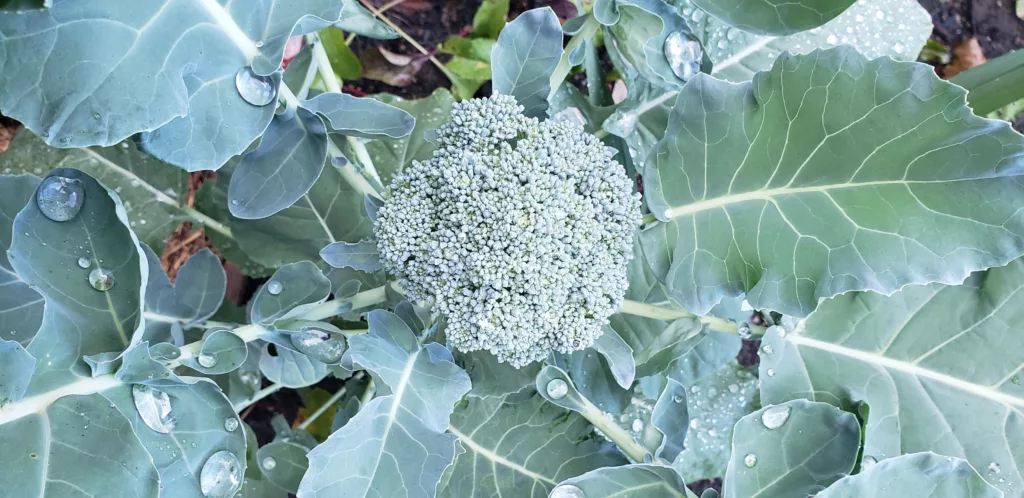
Since the entire broccoli plant is edible, you can begin by harvesting the leaves first to use in different dishes. When the head of the plant reaches its mature size (based on the variety and what is listed on the seed package) the head is ready to be harvested. Be mindful though that broccoli is very sensitive to weather.
If you get an early heatwave, your broccoli can start to bolt before it ever gets to its final size. You’ll know that broccoli is starting to go to flower then the stem that the head is on starts stretching out, and the florets of the broccoli head start getting bigger and begin to resemble flower buds. If this is happening, you’ll want to harvest your broccoli.
If you aren’t using that garden space for anything else, you can harvest just the head and leave the plant in the garden. If your variety grows smaller heads off the stem, they will continue to grow more florets. Plus you can continue to harvest the leaves. However, if that garden space is meant for another crop, I recommend harvesting the entire plant at the same time and saving the leaves and stems for another meal. Since the offshoot broccoli heads are small and don’t provide much of a harvest you might want to use the garden space for something else more productive.
Ways to Enjoy Broccoli
Broccoli leaves and stems can be enjoyed cut up and sauteed with other vegetables. The broccoli head can be enjoyed raw with a dip such as hummus, or it can be cut up and used in stir-frys, soups, or battered and baked.
Common Pests & Problems
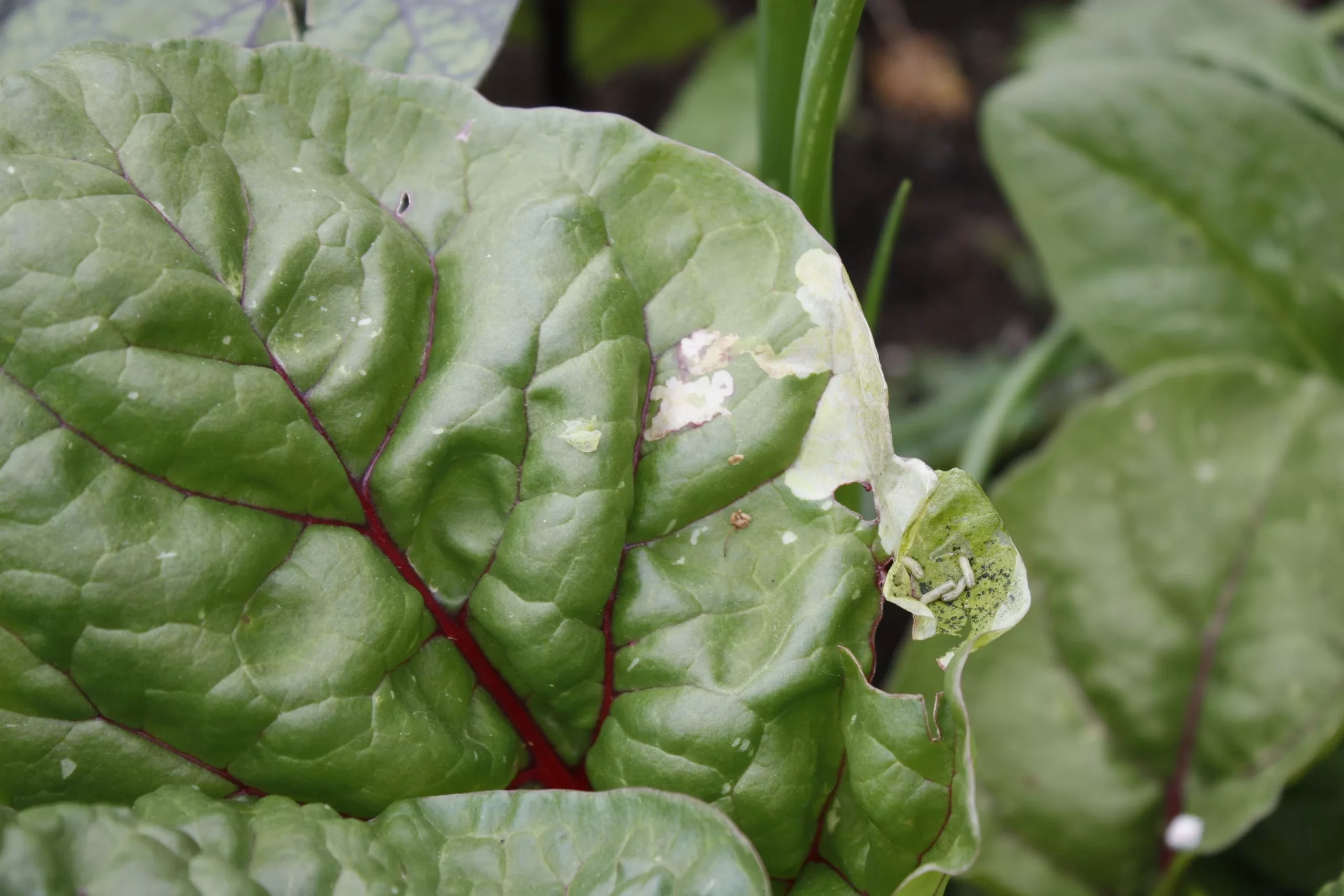
The most common pest that you have to deal with on broccoli is the cabbage moth. The worms of the cabbage moth are so camouflaged that they are nearly impossible to see, however their damage is quite noticeable. The easiest way to prevent cabbage worms is by covering your broccoli in insect netting, making sure that the netting doesn’t rest on the broccoli, but is a couple inches above it.
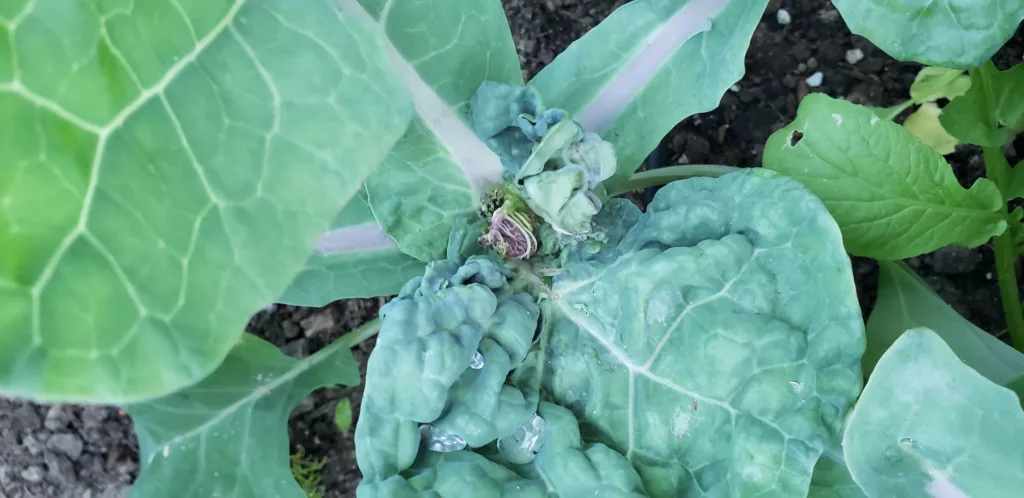
In parts of Ontario, and the northeastern US there is a pest called the swede midge. It’s a nearly invisible pest that mainly travels by wind and is relatively new in Canada (since 2000). It attacks brassica crops and when there is damage to broccoli it causes blindness. Blindness in broccoli is when the head of the plant never forms. You can see damage in the photo above, where instead of the head forming, there are small deformed leaves in its place. This, along with lines of damage on the inner spines of the leaves are indications of swede midge damage. If you find swede midge damage in your garden, the best option is to avoid planting brassica for a few years. You can try to grow them under insect netting in a different garden bed to try and avoid future damage, but if the issue persists you will need to avoid planting it for a few years.
Saving Seeds
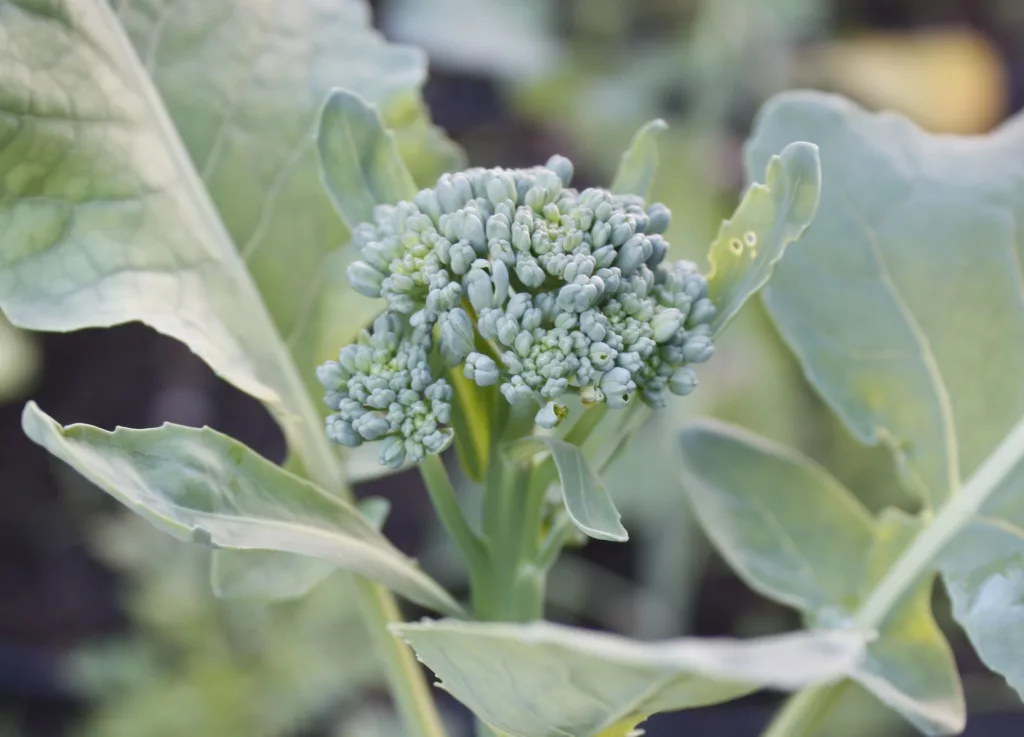
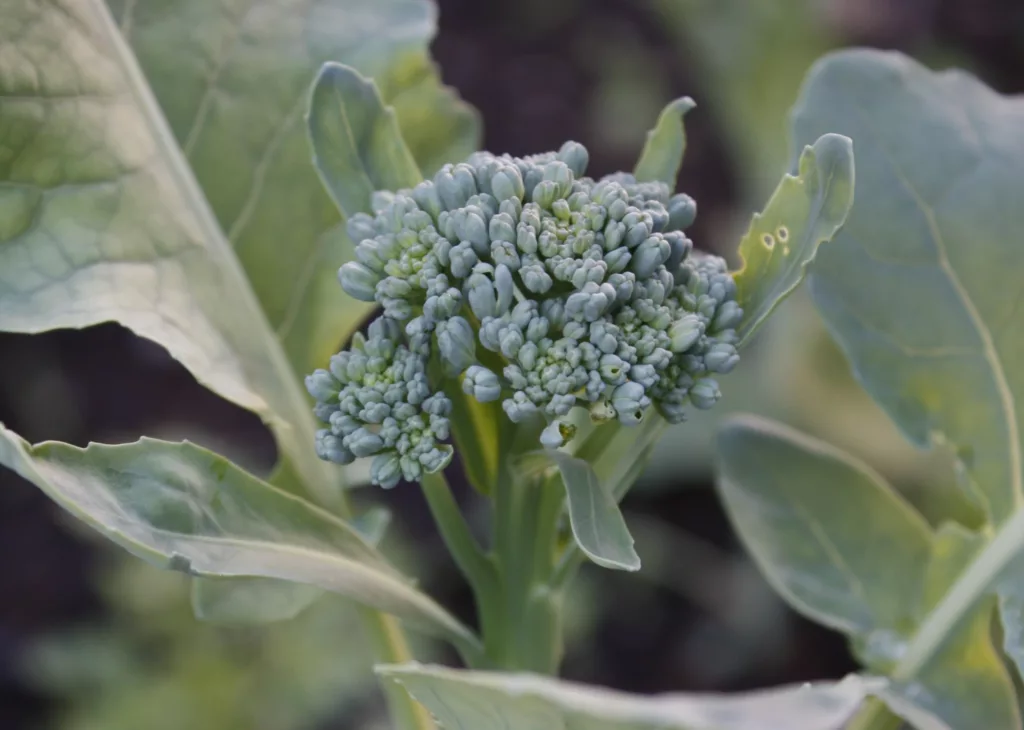
Saving seeds from broccoli is super easy, as long as you have a good broccoli to save from. If your broccoli went to seed because of heat stress, it’s not a good plant to save from. However, if you had a good season of broccoli harvests and you want to collect seeds at the end of its season, it’s very simple to do. If you notice in the photo above, the florets of the broccoli head are no longer tight and are starting to resemble flower buds. As a broccoli goes to flower, the stem starts to stretch out and each of the flower heads will also stretch out and open into small, yellow flowers.
Once the pollinators have done their job pollinating the flowers, long slender seed pods will appear where the flowers once were. Wait until the seed pods have dried and browned, and from there you can save seeds! Make sure to properly label them, then store them in a cool, dark place for your fall/spring crop or next season!