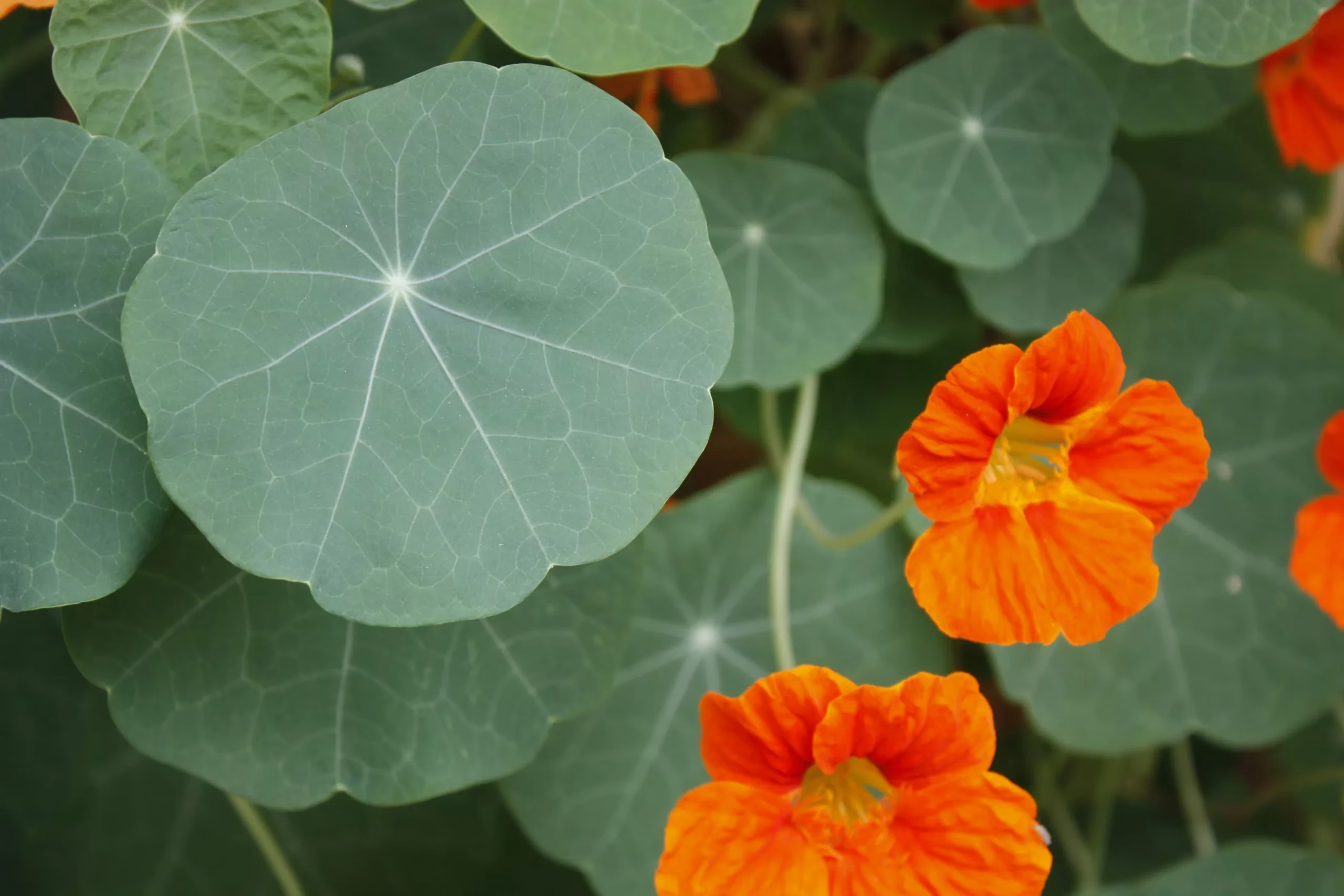
Nasturtium is an amazing plant to include in your garden and I recommend every gardener include it in theirs. It’s a vigorous grower, easy to maintain, looks beautiful and is completely edible! In this article you’ll learning everything you need to successfully grow nasturtium, including ways to eat it.
A Quick Summary
Nasturtium is often grown as a trap crop, meant to distract pests from other plants. In our experience, nasturtium has never trapped a thing! But that doesn’t make it not worth growing. Nasturtium can handle cool weather, making it an early plant to start, it’s entirely edible, and the varieties are so diverse there’s something for everyone.
Varieties

Disclaimer: Our website is reader-supported. Some links may lead to affiliate websites that help support the work we do.
A few years back, nasturtium was just gaining popularity. At the time there weren’t many varieties available on the market, however, slowly more varieties have been coming out and we are so here for it! The most common variety is the yellow and orange Jewel mix, but new options have come out like variegated leaf varieties such as Tip Top Alaska, dark leaf varieties like Baby Rose, and variegated blooms such as Bloody Mary. Varieties such as the Jewel Mix can be grown cascading out of your garden, or even up a trellis. While other versions like Baby Rose are more compact and grow bushy. Choosing your variety will depend on how you want to grow it, along with the colour selection.
Sun & Soil Requirements For Nasturtium
Nasturtium is a very low maintenance plant. It can handle different levels of light from part sun to full sun, however the more hours of light they receive, the more blooms they’ll have. Nasturtium is not too picky with the soil quality it grows in, it will grow in garden soil but will also grow in poorer soils.

How to Plant Nasturtium Seeds
Nasturtium is one of the easiest plants you can grow. It’s a surprisingly popular plant to purchase at seedling sales but I recommend planting your own seeds because it’s a way more affordable option, plus you can choose your preferred variety.
Nasturtium can handle cool temperatures around the 0°C mark which means you can plant seeds earlier in the spring. If the daytime temperatures are around 10°C, you can direct sow seeds because they are quite hardy. We have sown seeds in the garden, and experienced two hard frosts where nights dropped to -10°C and the seeds still germinated once the temperatures rose back up. So don’t let some cold weather scare you from planting.
The easiest way to grow nasturtiums is to direct sow the seeds directly in the garden. This saves space in your house and allows the rain to maintain your plants for you. However, if you wish to start them indoors, they can be started 2-3 weeks before your last frost.
Caring for Seedlings
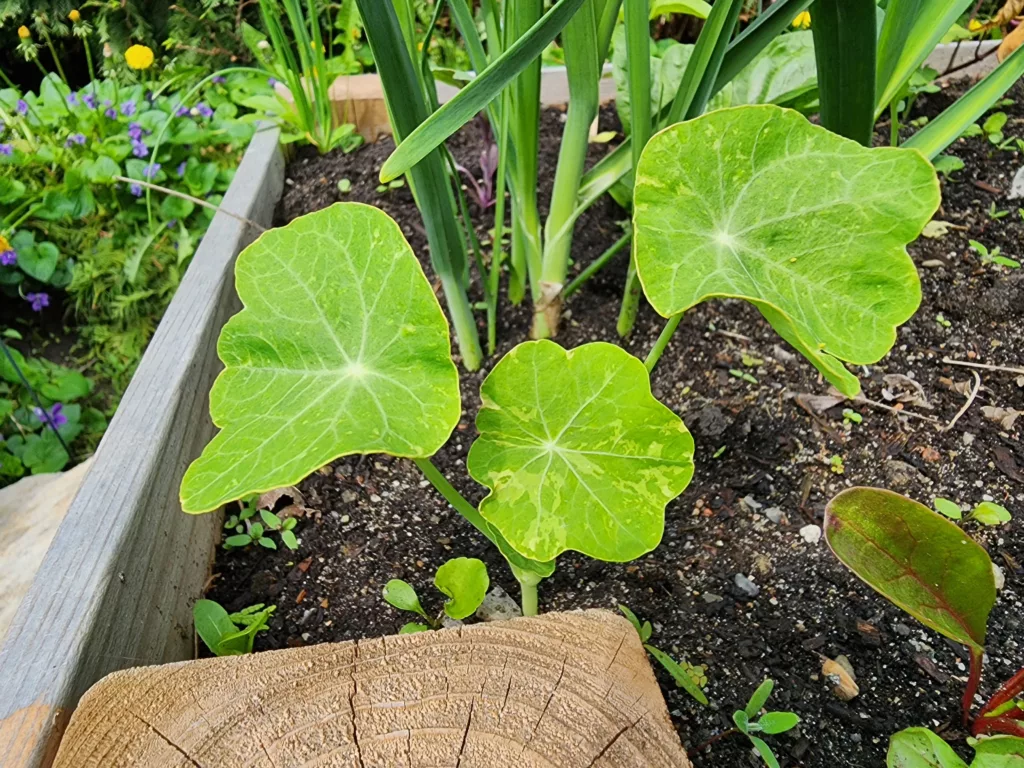
If you planted seeds directly outdoors, make sure to keep the soil moist until the seeds have germinated, and then water every few days when the soil dries out.
If you’re growing indoors, start your seeds 2-3 weeks before your last frost. Plant the seeds in 2 inch pots, at a depth that is 2x the size of the seed. Keep the soil moist, but not too wet until the seeds germinate. Once the seeds have germinated, place them under grow lights.
Continue your garden learning:
- 5 Tips to Know When to Harvest Any Vegetable
- I Was Wrong About Crop Rotation – Let Me Explain
- Drowning in Tomatoes? Here are 11 Ways to Use Your Harvest!
- 8 Tips to Build Healthy Soil (When Yours Sucks)
- Drowning in Zucchini? Here are 11 Ways to Use Your Harvest!
Planting Guide
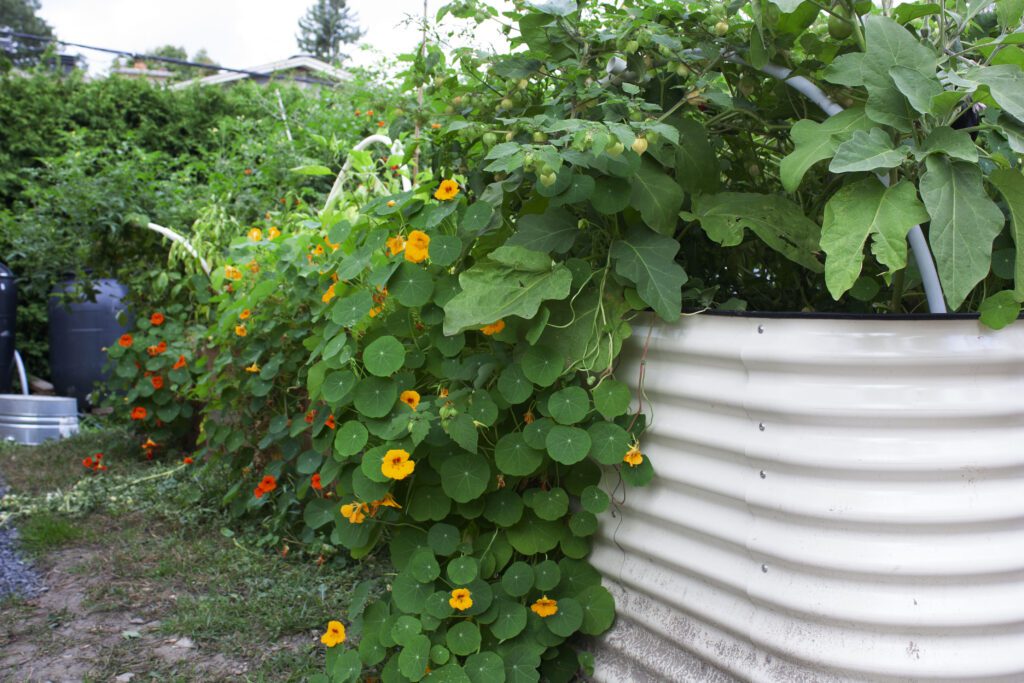
Some varieties of nasturtium grow vines that like to either climb or crawl across the garden. Whether you are direct sowing, or planting seedlings out, if you’re growing this variety you’ll want to plant them near a trellis, or on the edge of a raised garden, for it to spill over the garden bed. If you’re growing a compact or bushy variety, I still suggest planting on the garden edge because they don’t grow super tall making it easier to harvest the leaves and enjoy the flowers.
If you’re planting seedlings that were started indoors, make sure to harden them off, and then plant them out after all danger of frost has passed.
Watering Nasturtium
Nasturtium isn’t an overly picky plant. Water them regularly with your other garden plants. Since they are quite low maintenance they can handle a missed watering.
Harvesting
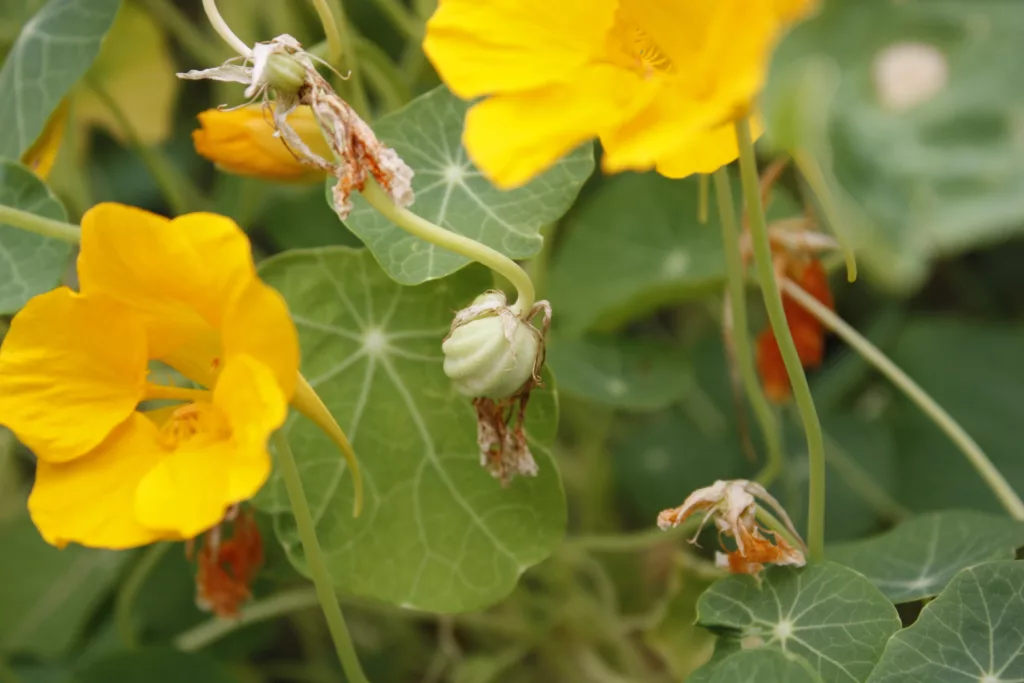
The fun part about nasturtium is that the entire plant is edible. The flowers, leaves, stems and even the seed pods are all edible. When harvesting, try not to harvest more than 1/3 of the plant at a time, however you can take what you need from the plant.
If you choose to harvest the green seed pods, this means that you won’t be able to save seeds from the plant, so you’ll want to balance the two if you wish to harvest seed pods and also save seeds.
Ways to Enjoy Nasturtiums
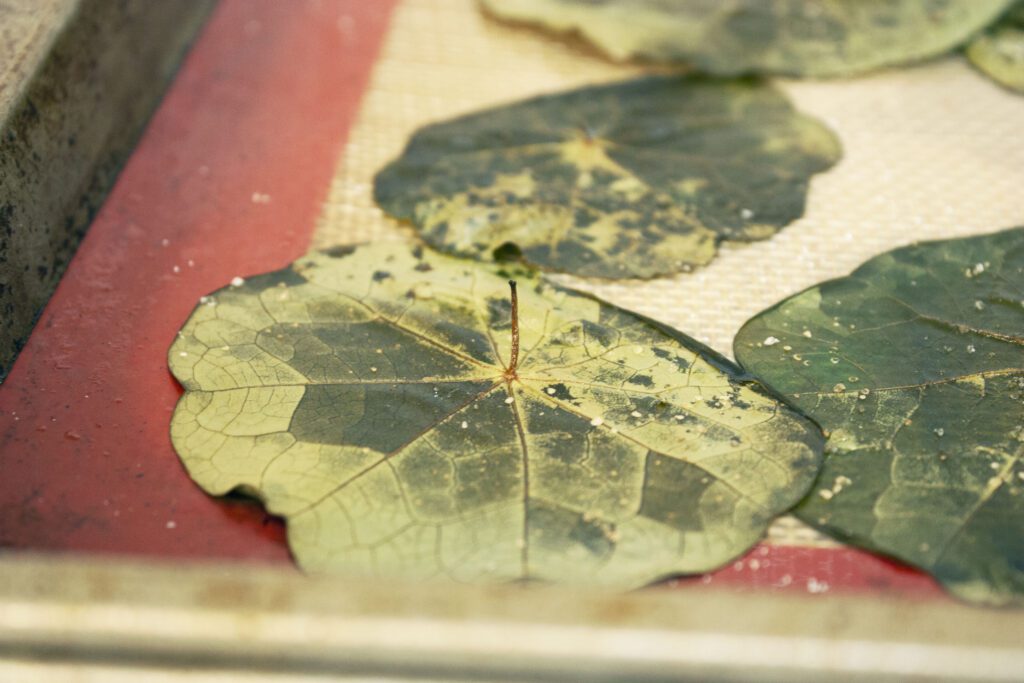
There are quite a few ways you can enjoy nasturtiums! The first is making nasturtium chips (similar to kale chips), you can enjoy them fresh in salads (even the flowers), and another option is to pickle the green seed pods, similar to capers.
Common Pests & Problems
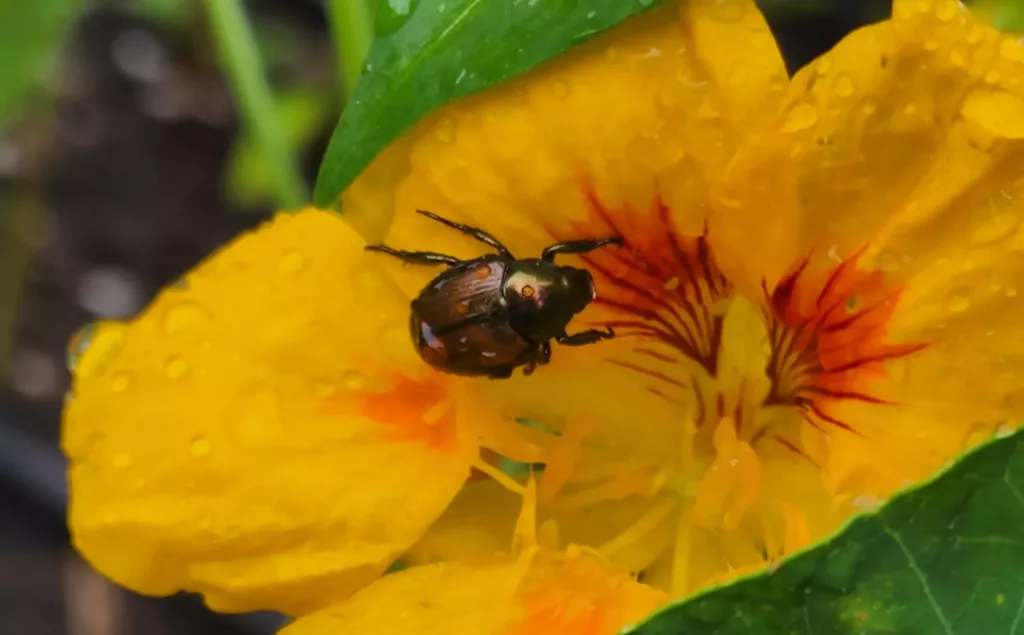
Nasturtiums are most often planted as trap crops, meaning they’re planted purely to be eaten by pests in order to distract them from higher value crops. However, in our experience, we’ve almost never seen a single pest on our nasturtiums! They are almost always pristine!
The insects or damage that we have seen on nasturtiums has been leaf miners, Japanese beetles, and sometimes cucumber beetles. However, overall we’ve only ever seen insects visit the flowers, but never damage the plant.
Saving Seeds

Saving seeds from nasturtiums is super simple, especially because the seeds are quite large. When the seeds are young they’re green, and this is when you would harvest them to eat. As they dry out they transition from green to yellow to brown. The dried brown seeds often will fall off the plant so you may be harvesting them from the garden or ground around your plant, but otherwise you can harvest them directly off the plant. Either plant these seeds for a second round of plants, or store them in a cool, dry place for next season.
And that’s everything you need to successfully grow nasturtium!