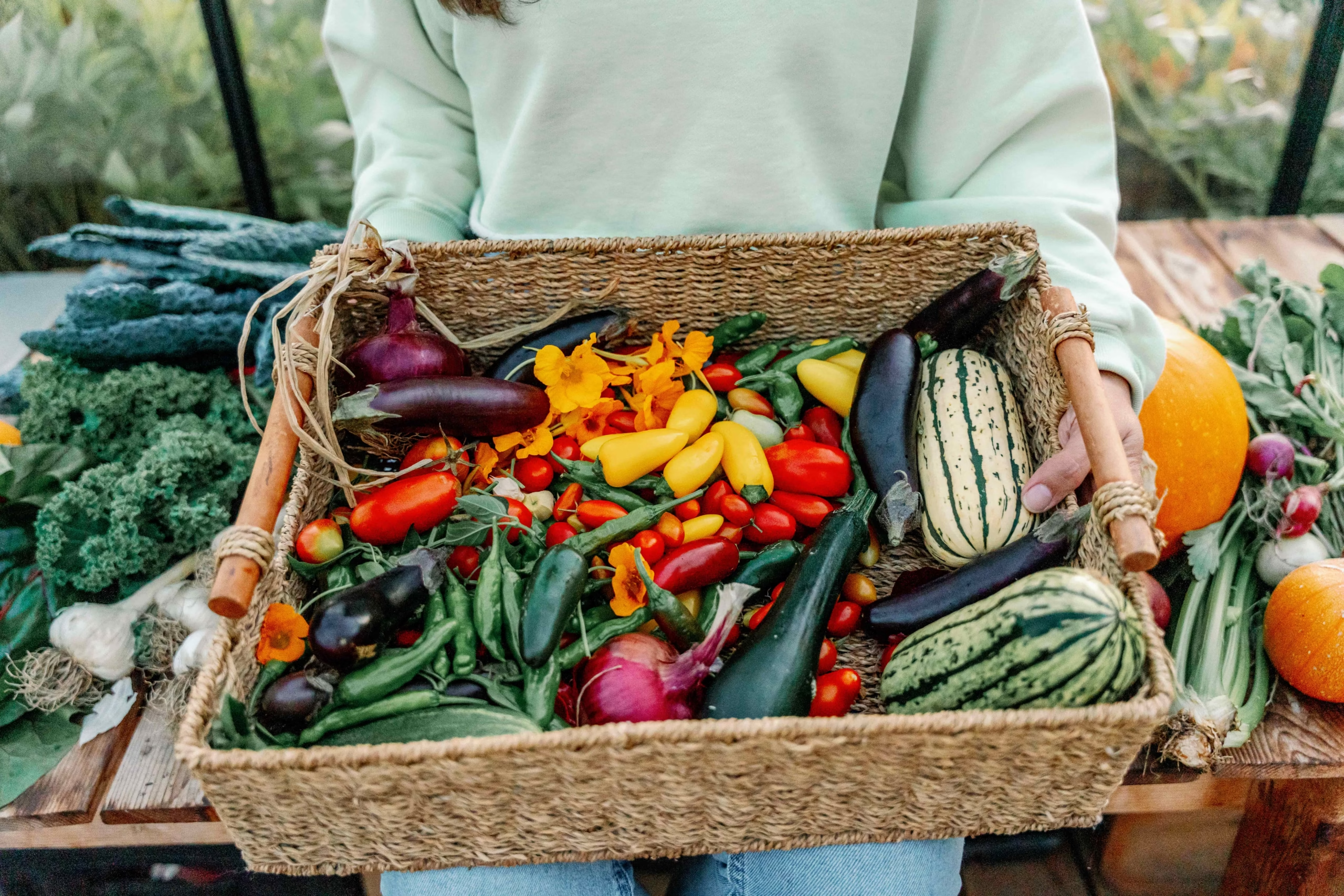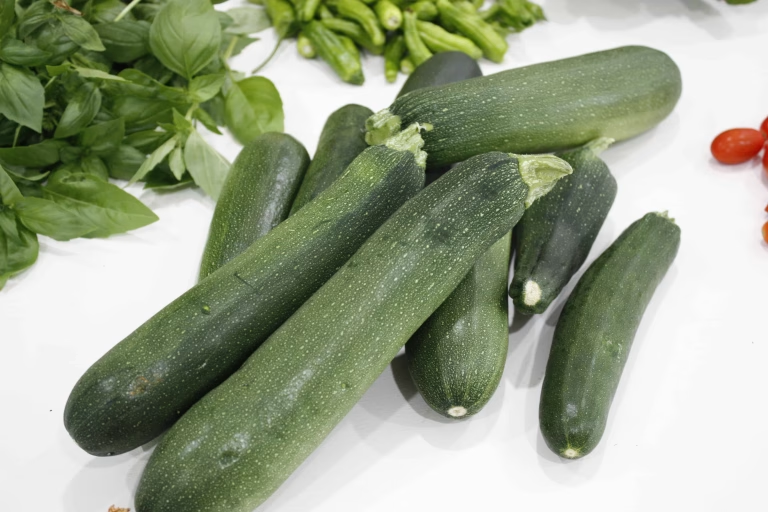
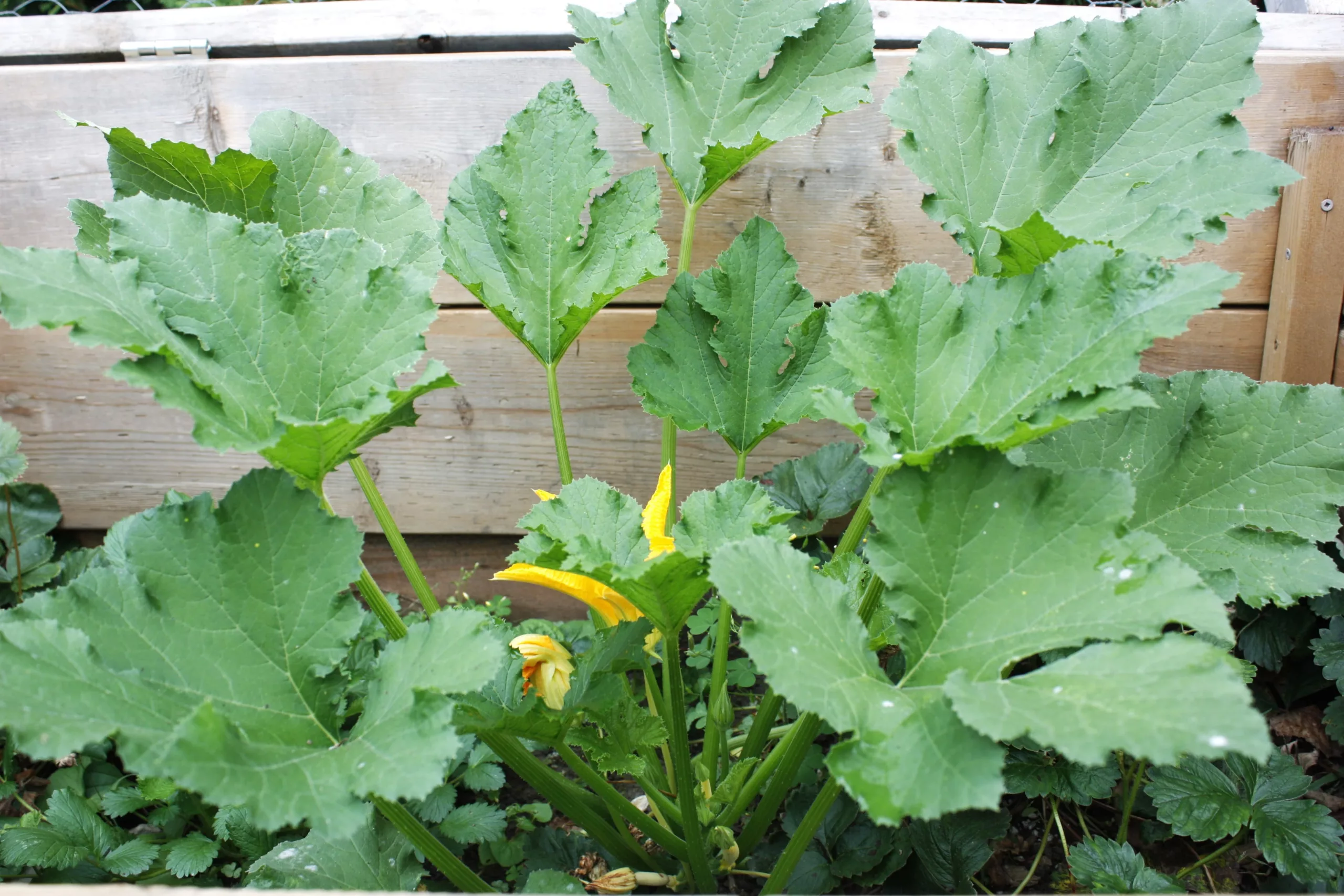
Zucchini is one of the easiest plants to grow from seed and is our absolute favourite to grow. It’s one of those plants that takes up a lot of space, but gives a harvest that makes it worth it. There’s a joke that says “lock your car doors it’s zucchini season” – because people are drowning in so much zucchini they just stick it in other people’s cars for them to deal with. That massive amount of harvest is why we love it so much.
A Quick Summary on Zucchini
Zucchini is a vegetable in the cucurbita family, often called summer squash that has a quick days to harvest, anywhere from 35-55 days. They love full sun, require pollinators to make fruit, and are great for beginners. Zucchini is susceptible to some fungal and bacterial issues, and is the target of the squash vine borer. Overall, it’s a great plant to include in your garden.
Zucchini Varieties
Our blog is reader supported. Some of the links in this article are affiliates that earn us a small commission at no extra cost to you.
There are quite a few varieties of zucchini available. There is the classic green zucchini, a yellow variety, light green and even ribbed fruits. They also have zucchini that grow in small ball shapes.
The yellow zucchini varieties tend to grow thicker skins in comparison to the green varieties, so they are best picked smaller. We recommend the Yellowfin Organic variety to grow. For the classic green, one of the most common varieties is Black Beauty, and another popular variety is Romanesco.
There is also a new variety on the market called Ola Escaladora which is meant to grow vertical or on a trellis as a form of a “space saver” or to not have to bend to pick the fruit, however the plant can easily grow 20’+ and it only gives off 1-2 fruit per foot so I’ve found it to be a space hog with not much output and wouldn’t recommend it. However, it is interesting to try out if you enjoy growing vertical.

Sun and Soil Requirements for Zucchini
Zucchini plants prefer full sun (6+ hours), and want fertile soil. Ensure you water your zucchini plant regularly and fertilize it if your soil was not topped up with organic matter in the spring.
How to Plant Zucchini Seeds
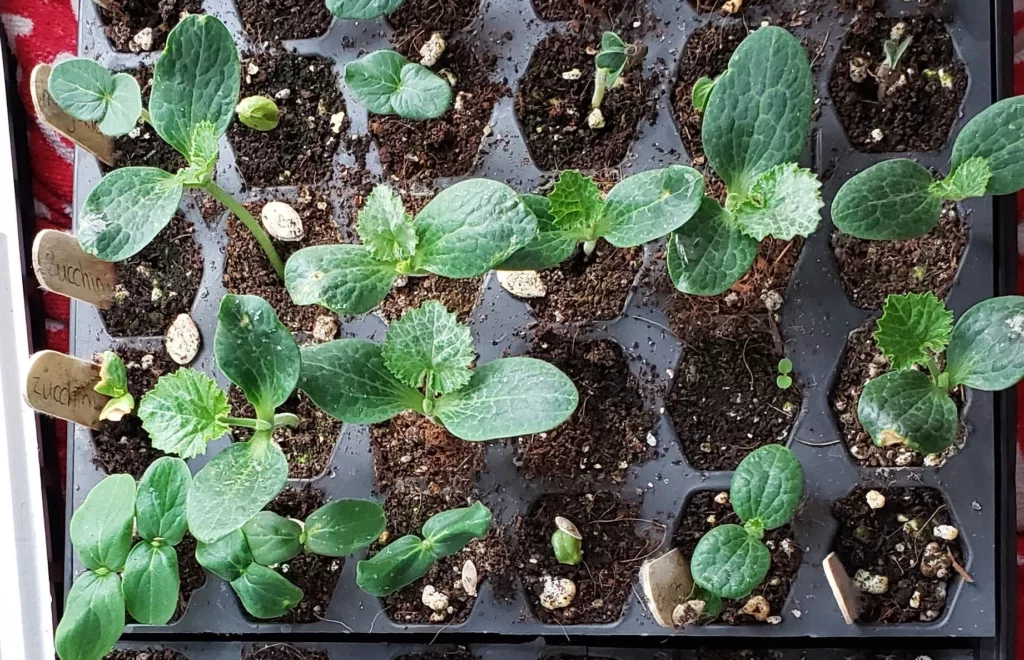
Zucchini plants are simple to grow from seed. The seeds are large making it a great plant for beginners, those with motor issues or for planting with children. The seeds germinate quickly, and the seedlings will grow at a fast rate. Be prepared to pot them up in a larger pot regularly, and don’t start them too soon. Only start your zucchini indoors 4-5 weeks before your last frost.
Caring for Zucchini Seedlings
Zucchinis are a hungry plant, so it’s important to plant them in nutritious soil. Once the seedlings have grown their first true leaf, move them from the seed starting soil into a potting soil with nutrients. Be watchful of the plants to make sure they don’t outgrow their pots and upgrade them when required. Water the seedlings from below to help promote roots growing downward, helping build a strong root ball.
Continue your garden learning:
- 5 Tips to Know When to Harvest Any Vegetable
- I Was Wrong About Crop Rotation – Let Me Explain
- Drowning in Tomatoes? Here are 11 Ways to Use Your Harvest!
- 8 Tips to Build Healthy Soil (When Yours Sucks)
- Drowning in Zucchini? Here are 11 Ways to Use Your Harvest!
Zucchini Seedling Planting Guide
Zucchini takes up a lot of space in the garden. Make sure that you plant it in a location that allows it to grow to its full size without growing overtop of other plants. We prefer to plant it on the edge of a garden to give it ample space without overcrowding the rest of the garden. When first planting out the seedlings, make sure to remove any flowers to allow the plant to focus on root growth. Give it a good water once it’s been planted.
If you want to grow your zucchini vertically, add a pole beside the plant and start tying it up as it begins to grow.
Watering Zucchinis
Zucchini prefers regular waterings to grow. Make sure to give it a good, deep water at the roots every few days.
Zucchini Plant Maintenance
If your zucchini is growing large and taking over your garden, you can prune the leaves off of your plant as required. This allows for good airflow while preventing the plant from taking over your garden.
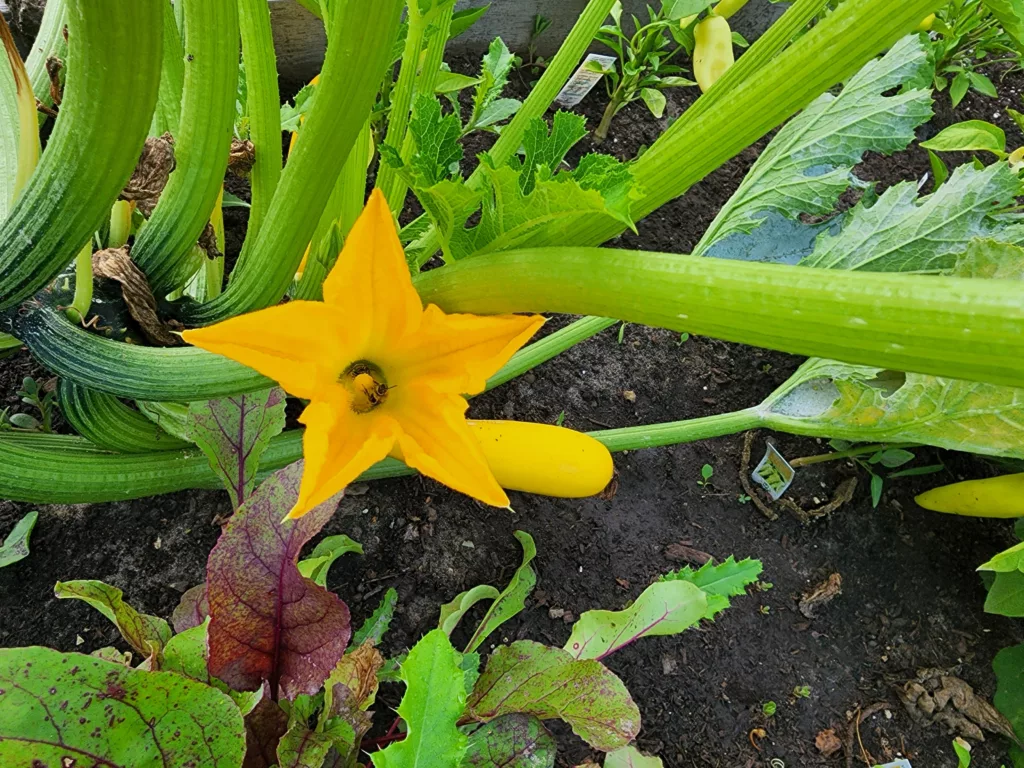
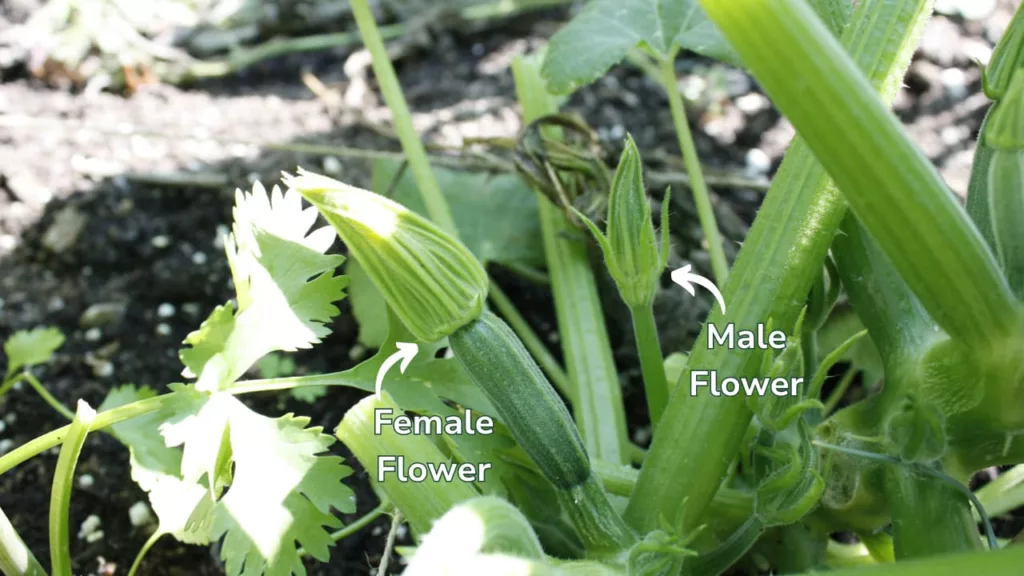
In terms of growing fruit, zucchinis have both male and female flowers, and it’s required for a male flower to be open at the same time as a female flower to successfully pollinate.
If you’re growing multiple plants and one plant has a male flower, while the other has a female flower open, they can be pollinated across plants. If you’re concerned about the pollinators not finding the flowers, you can hand pollinate. To do this, the first thing is to make sure the male flower has fully developed and has pollen in it. Next, pick the male flower off the plant, peel the petals off until only the centre of the flower (the stamen) is left and rub that on the inside of the female flower. This guarantees that your female flower has been pollinated and you’ll be harvesting zucchini not long after!
Harvesting Zucchinis
Zucchini fruit grows really quickly. Zucchini tastes best when they’re small and tender, but you can wait until they get to 30cm in length and harvest them. If you wait for the squash to get larger, the skin will be thicker and the flesh will resemble more of a winter squash. The more frequently you harvest, the more the plant will produce.

Ways to Enjoy Zucchini
Zucchini is incredibly versatile! There are so many ways you can cook zucchini, or even bake it. Here are a few different ways to enjoy zucchini: fried with other vegetables, fritters, fried zucchini flowers, zucchini bread, and even as pickles!
Common Pests & Problems for Zucchini
Powdery Mildew
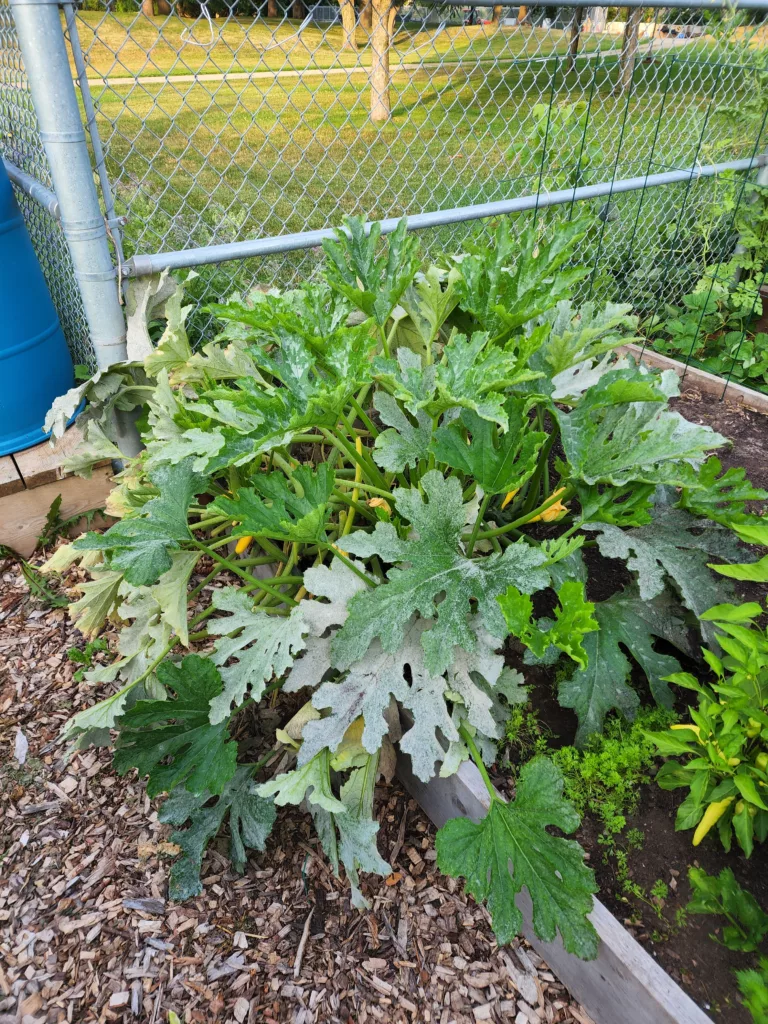
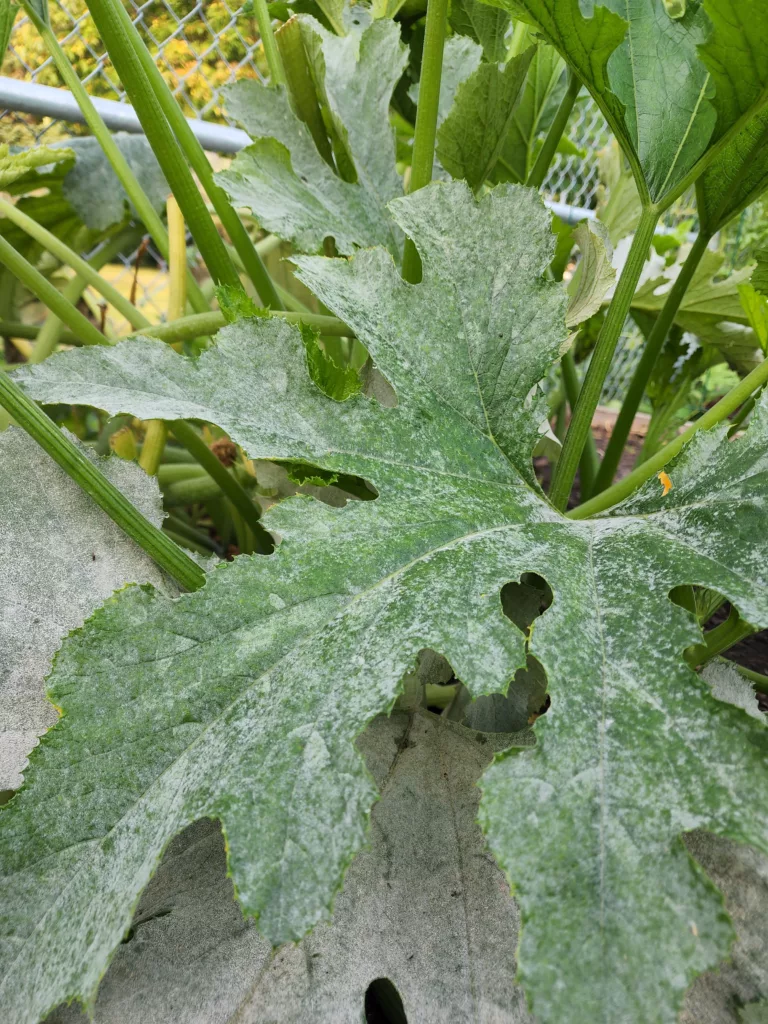
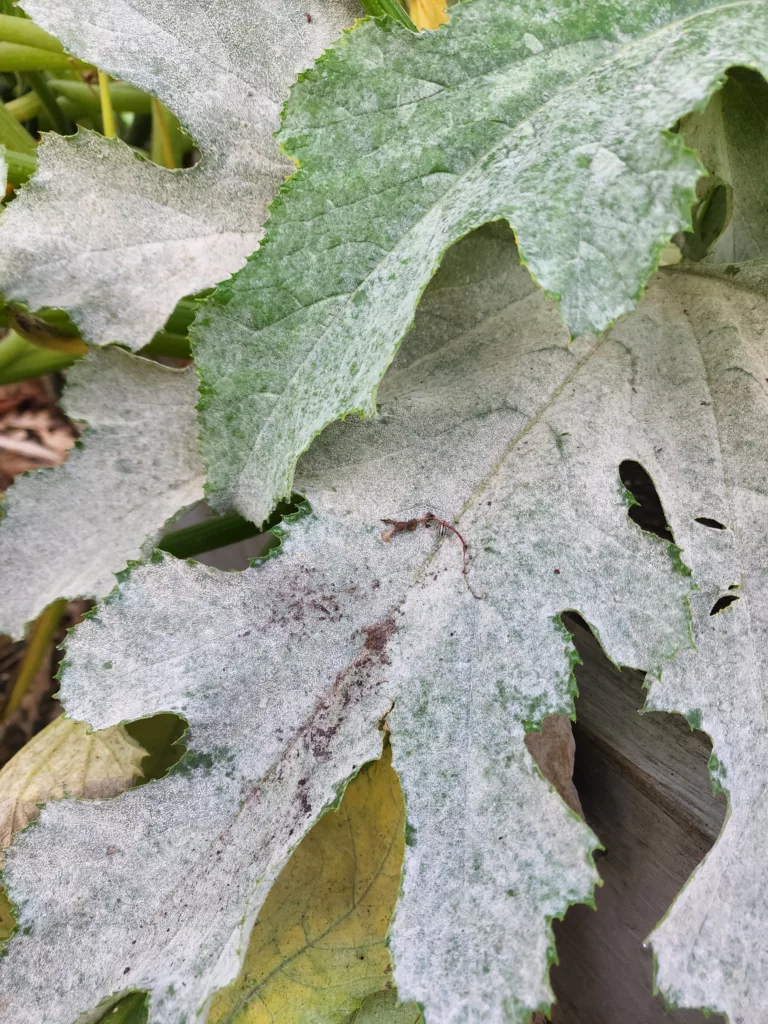
Powdery mildew is a fungal disease that often affects zucchini plants later in the season. If you notice your plants start getting a white, powdery look on your leaves, prune those leaves off and dispose of them. Make sure you clean your pruners before using it on any other plants. Good air circulation and sunlight can help slow it down.
Squash Vine Borer
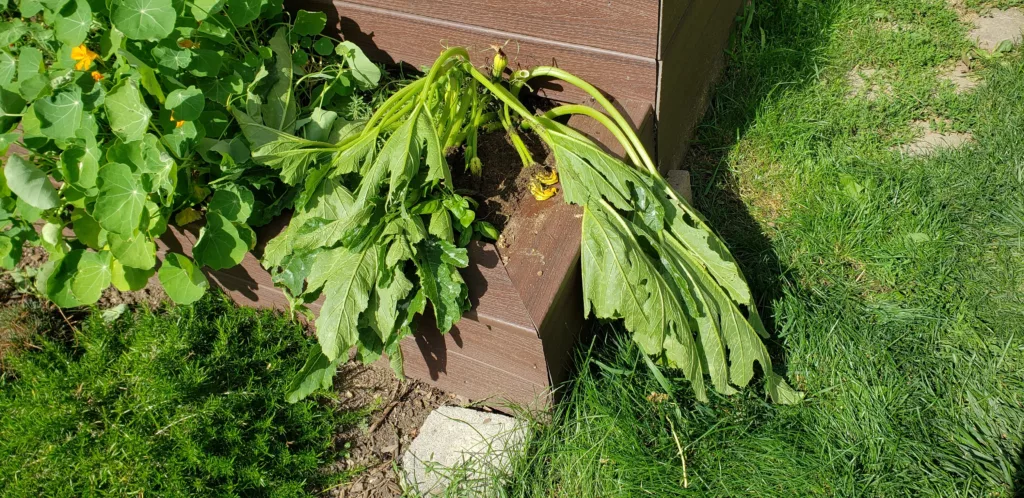
The squash vine borer is the biggest pest of the zucchini. I don’t think we’ve gone a single year without getting vine borers on our plants. The squash vine borer is a daytime flying moth that lays eggs on the base of its host plants. These eggs hatch and the larvae burrow into the stem and eat their way back out. Once your plant gets vine borers in it, its fate is sealed and your plant will die. Planting a second round of squash later in the season allows you to get zucchini from the new plant if the first one dies.
Saving Zucchini Seeds
You can save seeds from zucchini plants, however be careful about what variety you’re growing as a lot of seeds on the market are hybrids and you can’t save seeds from them. If you do choose to save seeds from your zucchini, make sure that it wasn’t planted too close to other types of squash as they can cross pollinate.
When saving seeds, allow the fruit on the plant to grow to full size (which will be big!) and let the skin get hard and turn orange. Remove the fruit from the plant and cut it open. The seeds need to be fermented in order to be saved, so add the seeds to a bowl with some water, cover it, and let it sit for 1-2 days. The mixture may smell since the goal is to ferment the seeds a bit, but once the seeds are smooth and dry they are good to be saved. Lay them on a plate to dry and flip them one time so they don’t stick to the plate. Store them in a cool, dry place over winter.