
Whether it’s the first time you’ve experienced this, or you’re tired of the same thing happening – damping off is one of the worst things to happen to your homegrown seedlings. You work so hard to grow plants from seed, you water them, watch them every day and they look like they’re growing so happily. Then one morning you wake up and BAM. They’re all dead. Every last seedling in a tray is tipped over, floppy and can’t be revived. They’ve died from ‘damping off’.
What is ‘Damping Off’?
Damping off is a gardening term used to describe seeds or seedlings that have died due to a pathogen found in the soil. Seedlings that have died from damping off can also look like leggy seedlings, and even seedlings that are alive but need to be watered, so it’s important to be able to tell the difference.
Seedlings that have died from damping off will be tipped over and floppy. At the base of the stem near the soil line, the stem will be skinny or wilted. It’ll look like someone strangled it at the soil level.
What causes damping off to happen?
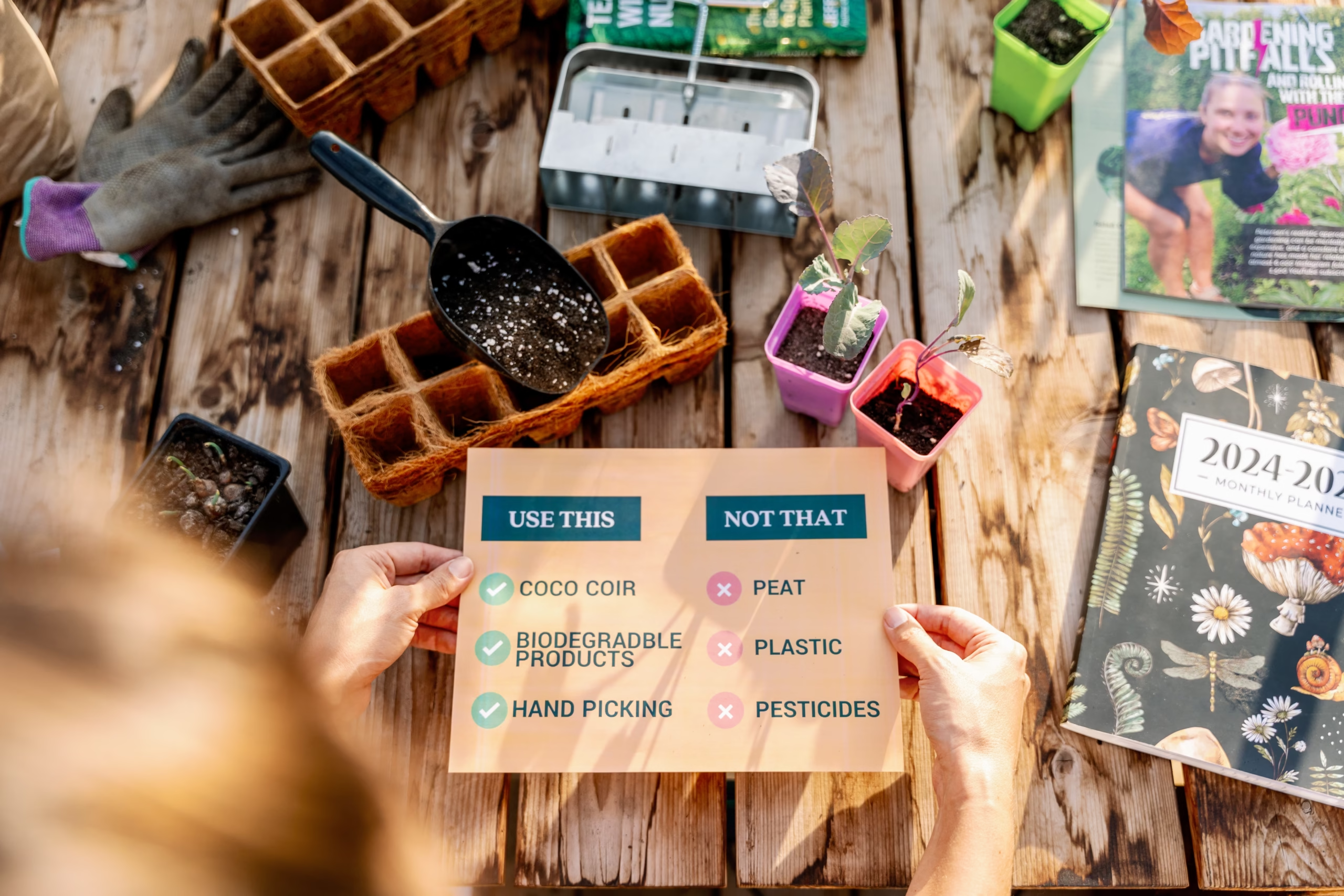
Damping off happens thanks to different pathogens found in the soil, mainly fungi. This is most often caused by non-sterile soil, which is why sterile seed starting soil is so important. Ever since we started making our own seed starting mix we’ve never had to deal with damping off, so if you’re feeling confident, I recommend making your own soil with our peat-free seed starting recipe.

Can you save seedlings that have experienced damping off?
Sadly, no. Once a plant has been exposed to damping off it will die. If you’re new to growing from seed, sowing extra seeds or starting earlier helps because it gives you more plants or more time to start new seeds.
Reducing the spread/damage of damping off
You’re likely here reading this article because you’ve experienced damping off first hand, so reducing the spread might not be possible this time around. But it is possible to reduce the spread for your other seedlings and for any future planting. Seedlings that are grown in moist, humid environments are more prone to damping off than those grown in a drier, more ventilated environment. Ensuring that your soil isn’t too wet and has the opportunity to dry out will help reduce the spread.
Additionally, if you grow with a humidity dome on your plants, it’s important to take it off once 1/2 to 3/4 of your seeds have germinated. This will help with air flow and reduce the spread of any pathogens. Finally, using a sterile soil mix (don’t take any soil from outside) will help reduce the chances of damping off.

How to prevent damping off in the future
The good news is that damping off tends to be a more common problem for beginner seed growers. As you gain experience, the likelihood of damping off goes down.
Switching your watering to bottom watering, where you pour water into trays rather than directly on the soil will help you water better. About an hour after watering pour any excess water out of your trays. Don’t water again until the top of your soil begins to dry out (but don’t let it get too dry).