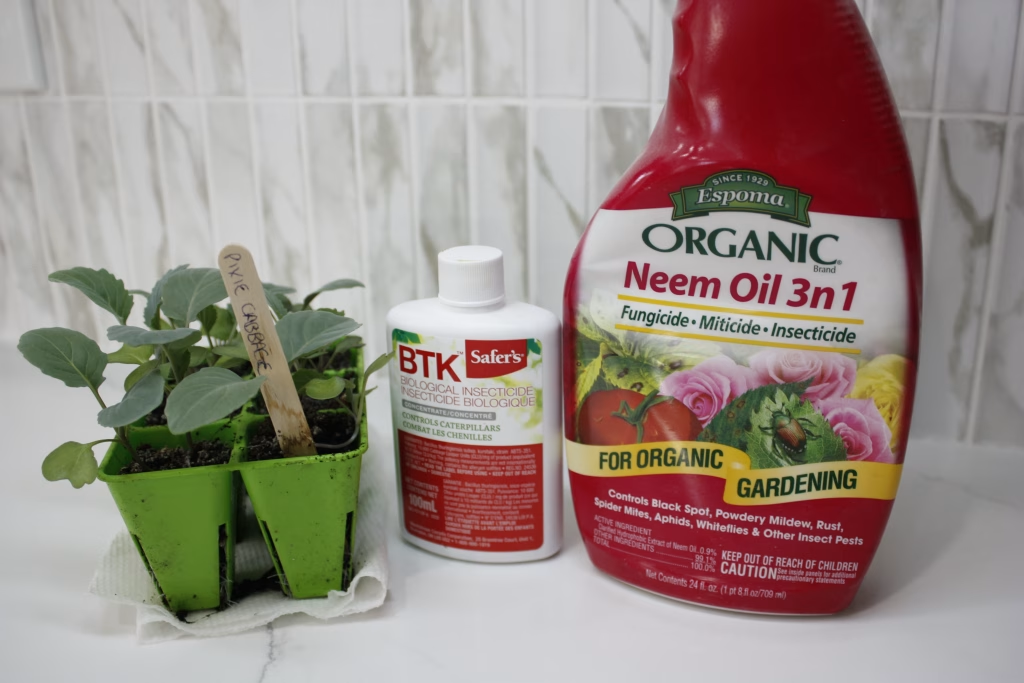
Many home gardeners, at some point in their growing career question if they should use organic chemicals. Or maybe you’ve already tried organic chemicals on your vegetables, fruits or other plants in your garden or lawn. While pesticides as a whole are often frowned upon in the home or organic garden, organic pesticides are still used, a lot. Commonly used, and suggested, chemicals include BTK or diatomaceous earth.
The trouble is that if you use these products because someone else uses them, or they told you to use them, you don’t actually know the harm that these chemicals cause to insects, mammals, birds or amphibians (organic or not). And often a lot of these products are sold to you as safe, when that isn’t necessarily true. In fact there’s even brands that use the word ‘safe’ in their company name. But there’s a reason that even organic farmers use these chemicals as a last resort (and turn to integrated pest management (IPM) instead).
When it comes to your home garden and lawn, the goal should be chemical free, and not organic. Because the truth is that these chemicals can still harm you and your pets, and will definitely harm so many non-targeted living beings that use your garden.
What are Pesticides, Herbicides, Fungicides and Insecticides?
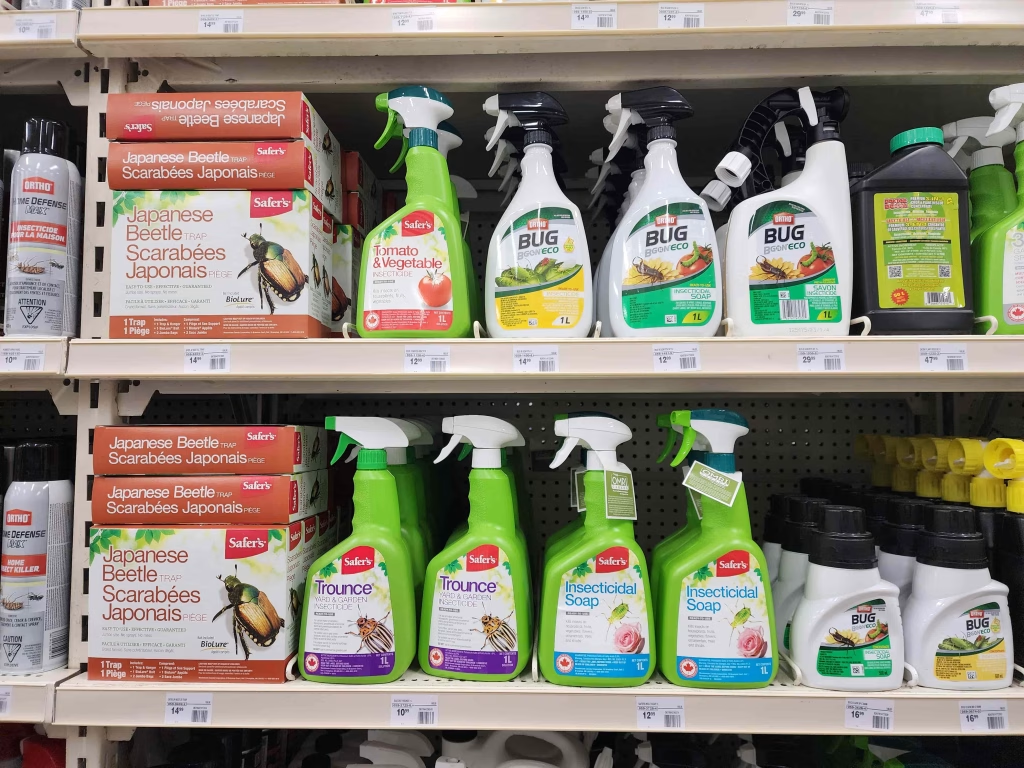
Pesticides is the overarching term that includes herbicides, insecticides, fungicides and other chemicals that are used to deter or kill pests. These can be synthetic or organic, and can include chemicals to deter animals as well as insects.
Herbicides are the main pesticide that is sprayed, and this is used mainly to control weeds. They can be sprayed in gardens, on farms and often on lawns.
Fungicides are pesticides that target fungi and their spores. Some examples of plant issues related to fungi includes powdery mildew and rust. Some seeds are coated with a fungicide to increase their rate of success when growing, however for the home gardener, coated seeds are unnecessary.
Insecticides are chemicals used to kill insects, including the egg and larval stage of insects. These are commonly used in agriculture but are also common in the home garden. Some examples of commonly used insecticides in the home and garden include ant killers and wasp sprays.

The Difference Between Synthetic and Natural Pesticides
Synthetic pesticides are man-made chemicals that are created to target pests. These are chemicals that aren’t found in nature (although some are) and are created in a lab (and are often patented).
Natural pesticides are chemicals that are derived from natural sources such as from plants, trees or fungi. They are chemicals that can be found in nature, whether mined or botanically, as many plants have natural chemicals in them as a defense mechanism against pests.
Common Synthetic Garden Chemicals
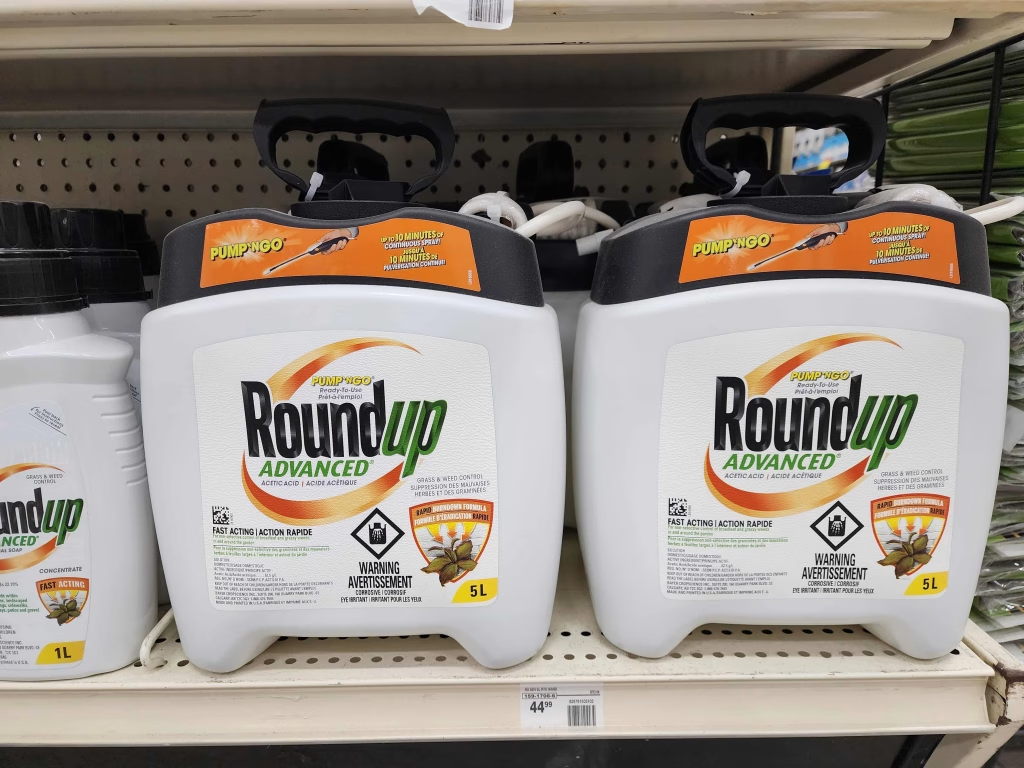
The most common synthetic chemical that people are familiar with is RoundUp. This is an herbicide used to kill weeds. Other common synthetic chemical brands include Raid and Ortho (B Gon series) that are used to kill wasps, ants, and a wide range of other insects.
Common Organic/Natural Garden Chemicals
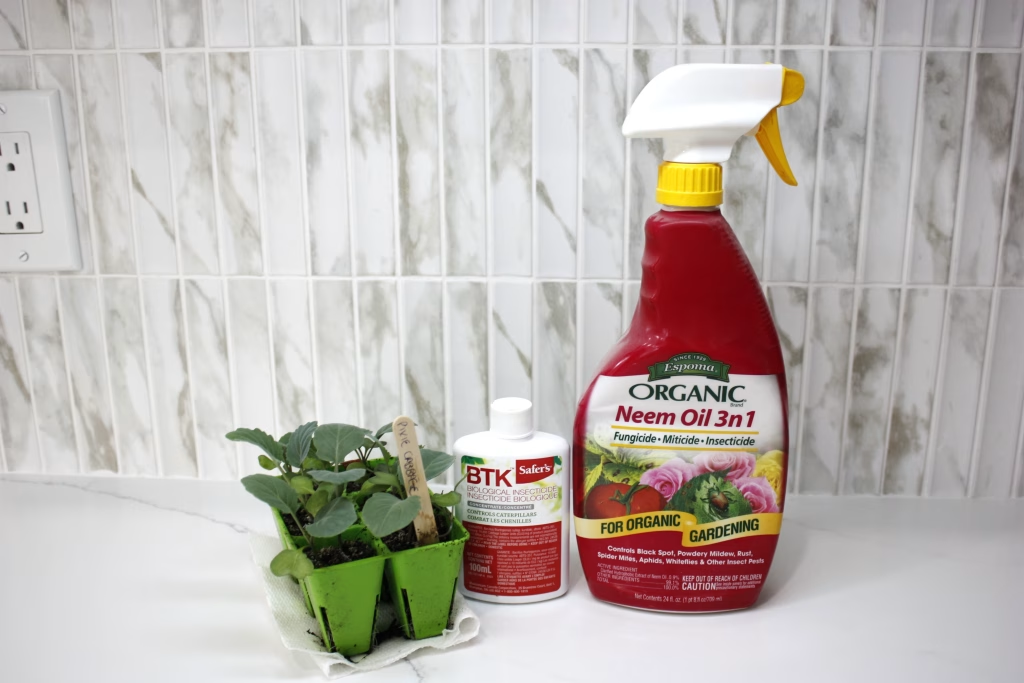
The most common natural pesticide include neem oil, insecticidal soap, horticultural oil, pyrethrins, diatomaceous earth, BT and kaolin clay. These natural chemicals fall under 4 categories of how they’re derived; botanicals, insect growth regulators, microbials, and minerals.
In Canada, neem oil is illegal to buy and use in your home garden. I have no idea how I ended up with a bottle of neem oil in my house or when I bought it but it’s been stored in a basement cabinet for years.
There’s a common misconception that organic or naturally derived pesticides are safe to use, however this isn’t always the case so it’s important that you understand all of the health risks associated with a chemical before you ever use it.
Pesticide Approval for Home Use
I will be posting articles in the future that delve deeper into each of the organic chemicals that are commonly used in home gardens. I’ve been researching each of these chemicals for a while now and while doing my research I noticed a few different things. The first is that many studies of chemicals never provide any information on if they pose a risk or harm to birds, mammals, amphibians or other animals that may come into contact with sprayed plants. For example, many homeowners spray anthills. And they really spray these anthills. But crows will use anthills to help them heal. They will sit on an anthill and allow the ants to climb over them and do what they need to do in a symbiotic relationship. But what if this anthill had been recently sprayed? What happens to the crow? I can tell you I haven’t seen anything along these lines brought up in a government study or chemical study to determine how it affects other animals.
Now, we do need to trust our government, and different agencies when it comes to information that is outside of our skillset. As a community we need to rely on others and not just ourselves. Unfortunately though, there is a lot of financial interest in these chemicals, and with that it means that not everything is done in our best interest (or the birds), but often is done for commercial interest. So when it comes to these chemicals, testing is done for human safety yes, but the time and cost to review how it affects other living beings isn’t always there. As long as these chemicals don’t cause harm to the human population in a way that is easily tied back to the chemical, there isn’t much incentive to keep testing. Its the economics of it all – if these pesticides, organic or not, get approved it affects the greater economy through the purchase of these products and also for agricultural yields.
The other thing I learned while doing this research is that when it comes to harm on pollinators, the EPA tests pesticides ONLY only honey bees – which is not surprising since honey bees provide an obvious economic value. Unfortunately, honey bees are much larger than our native pollinators are so the toxicity isn’t going to be the same. Honey bees also aren’t native to North America so even if honey bees survive and our native pollinators don’t, we’re in big trouble. Thus, if a chemical says it isn’t harmful to pollinators, it actually means it’s not harmful to honeybees which is not the same at all.
Why You Might Turn to Organic Pesticides

The three most common uses of pesticides in the home garden include; spraying weeds in your lawn, killing anthills or spraying wasps nests. All three of these have one thing in common, they feel like an infestation that’s gotten too far out of control. Or, in the case of ants, we seem to have some unknown war against them. If the ants aren’t entering your home, or if any insect isn’t entering your home, why are we outside killing them?
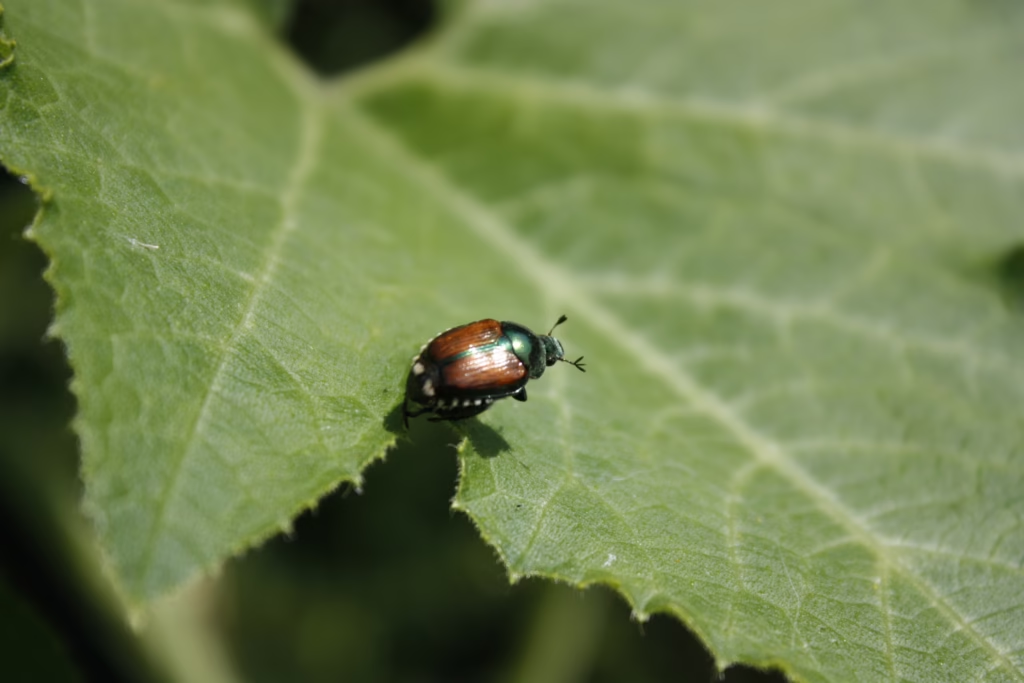
Other common uses for chemicals is to remove cabbage worms, prevent cucumber beetles, or to kill squash vine borers. These are three common garden pests that I see people regularly trying to treat with chemicals (and often unsuccessfully).
Organic Pesticides Are Trickier Than You Think
More often than not, people are misusing organic chemicals. DE for example, is one of the most used – and suggested – organic chemicals. People think it’s harmless and to just use it anywhere. But it degrades in sunlight, becomes useless after rain, and it kills way more insects than your targeted ‘pest’. Organic pesticides work on too many insects, far beyond the one you’re targeting. Organic and synthetic pesticides aren’t as targeted as you might think. So there’s a good chance that you’re using the wrong chemical on the wrong insect, or you’re killing other insects while also killing the target pest.
Much of the information you find online about chemicals are from pest control companies, or even the product brand itself. These websites will tell you how the chemical can solve your problem, but what they don’t include is how the chemical works in the ecosystem and who or what else it actually harms.
Additionally, many of the chemicals only clarify if it’s safe for human health and pets, but never touch on beneficial or neutral insects, birds, bats, amphibians and other mammals.

Why Home Gardeners Should Never Use Organic Chemicals (even if everyone says it’s okay)
It’s important to understand that natural doesn’t mean safe. Just like venom from a snake is natural, it doesn’t make it safe. This means that many, if not most, of the chemicals that are being sold as natural will kill more than just insects. Some of them are dangerous for human health, dangerous for your pets, and can even be toxic to birds, mammals, fish and other amphibians.
The truth is that only 1-3% of insects in your garden are actual pests, the rest are either neutral, or beneficial to your garden. However, these organic chemicals are harmful to more than just the garden pests, which means a lot of insects are at risk of dying when they shouldn’t be targeted at all.
Another concern is that many people don’t even identify the bugs that they want to control. This means they don’t know if the insect is harmful or what the most effective control is for it. Instead they buy something that “seems right” and spray it. And it’s also unlikely that they’re wearing the proper protective equipment while using these chemicals.
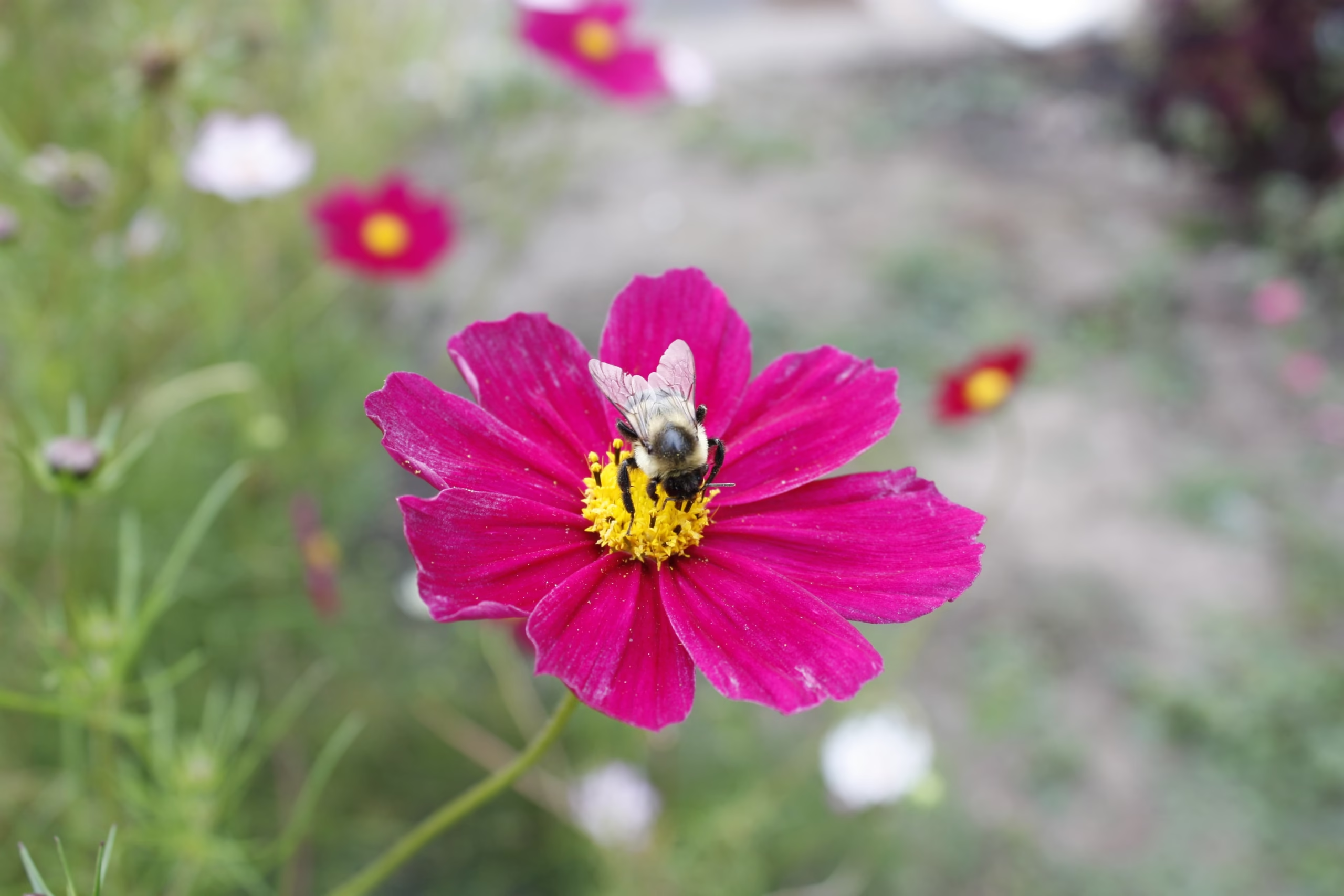
Many of these natural chemicals actually kill bees which are a vital part of our ecosystem, and important in the garden. It’s also very common to kill ants but they’re important in the ecosystem as they aerate the soil and are key to the movement of seeds and plants. Other sprays kill spiders that are never harmful to our gardens and play a major role in keeping pests down. While other sprays kill mites – when there are beneficial mites in our soil that help keep the ecosystem healthy. It’s not hard to see how many insects die as a side-effect to these ‘natural’ insecticides.
Finally, you most likely aren’t growing a garden as your main source of food (as in, you won’t die if something doesn’t produce). Spraying chemicals on your lawn or in your garden, organic or synthetic, is like taking the most nuclear option. The reality is there are way safer options out there that don’t kill or harm animals and insects in the process so these should be your first step. Using chemicals should be your absolute last option, but truly should never be used at all.
Homemade Pest Control That’s Actually Safe
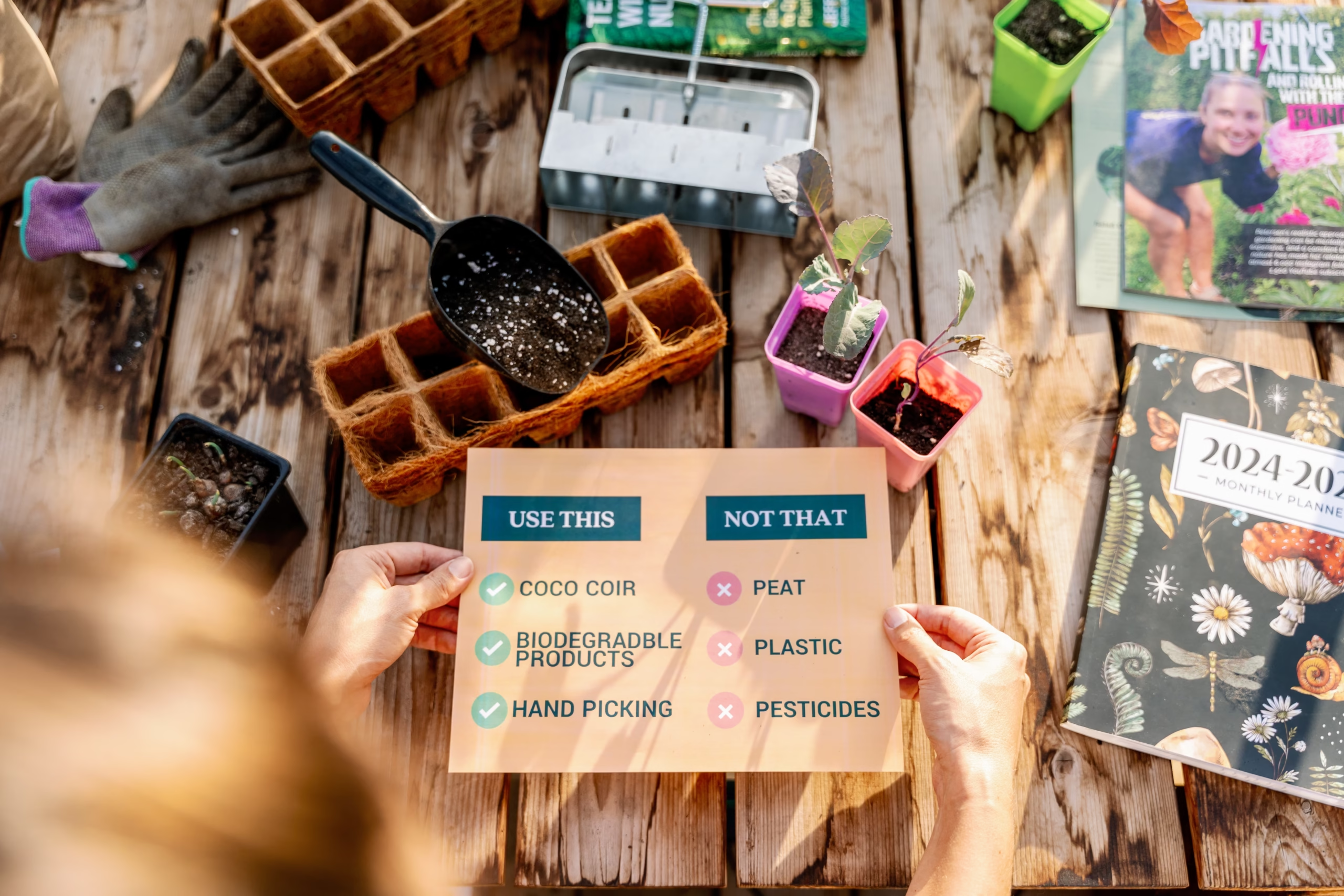
The safest pest control you can make is a soap and water spray. Although this doesn’t work on all pests (like mammals), it works on many. And that’s because insects breathe out of their skin and soapy-water stops them from being able to breathe. This is a non-toxic option that is safe for pets and doesn’t require a mask and a pair of googles. In order to make it safe to use outside, it’s important that you use a biodegradable soap.
Alternative, Better Ways to Manage Pests
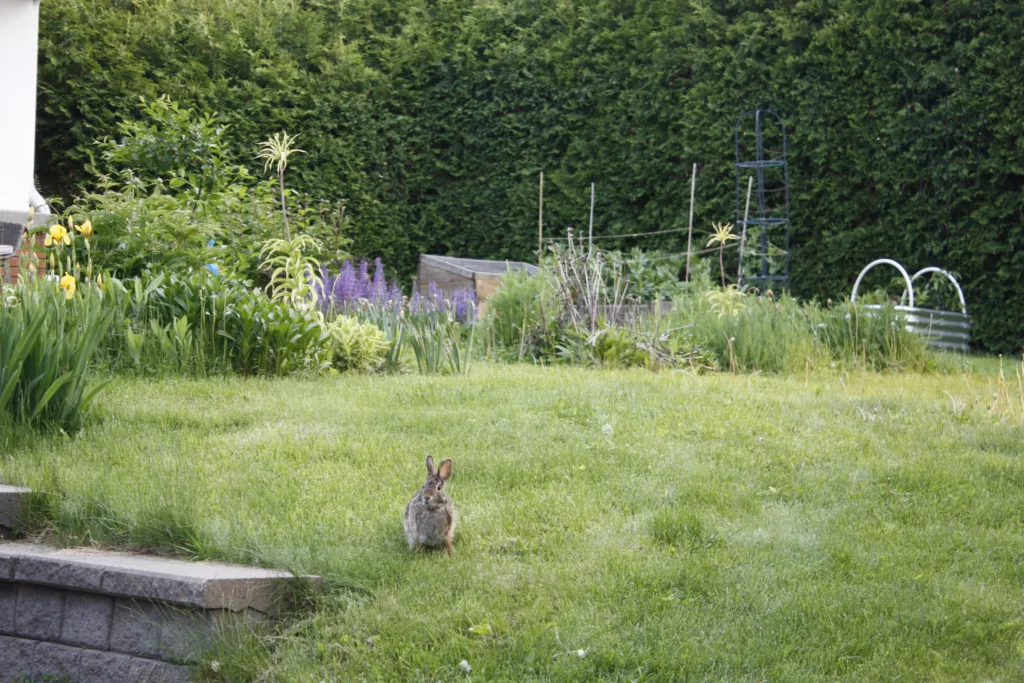
There are multiple ways you can manage pests before ever turning to pesticides. This includes companion planting, using predatory insects, covering your crops with netting, inviting birds onto your property, and using soapy-water.
The reality is, as a home gardener there is never going to be a situation that is so bad that you need to spray chemicals on your garden. There’s no reason to be killing bees, targeting ants, or hurting the soil dwellers who are helping break down your soil. So what, you lose a zucchini plant? Plant another zucchini seed and leave the insects alone to do their job – building soil, feeding birds, and working symbiotically with nature.