Although there are a lot of insects found in the garden, there are some that come out earlier than others – and specifically target your beginning of the season crops. Luckily the list isn’t too long so it’s easy to get familiar with these insects, and they’re also quite easy to manage as well.
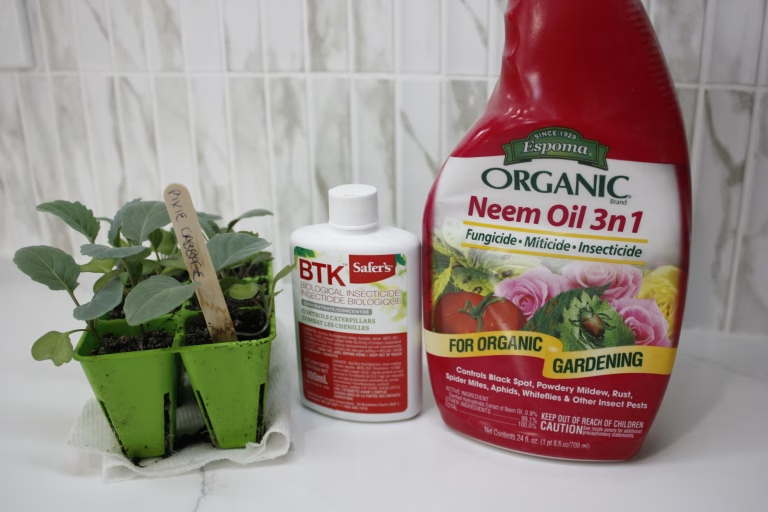
If you’re familiar with our work, you’ll know that we never recommend any insecticides or sprays beyond dish soap. We believe that pests can be managed organically, without the use of any chemicals (whether it is labeled as safe, or not) in order to protect all living beings in the garden. Insects feed those higher up the food chain which means insecticides and other poisons don’t just affect the insect you sprayed. And many chemicals are indiscriminate, which means they will kill any insect that is exposed to them, including bees and butterflies! Finally, organic and synthetic chemicals are a lot less effective than they are marketed to be.
But luckily for you, all of the methods listed below are highly effective at slowing down and stopping these pests!
Leaf Miner
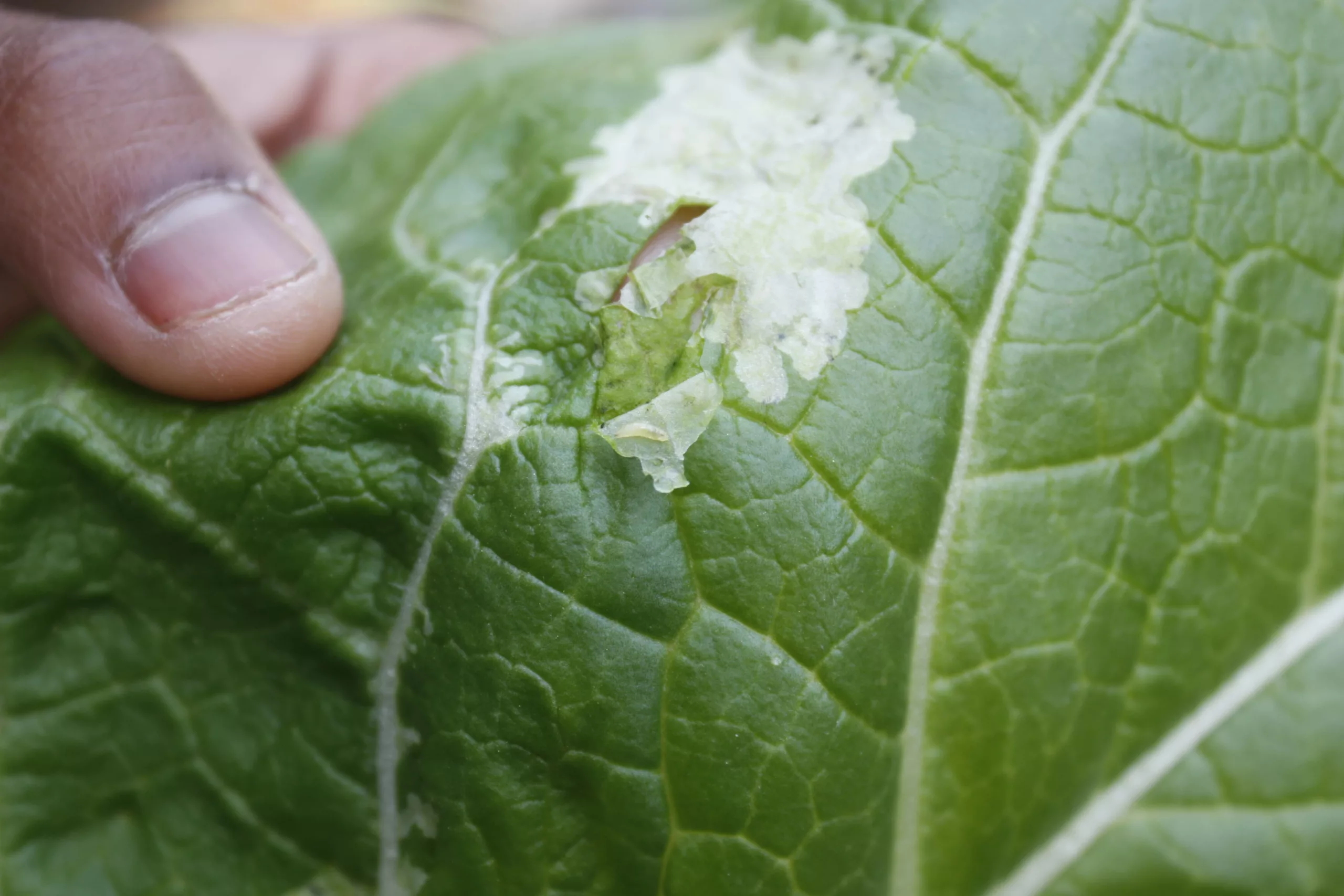
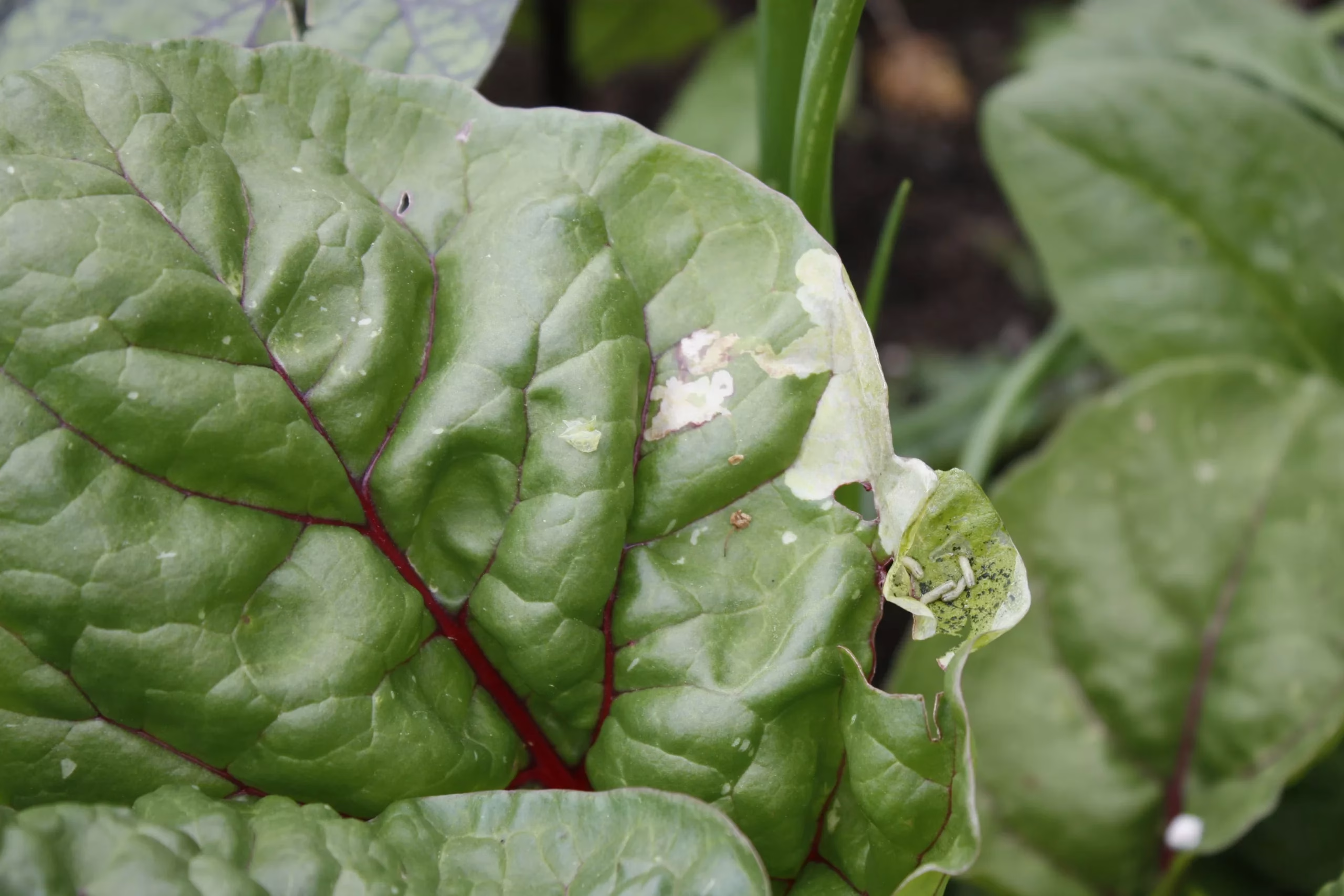
Leaf miners are the larvae of different species of insects that burrow through the leaves of your plants. You can identify them by small maze-like lines through the leaves of your plants, or white/clear spots on leaves. If you are unaware of leaf miners, they can cause major trouble with your leafy greens, particularly in beets and swiss chard, however any leafy plant is fair game for these pests.
Often they are most prevalent in early spring, and are gone by end of June. If managed properly, they will not kill your plant, however they will stunt the growth of your plant if they are not dealt with early on.
The two best ways that we have found to control leaf miners is to remove any leaves that have been severely damaged, and on the remaining plants, look for eggs under the leaves and clean them off. The eggs are generally small, white and in groupings.
For any leaves that have minor damage, pinch the spaces where there is damage and if there is a miner in the leaf, you will likely crush it. The good news is that these leaves are still edible. You will just want to cut the damaged portion off of the leaf.
If you are concerned about losing your veggies to leaf miner, cover your leafy greens with insect netting, or start another set of plants indoors to plant out in mid to late June when their busiest season is over.

Slugs
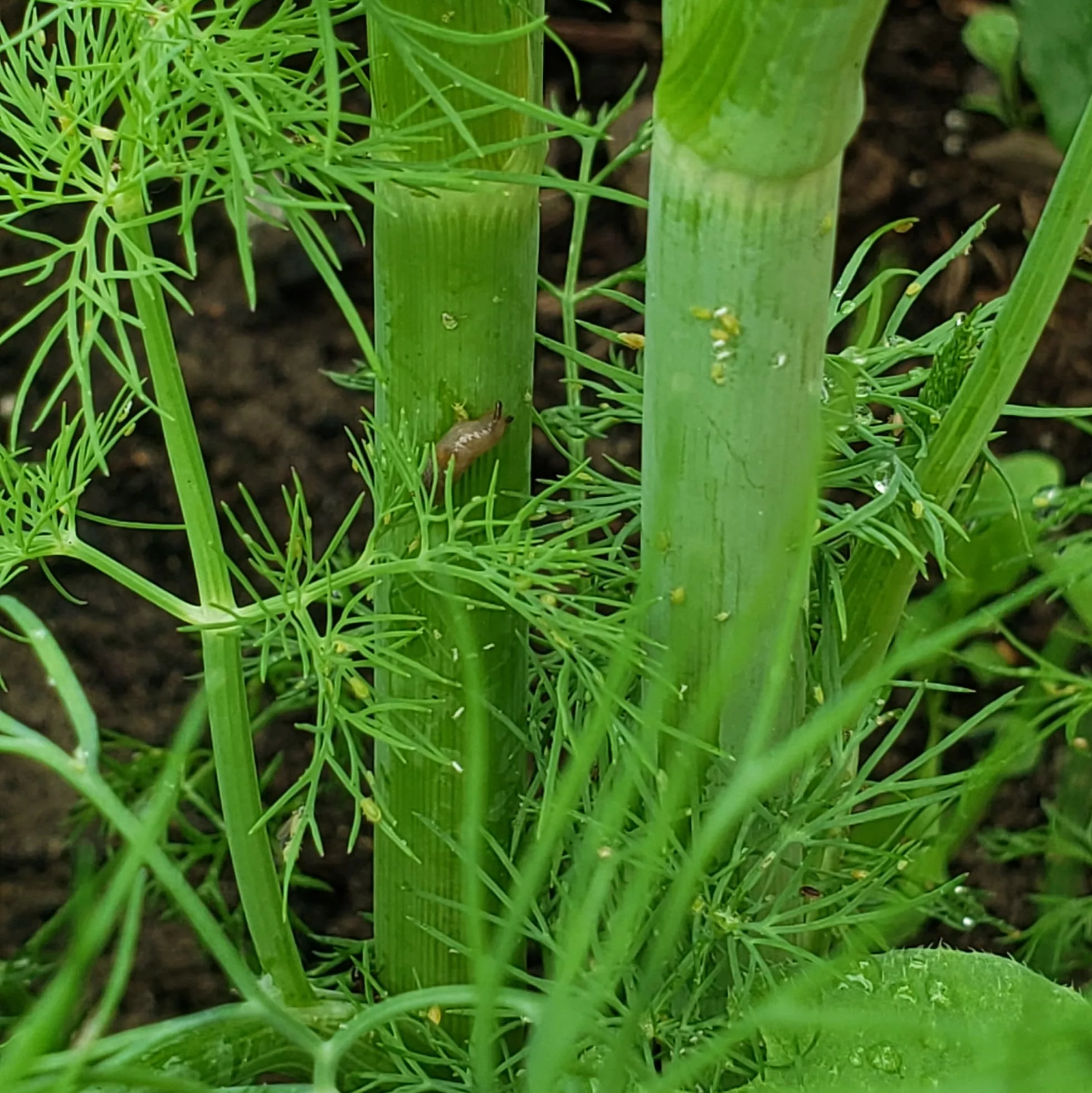
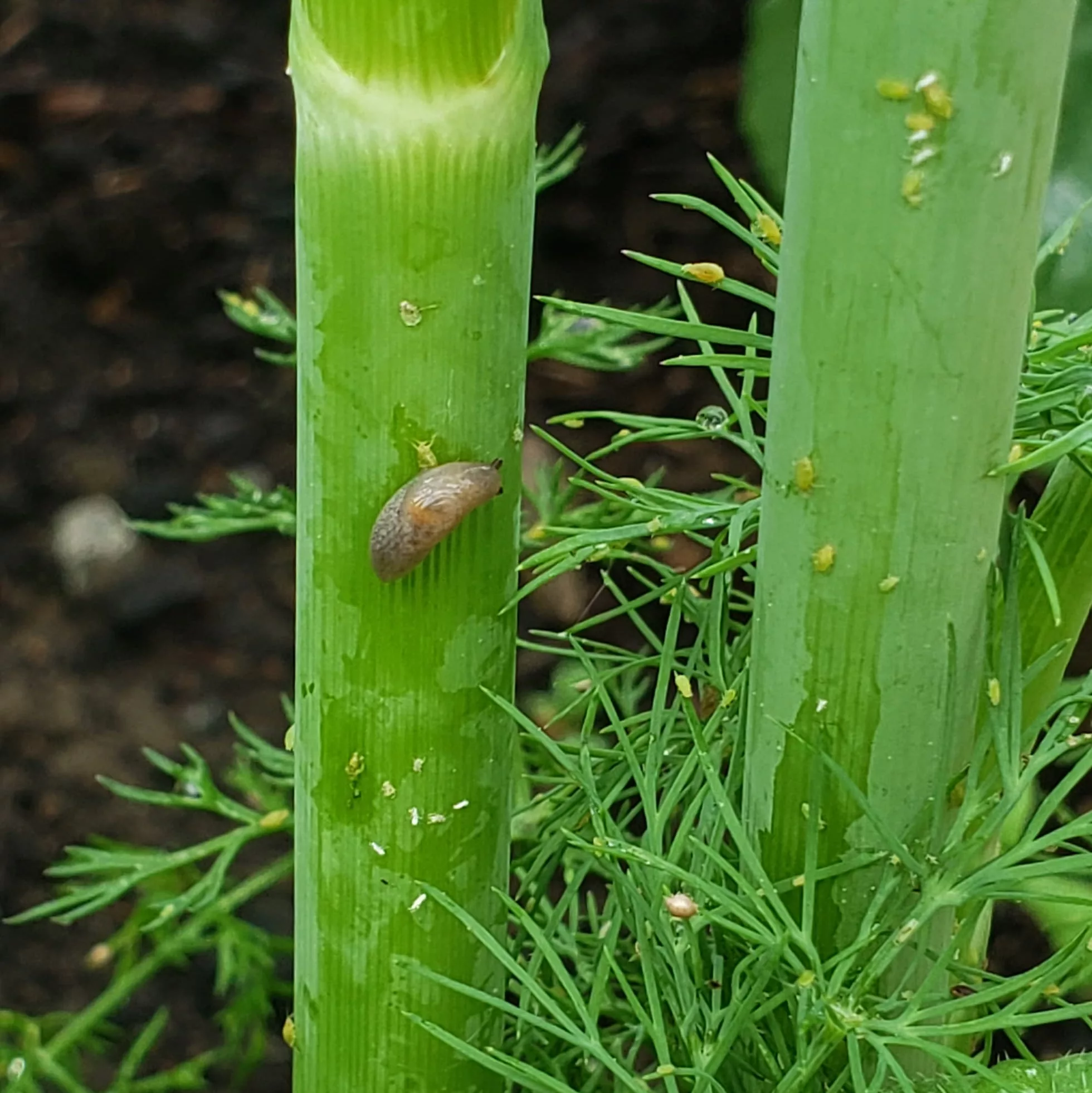
Slugs can be a major issue for some gardeners. When the summers are very wet, it becomes the perfect atmosphere for them. Slugs like dark, damp places, so watering your garden before nightfall can also create the perfect atmosphere.
Slugs are nocturnal which means you won’t find them easily in your garden. Instead, you’ll know you have slug damage if you see slimy pathways around your garden or on your plants, and if you see bites taken out of vegetable leaves or fruits. They enjoy eating leafy greens such as lettuce and also are big fans of strawberries.
Two ways to reduce slug damage in your garden include, watering in the morning instead of the evening, or going out in the evening and picking slugs out of your garden. If you remove the lower leaves of your plants, taking away places for slugs to hide, it can also help reduce slug issues.

Cabbage Moths/Cabbage Worms
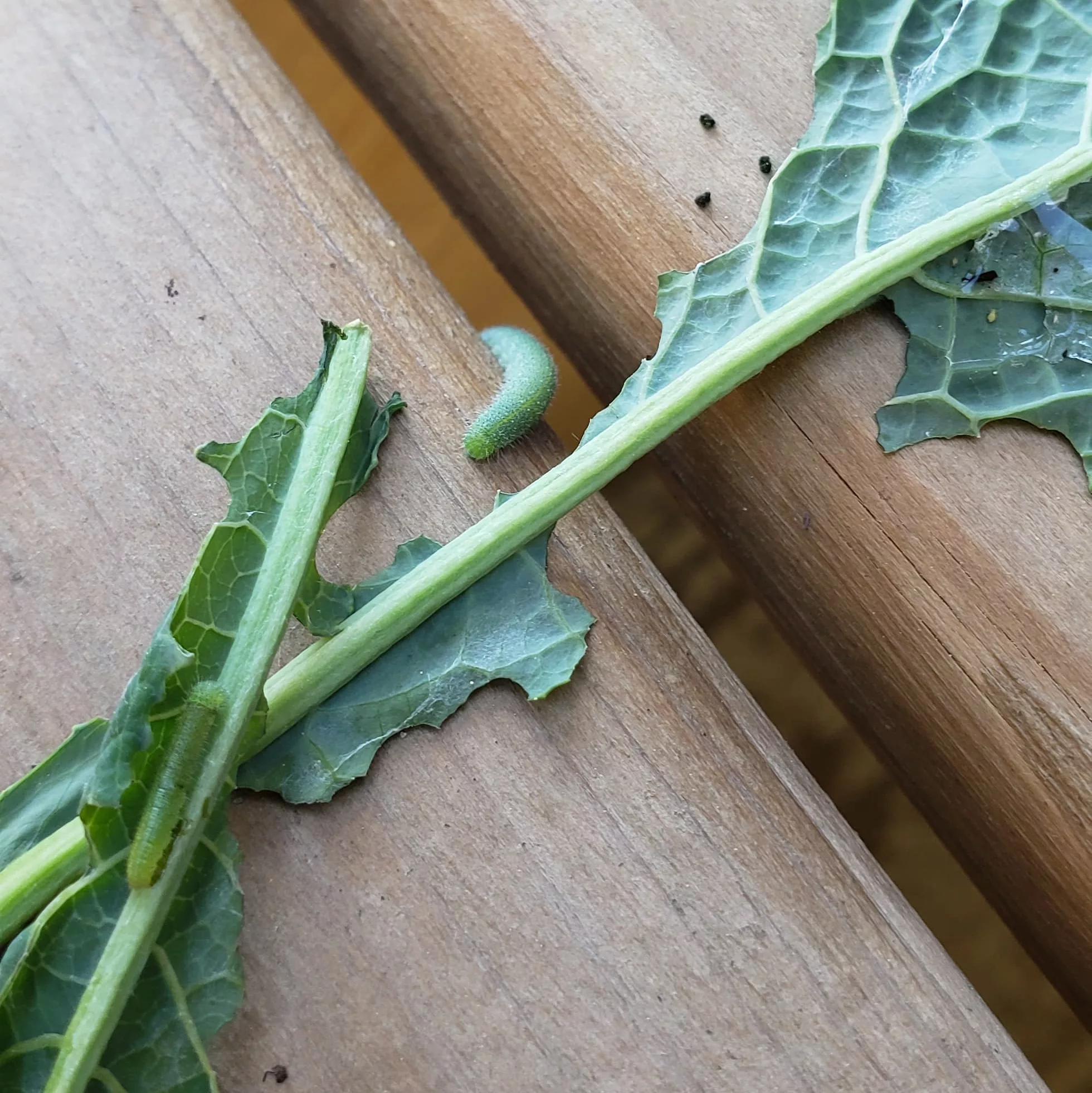
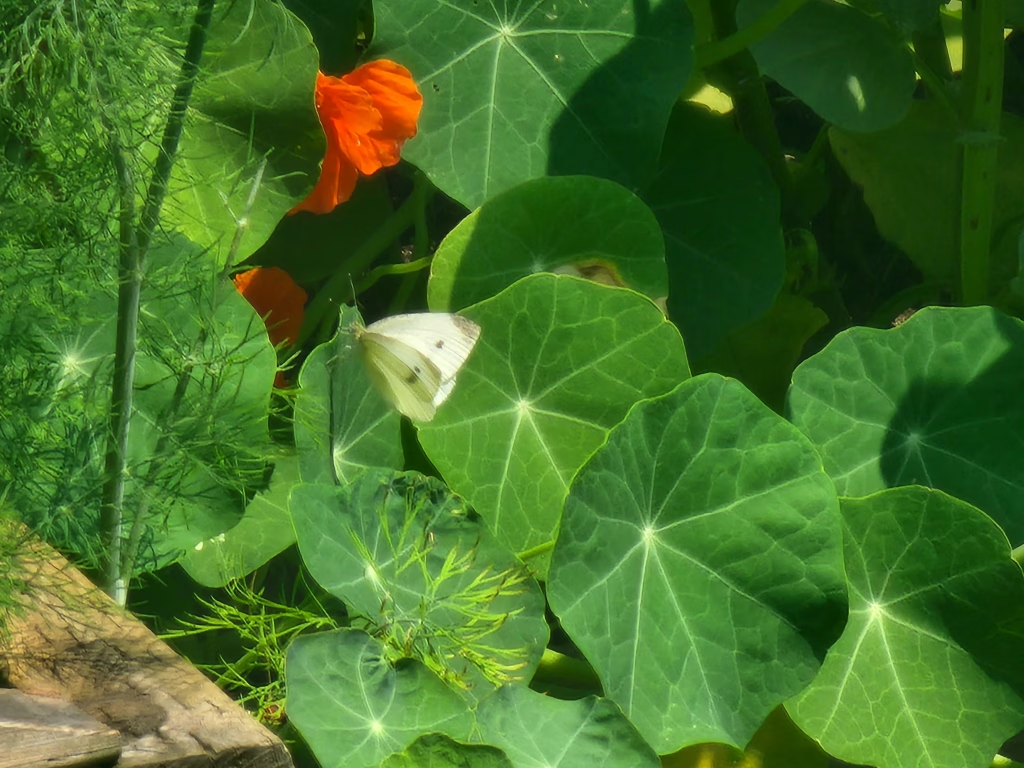
An enemy of brassicas everywhere! The fluttery white butterflies that you see floating around your garden are actually cabbage moths looking for plants to lay their eggs on. Commonly identified with a single black dot on the outer side of each wing, these are the adult form of the cabbage worm. If left unmaintained, they will eat every last leaf on your broccoli, cabbage, kale, cauliflower or any other member of the brassica family.
When you see damage to your brassica leaves it is generally a good indication that you currently have, or at some point, had cabbage worms. They are very well camouflaged so make sure to carefully and slowly inspect your plants.
Some ways to help avoid cabbage worm damage includes; checking the underside of the leaves for eggs and wiping them off, not planting all of your brassica together in one spot, but rather spreading them around your garden. Also, plant herbs such as dill and basil around them as the smell of the herbs confuses the moths and mask the smell of the brassicas.
Finally, you can use row covers overtop of your plants which will stop the moths from being able to land. Just make sure you don’t place this cover over any vegetables that rely on pollinators (such as peppers or tomatoes), and make sure the netting isn’t touching the plants but is hovering over top of them.
Continue growing your garden knowledge:
- I Was Wrong About Crop Rotation – Let Me Explain
- Drowning in Tomatoes? Here are 11 Ways to Use Your Harvest!
- 8 Tips to Build Healthy Soil (When Yours Sucks)
- Drowning in Zucchini? Here are 11 Ways to Use Your Harvest!
- 6 Spring Garden Pests You Should Know
Lawn Grubs
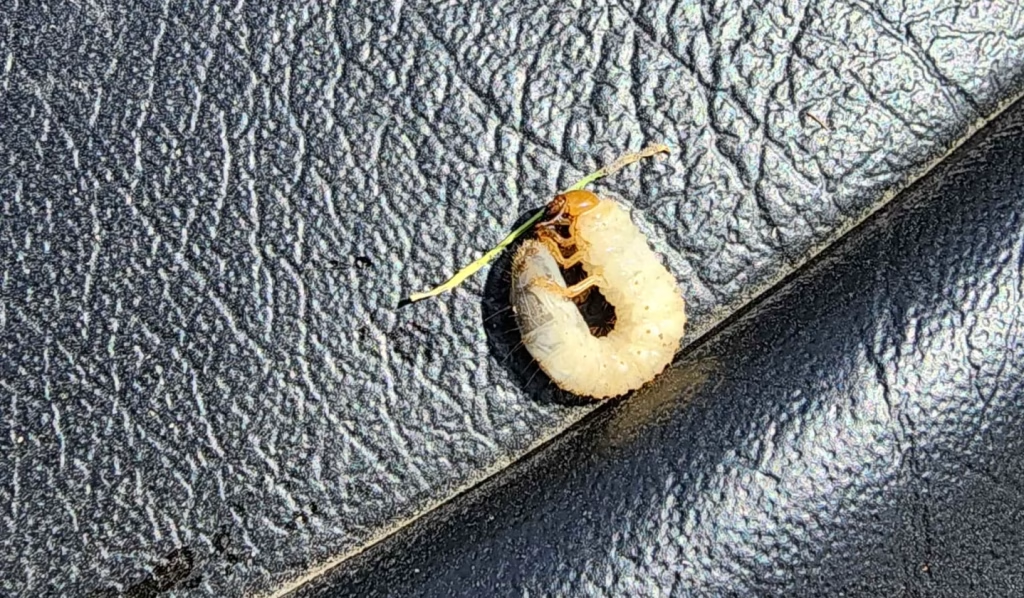
Lawn grubs are the general name for the larvae of multiple types of insects. Here in Canada the main insects are June beetles, Japanese beetles and the European Chafer. Both Japanese beetles and the European Chafer are invasive to Canada, and are a smaller grub than the June beetles. As June beetles are native to Canada, this is the predominant grub you’ll find. As Japanese beetle populations continue to increase though, they may become more common to find as well.
These grubs are white and translucent(ish), they have a brown head, a big back-end and will quickly curl into a C-shape when disturbed. They most often are found within the first 3-4″ of soil as this is where they tend to feed.
Since they feed on grass roots, their damage is isolated to your lawn. You’ll know you have lawn grubs if you have brown patches in your lawn that when stepped on feel soft or spongey. Another great indication is if you have loads of birds on your lawn, commonly you’ll find grackles or starlings in groups as they’re digging up the grubs. Finally, a dug up lawn is a great indicator that there’s grubs – especially if your lawn gets dug up frequently. Nocturnal animals like raccoons and skunks are looking for their next meal and they enjoy a good grub.
Solutions to deal with lawn grubs includes nematodes which are a natural, living organism that eats them. Nematodes are microscopic organisms that naturally live in our soil, but there are certain strains that specifically target the grubs of Japanese and June beetles.
New lawn solutions are being created that will grow varieties of grass that the grubs don’t like. They make your lawn unappealing, and unappetizing. Certain grasses like fescues and ryegrass contain endophyric fungus in them and they keep the grubs away. The only drawback to this is it’s best used when you’re seeding a new lawn vs seeding over an existing lawn.
Having birds feel comfortable around your garden and property is a two pronged approach. Birds eat a ton of insects during nesting season which happens to align with the time that many adult beetles are out. Of course, the more adult beetles being eaten, the less eggs that can be laid. And as I mentioned above, if you have starlings or black birds (like grackles) in your area, they love to eat grubs. Therefore, bring on the birds and let them eat all these immature beetles to help reduce their populations.
Cut worm
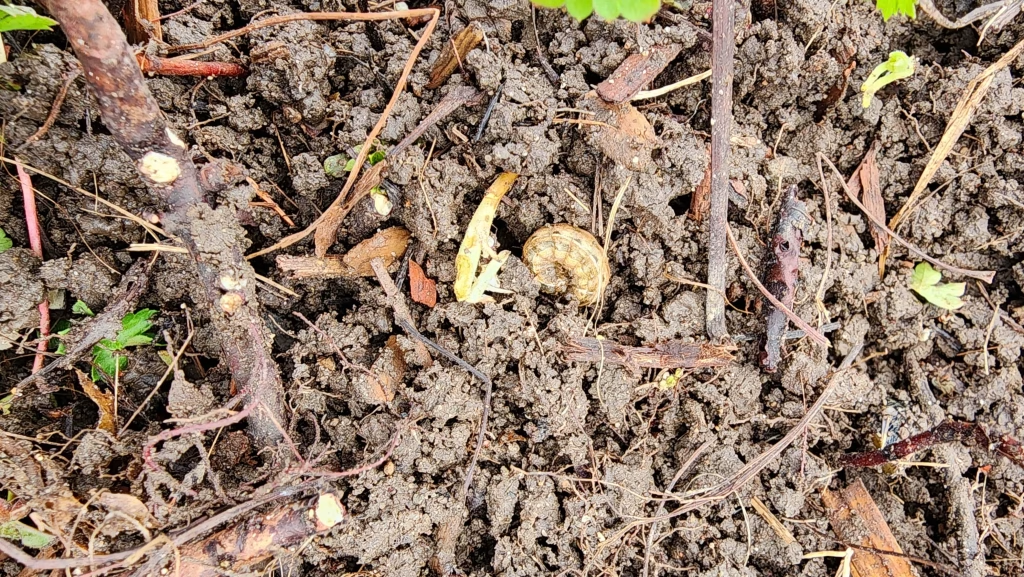
Cutworms are high on my list of irritating pests. When caught early, you can save plants from some pests, however, when you have cutworms, there is no saving them. There may be mornings where you wake up, head out to the garden and find a sunflower or corn lying dead in the soil, perfectly cut at the soil line, and the plant is laying right beside its roots.
Cutworms are the larva version of certain nighttime flying moths. They are fairly general feeders and will eat corn and sunflowers (as I have experienced) but will also eat asparagus, lettuce, peppers and cabbage (to name a few).
The larva are nocturnal and will feed on your plants at night by curling their bodies around the stem of the plant and eating their way through it, leaving a perfectly cut stem at the soil line.
If you are the victim of cutworm, and want to try and avoid future loss, the best thing you can do is buy nematodes to kill the larvae. In spring and fall, spray nematodes in your garden and lawn and they will eat the larvae before the next growing season. Your second option is to go out in the afternoon or evening when they are more active and run your hand or a small rake across the top of the soil to see if you can uncover them. When disturbed they will curl into a “C” shape.
Once a cutworm has found its way to your seedlings it is almost impossible to salvage the damage. The best alternative to deal with them is to start seedlings a few weeks after your first plants and to plant them out later in spring when they are not as actively out damaging plants (late June-ish; however they can be active all summer so it is not a 100% guarantee).

Cucumber Beetle
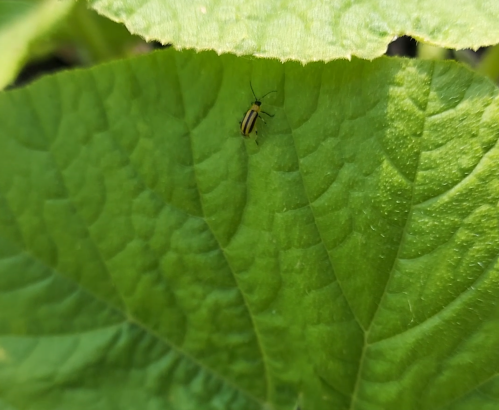
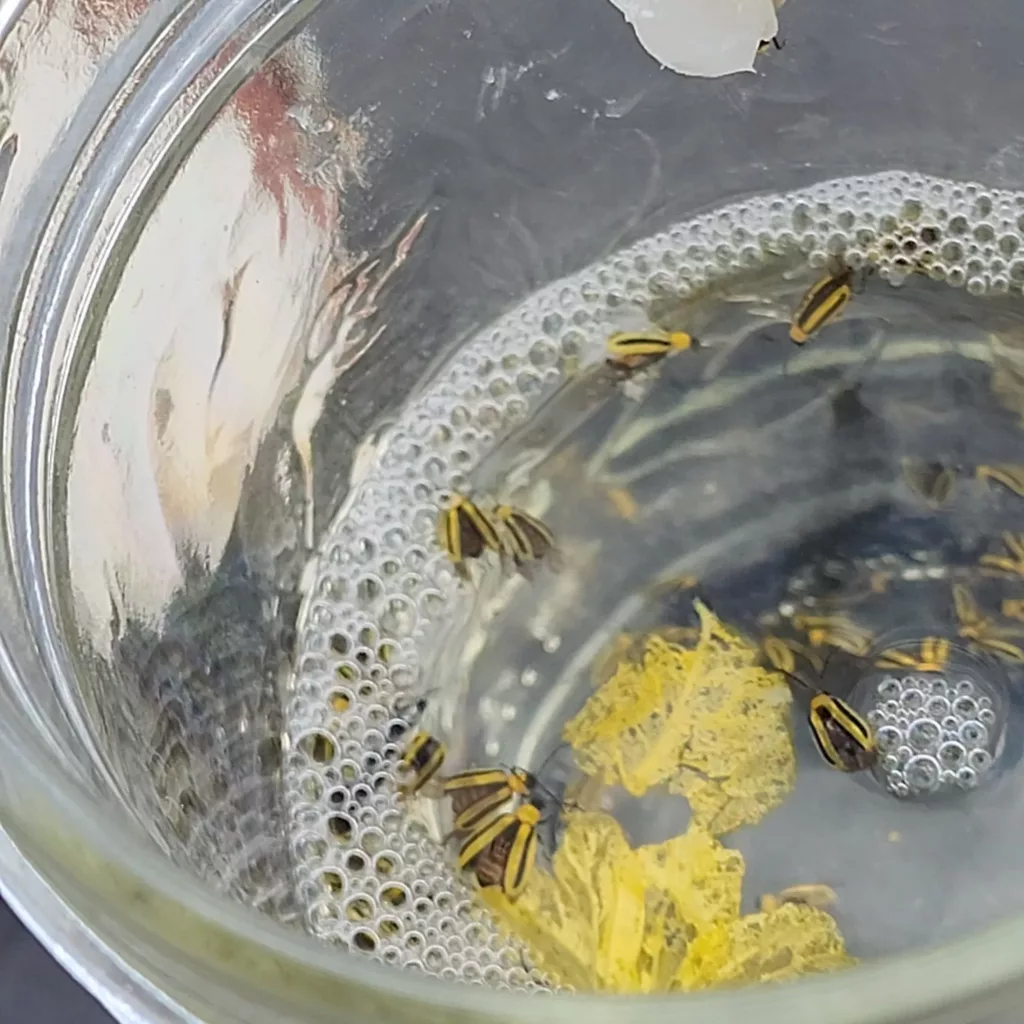
There are two types of cucumber beetles, striped and spotted. In our garden we’ve only ever gotten the striped cucumber beetle, but they are similar to manage. Cucumber beetles attack cucurbits which include cucumbers, summer/winter squash and melons. They are attracted to the yellow flowers of these plants and will eat the leaves and flowers. Left unmanaged, these beetles can completely destroy the flowers resulting in your plant producing no fruit (no flower, no fruit). To make matters worse, they can transmit a pathogen called bacterial wilt. One morning your cucumber plant will look happy and healthy and later in the day or the next morning the entire plant is wilted and dead (much like zucchini from vine borers).
The best way to manage these pests is similar to other pests, which is hand picking them into a bowl of soapy water. Check the underside of leaves, and inside of flowers as these are two places they like to hang out. If they’re on a leaf, you can put the cup under the leaf and tap it, to drop the beetle into the water.
To help try and prevent adult beetles from laying eggs in your garden, apply a thick layer of mulch around your established plants. If your plant is affected by bacterial wilt, remove the plant since it’s dead and you don’t want it to attract more beetles.
One final note, if you read about cucumber beetles on other websites, you may come across places that say you can use yellow sticky traps to catch them, but please don’t. I once accidently left a sticky trap outside that was from one of my houseplants and I caught half a dozen small bees on it because they are also attracted to yellow. Therefore I don’t recommend using this trap since you can’t control what it catches.