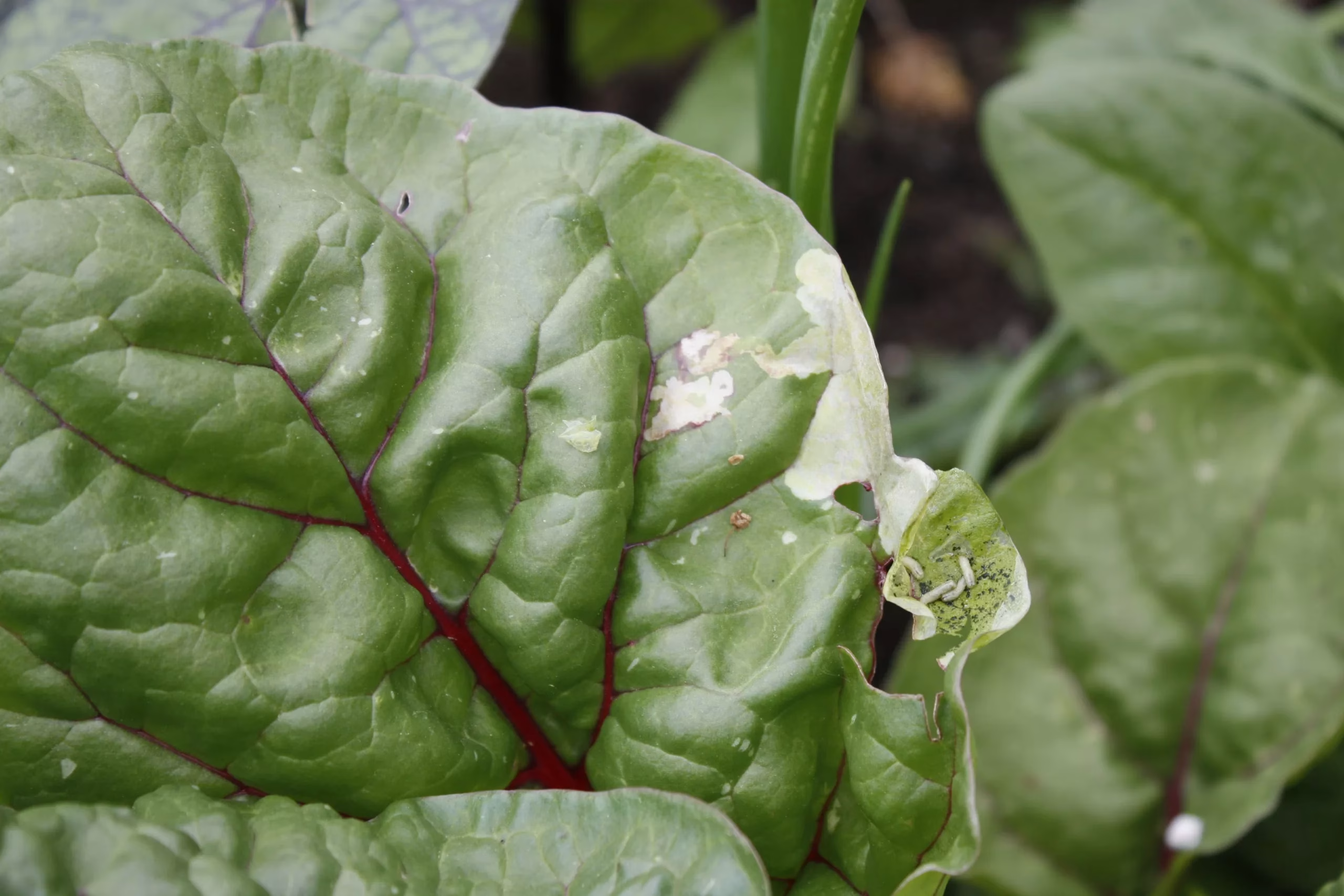
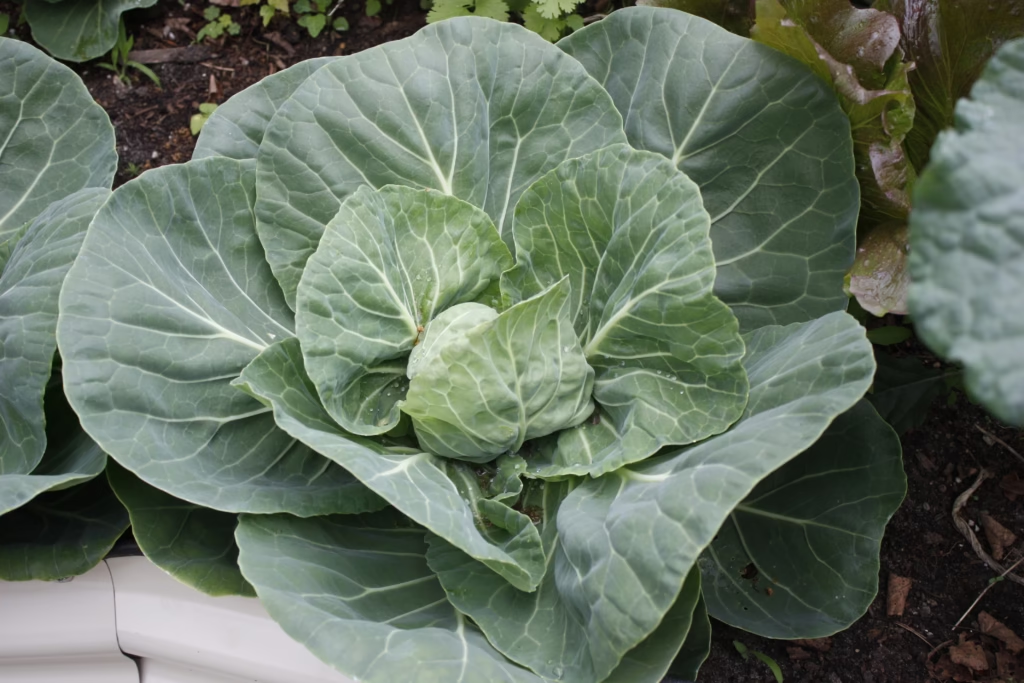
Cabbage is one of my favourite foods to eat! It’s so versatile, there’s a ton of varieties to choose from, and the flavour is incredible. Although cabbage doesn’t always smell the best, it’ll bring a ton of joy to your tastebuds. Not only is cabbage a cold tolerant plant, making it perfect for the shoulder season, but it’s very satisfying to grow.
A Quick Summary of Cabbage
Cabbage is a biennial plant that is part of the brassica family. This means that it’s closely related to broccoli, cauliflower, kale and Brussels sprouts. It’s not surprising if you grow any of these plants since they are all equally as cold hardy. Cabbage comes in a multitude of colours from red, to green to purple and most often form a tight, round head. Some cabbage varieties form much looser centres, while Chinese cabbage often grows in tall, rectangular shapes, rather than the classic ball shape. Cabbages can range anywhere in size from 1lb up to 15lbs!
Cabbage Varieties to Plant
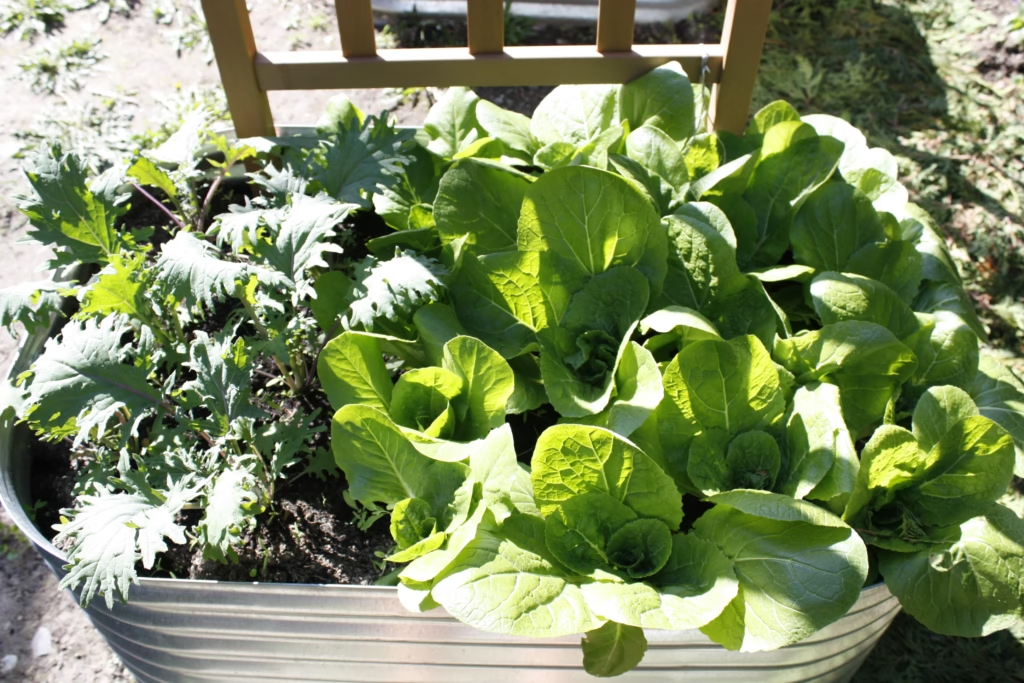
Depending on how you wish to use the cabbage, there are varieties for every use! If you want to eat it fresh, there are varieties that have looser heads and more tender leaves. You can get varieties that grow large and are good for sauerkraut, or even for making cabbage rolls. Although not a classic round cabbage, you can get Chinese cabbage such as Sui Choi, or even Bok Choy that don’t grow round heads in the centre. The photo above is of Napa Cabbage that we grew a few years ago. There are even varieties, such as the Late Flat Dutch cabbage that can grow up to 15lb heads! It’s helpful to know how you want to use your cabbage in order to choose the best variety for your needs. Looking through varieties of green, red, savoy or Chinese cabbage will help you learn about the many varieties to help you find which one suits your needs best!

Cabbage Sun & Soil Requirements
Cabbage can be picky with their soil as they want properly balanced nutrition. Since cabbage are grown for their leaves, you may think that they want nitrogen over anything else, but if you have too much nitrogen it can actually stop them from forming heads. If you need to amend your soil, make sure to use an organic, balanced fertilizer (as synthetic can bring in more pest pressure). Cabbage likes cool weather so you’ll be planting it in spring and for fall. Make sure that wherever you plant it it gets good sunlight (as the sun sits lower on the horizon during these periods). Cabbage wants 6-8 hours of direct sunlight.
How to Plant Cabbage Seeds
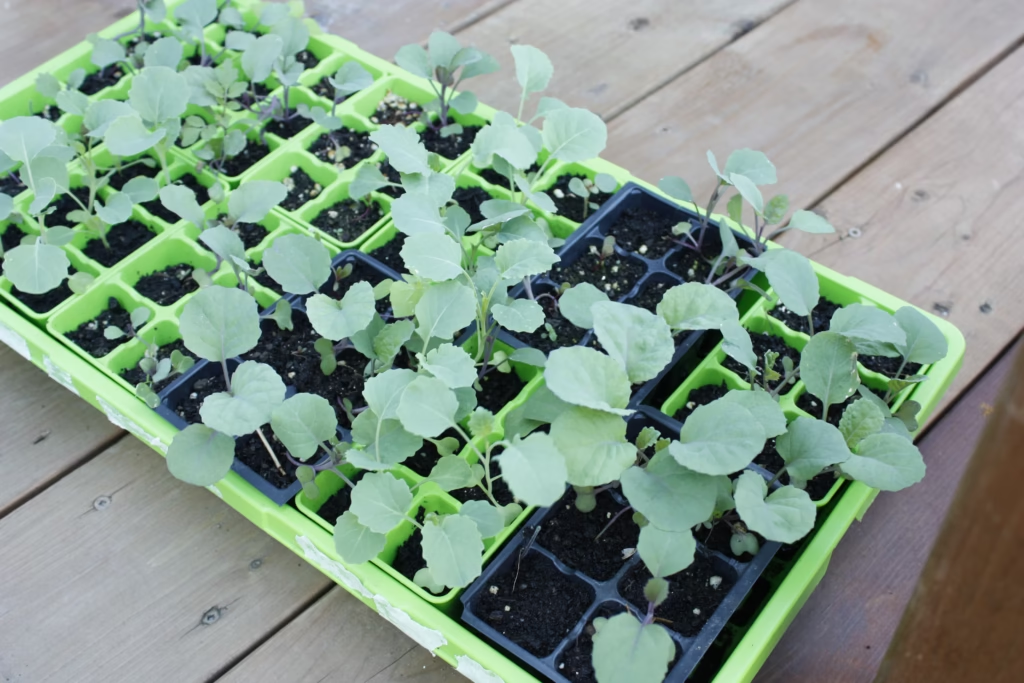
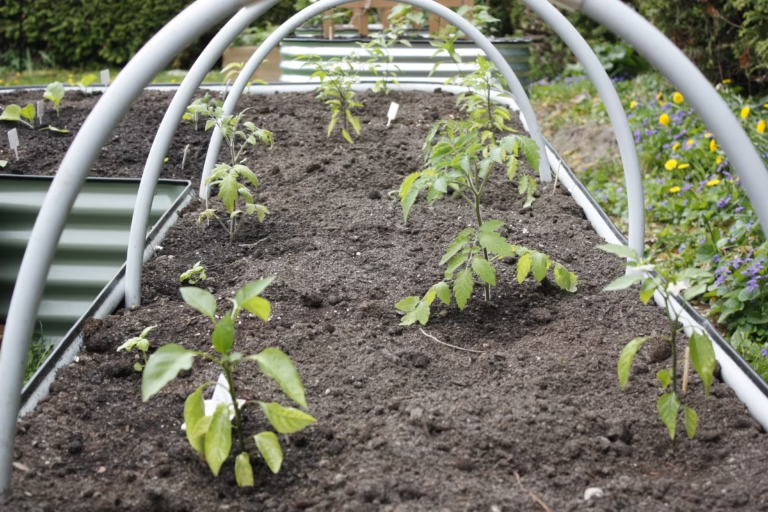
Cabbage is a cold hardy crop which means it can be planted outside weeks before your last frost date, and can be planted again for a fall harvest. Since cabbage varieties range in time to maturity from 45 days to over 100 days you need to plan your fall planting with this in mind. For a spring harvest, sow your seeds 8 weeks before your last frost date, with the intent of planting them outside 2-4 weeks before your last frost date. You’ll want to plant them under cover so make sure you have a season extender, like a hoop house, in place.
For a fall crop, consider planting varieties with a shorter days to maturity to ensure that you get a harvest before the soil freezes. Sow seeds in late July or early August to allow the plants time to form heads. You can start the seeds directly in the soil, or in pots outside, however growing indoors is easier to keep the temperature consistent since summers can get so hot. Also, growing cabbage seedlings outside leaves them susceptible to cabbage moths, and cabbage worms can decimate a cabbage seedling very quickly.
To plant cabbage seeds, sow them in sterile seed starting soil just below the surface. Cabbage seeds are small so they don’t need to be planted too deep. Keep a clear dome over the seeds to help with humidity and a faster germination. Once the seeds have sprouted, place them under grow lights until they’re ready to be brought outside.
Caring for Cabbage Seedlings

Since cabbage likes cooler weather, you’ll want to start hardening them off early. For us here in Southeastern Ontario, this would be April. When the days are above 5°C you can bring them out. Take it slow, only have them out for 15-30 minutes at a time because it is a huge swing in temperature. I like to keep mine under cover (such as a cold frame or hoop house) to have a higher temperature, but allowing the sun to give them their light. Keep them well watered because this will help them grow – and once night time temperatures are consistently around the -2°C mark or warmer, you can plant them out (under cover).
If you’re planting a fall crop, the best thing you can do to care for your cabbage seedlings is to keep them away from cabbage moths. Even if the plant is tiny, the moths will still lay their eggs and their offspring will eat your plants. Keep your plants well watered, and consider giving them afternoon shade when hardening them off to give them relief from the heat of the day.
Continue your garden learning:
- I Was Wrong About Crop Rotation – Let Me Explain
- Drowning in Tomatoes? Here are 11 Ways to Use Your Harvest!
- 8 Tips to Build Healthy Soil (When Yours Sucks)
- Drowning in Zucchini? Here are 11 Ways to Use Your Harvest!
- 6 Spring Garden Pests You Should Know
Cabbage Planting Guide
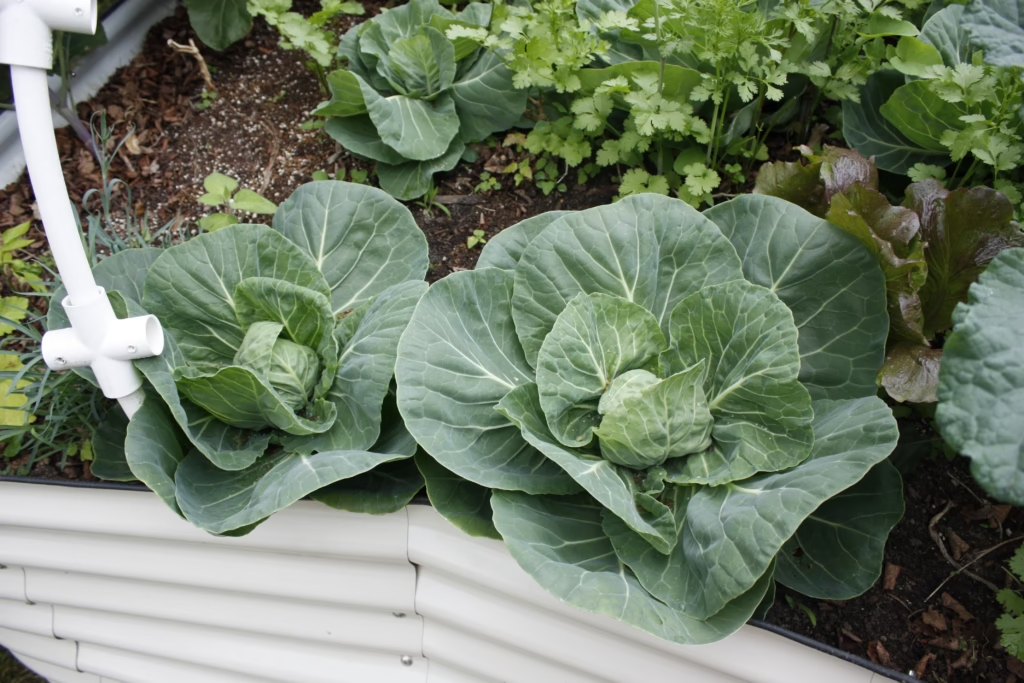
Because cabbage comes in such a wide range, the most important thing is to know how big your variety gets for spacing of your plants. Some cabbage plants can grow huge! I planted my cabbage fairly close together in the photo above without realizing it was a miniature variety and I’m thankful that I didn’t have a different variety! The above variety is Tiara and produces cabbage heads that are about the size of a softball. I planted 1 per square foot and that was tight for them – so if you’re growing a larger variety make sure to give one plant about 2 feet of space to grow. If you’re growing a Chinese cabbage variety, they can be planted closer together since they form tight, upright heads.
Cabbage doesn’t require any pollinators to grow and be harvested, so consider planting it in a space where you can cover it in insect netting. Make sure that the netting doesn’t touch the cabbage plants because the cabbage moth can still lay eggs through netting if it’s resting on the plant.
Watering Cabbage
Cabbage have a lot of water in them, so you’ll want to make sure you keep them well watered! Especially if your spring is dry you’ll want a once to twice a week watering schedule. Once the cabbage plants start to form heads you’ll want to reduce your watering to once a week, or skip watering if you have a lot of rain. If your cabbage gets too much rain it will split the head which leaves it susceptible to a lot of pest damage.
Harvesting Cabbage
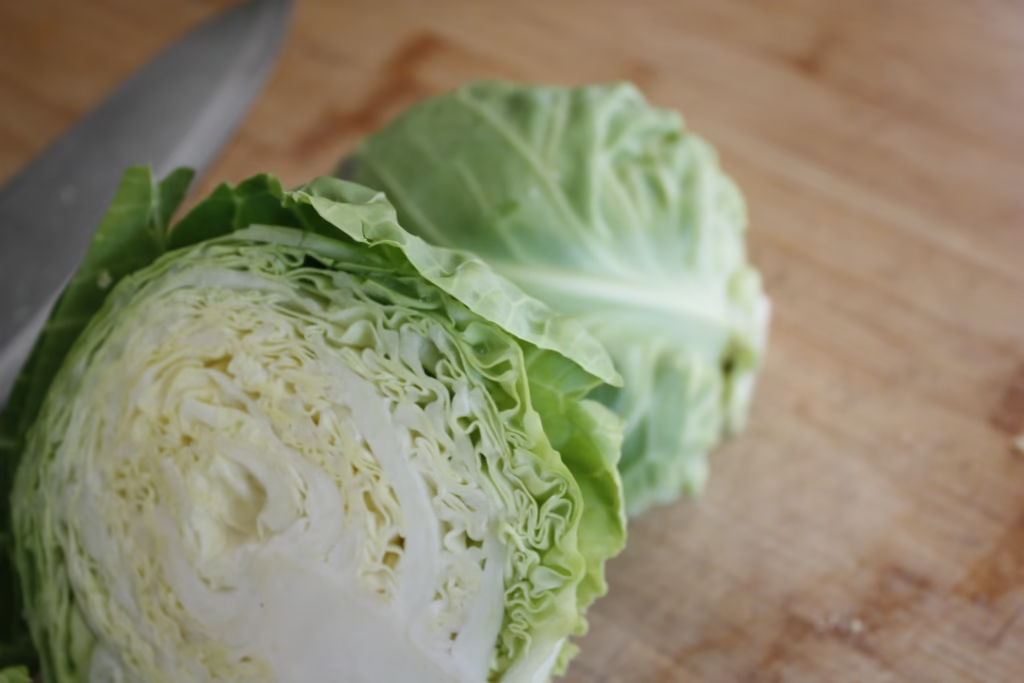
Cabbage can be difficult to know when to harvest because it’s a biennial. For annual plants, you can often tell because they start changing colour as they go to seed (ie a pepper changes colours, a cucumber turns orange etc) however cabbage doesn’t do that since it takes 2 years to go to seed. The first tip to know when your cabbage is ready is by knowing how big the head is meant to get based on the variety you’re growing. If the variety is supposed to grow more than 5lbs in size, you’ll know that a small cabbage head is likely not ready. The second way to know when cabbage is ready is by squeezing the head. If it’s soft, it isn’t ready to be harvested, but if it feels hard and dense, it’s ready to harvest.
I never recommend pulling a plant up by its roots because it’s disruptive to the living organisms in your soil. The best way to harvest is to take a sharp knife and cut it at the base. Be mindful that the lower leaves can hold a lot of insects. When I harvest mine I get dozens of earwigs running out of the leaves. So don’t get spooked when you harvest!

Ways to Enjoy Cabbage
I LOVE cabbage! I don’t know if there’s a way to not enjoy. I’ll eat it any which way and find it delightful. Some of my favourite ways to eat cabbage is as sauerkraut, chopped and fried with pierogies, raw in a coleslaw, chopped and fried with cumin seeds, or as kimchi! Other ways you can enjoy cabbage is in soup, as cabbage rolls, or grilled cabbage wedges.
Common Cabbage Pests & Problems
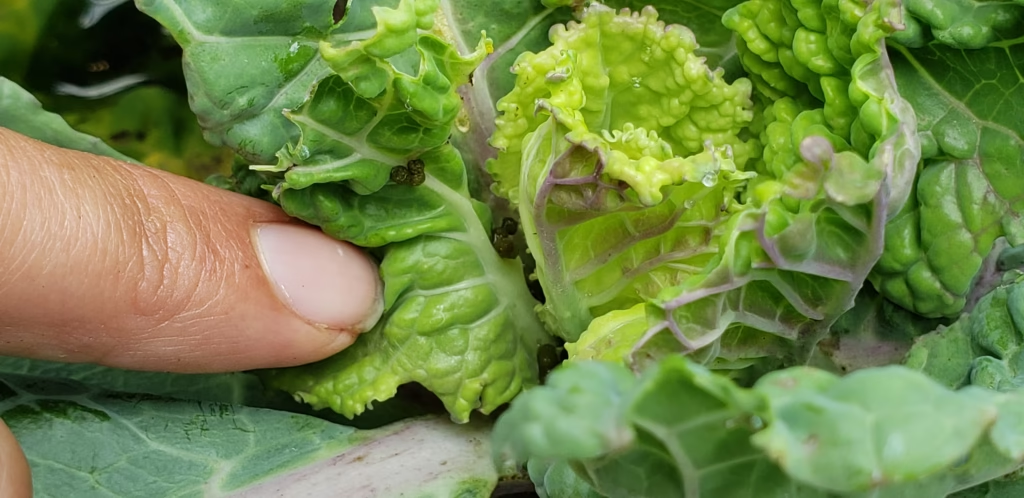
The most common pest for cabbage is the cabbage moth. They are white, daytime flying moths that are everywhere. They have huge populations and are seen flying in flower and vegetable gardens, alike. They lay eggs on plants in the Brassica family, which hatch into very camouflaged caterpillars, that will eat your plants.
Earwigs also pose a problem for cabbage as they hide in the outer leaves of the cabbage plant. They can eat holes in your cabbage heads and hide in the layers. They don’t cause major damage to your plants but are an unwelcome surprise when harvesting and cutting open the heads.
There are quite a few diseases that can happen to cabbage, such as black rot, leaf spot and blight. I haven’t had issues with my cabbage before, however this article on cabbage disease is helpful to identify what you may have if you’re dealing with a specific issue.
Saving Cabbage Seeds
Cabbage is a biennial plant which means it flowers and sets seed in its second year. If you have a cabbage plant that goes to seed in its first year, you don’t want to save seed from it. The biggest problem in Canada is getting your cabbage to survive the winter in order for it to set seed the following year. If you grow your cabbage directly in the ground, and cover it with both frost cloth and a hoop house, you may be able to keep it alive. If you grow in pots you can move it to your basement or garage to continue living, but you’ll need to remember to water it about once a month. If you grow in raised beds it will be difficult to keep it alive since the soil stays colder than in the ground.
If you live in a warmer climate, or you manage to keep your cabbage alive and it goes to seed in the second year it will look like a thick flower stalk that comes up from the centre, produces yellow flowers that will turn into pods. When the pods are brown and dry, you can save the seeds. Keep in mind that you’ll have to forfeit harvesting your cabbage head in order to produce seeds.