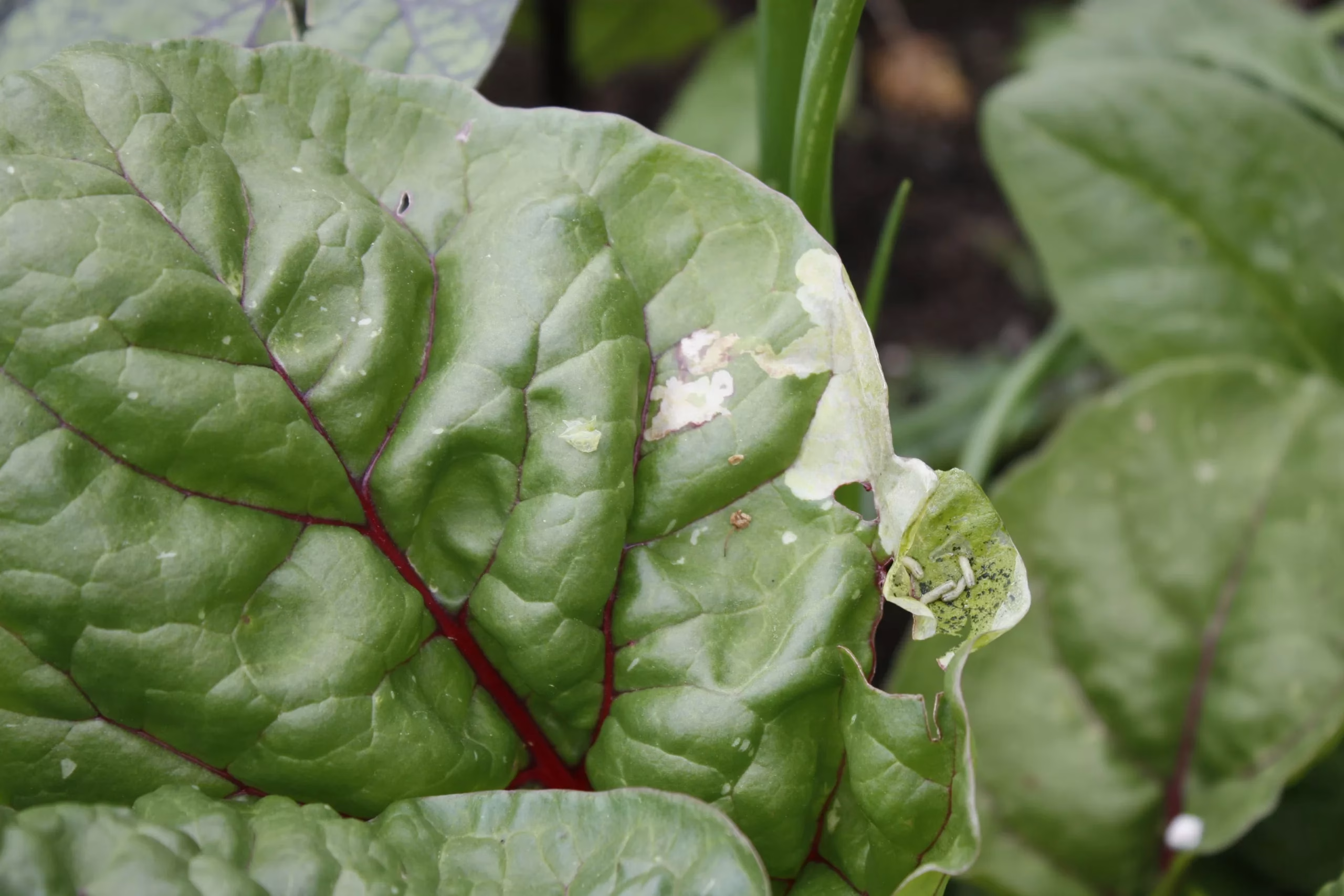
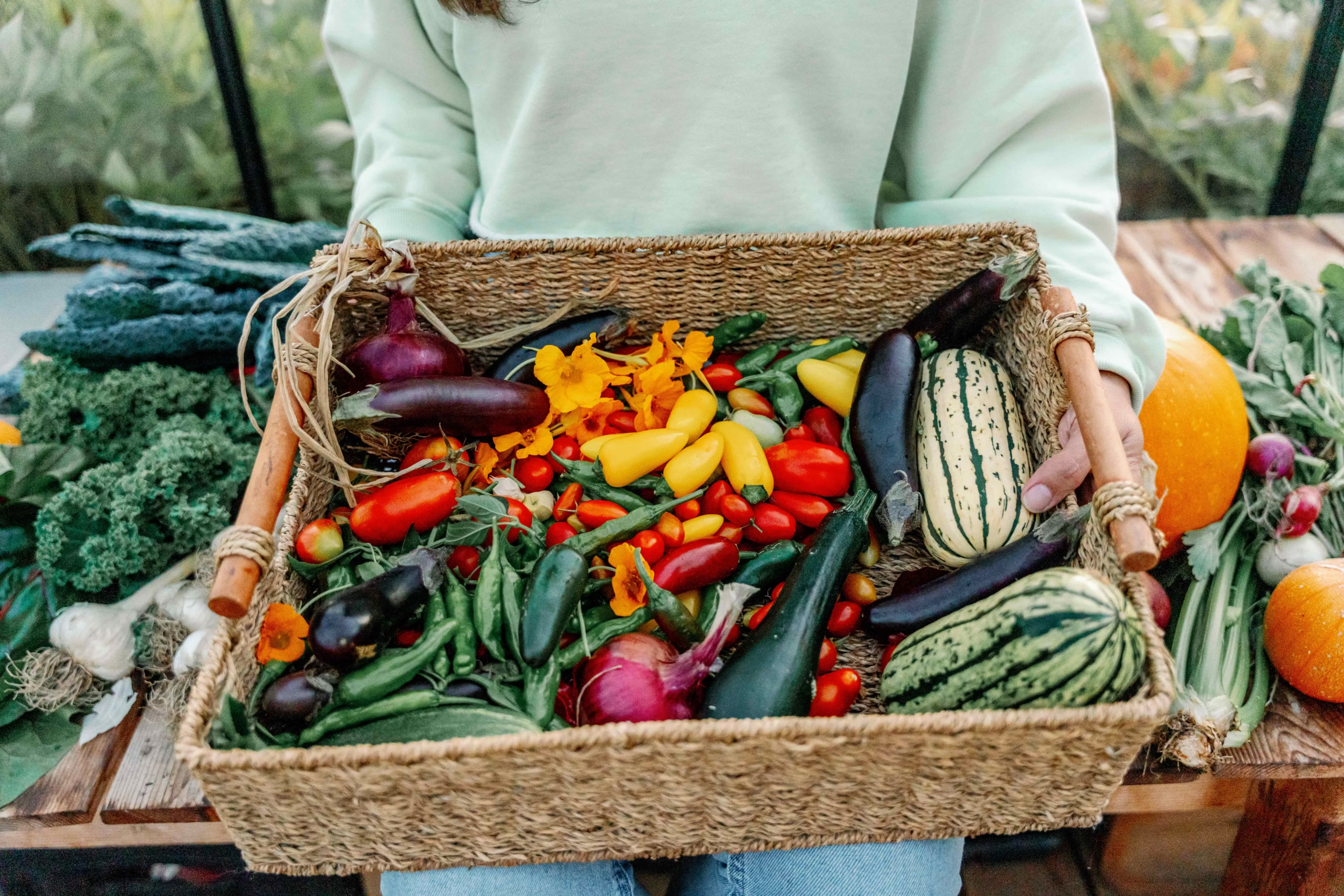
So you’re growing a garden, and you managed to keep your plants alive all summer long and you’ve finally made it to harvest season. Getting your seedlings to survive is hard, keeping them alive is harder, and sometimes knowing when to harvest can be the trickiest of them all.
But thankfully there are simple ways to know when your plants are ready to harvest that can be applied to (almost) anything you’re growing.
Get to Know Your Plants
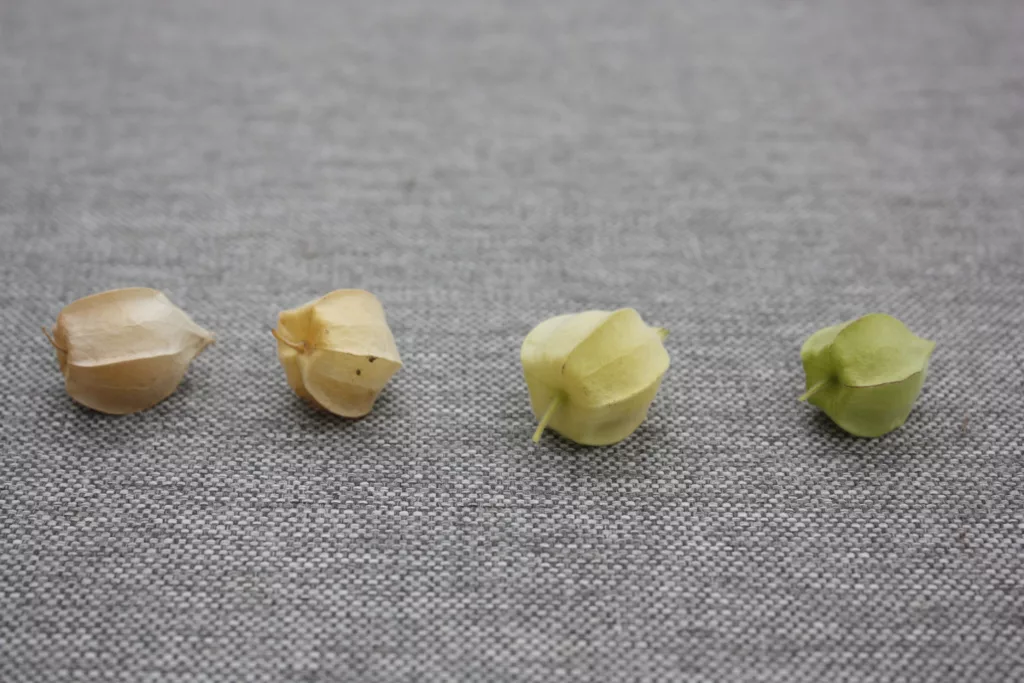
If you’re new to gardening be mindful that the more varieties you grow, the more you need to know, so take it easy on the selection while you get a better understanding of your plants.
But if you’re deep into multiple varieties, the below list will still help you know when you can harvest your plants.
Tip 1: Understanding the Plants Lifecycle
There are a few main ways we eat vegetables – we eat the leaves, we eat the fruits, or we eat the flowers. Knowing which of these three ways the plant is cultivated will help with your timing on when to harvest.
Plants like lettuce, spinach, or Brassicas like broccoli and cauliflower all get harvested before a flower starts growing. While plants like tomatoes, peppers, zucchini and cucumbers need to flower first.
The reason that this is important to know is to make sure that you harvest your non-flowering plants before they flower. Leafy greens like lettuce, spinach, Swiss chard and kale can be harvested at any time – as baby leaves or when they get to a larger size. The only thing you want to avoid is them going to flower. Brassicas like broccoli and cauliflower are technically flowers that you’re harvesting before they open but only broccoli tends to flower early. Harvesting these before the florets open is important. And with plants like cabbage, you want the head to be hard before harvesting.

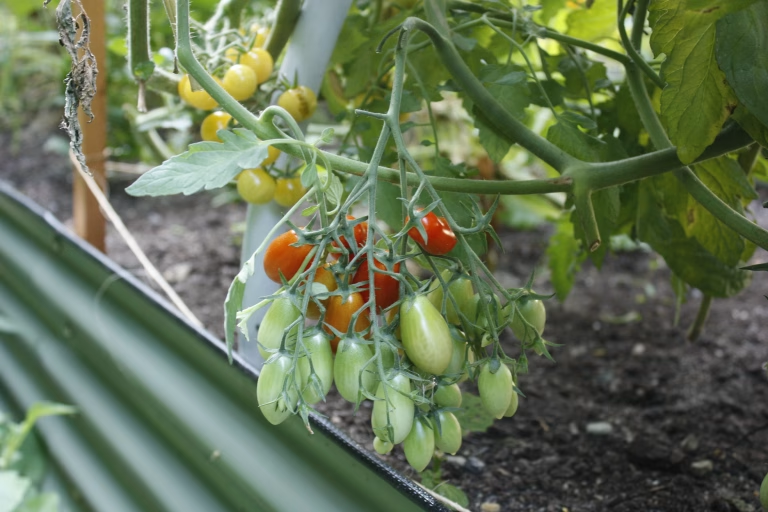
Plants that flower and produce fruit like tomatoes, eggplants, peppers, cucumbers and zucchini all get harvested at different times so there isn’t an overarching rule on when to harvest them.
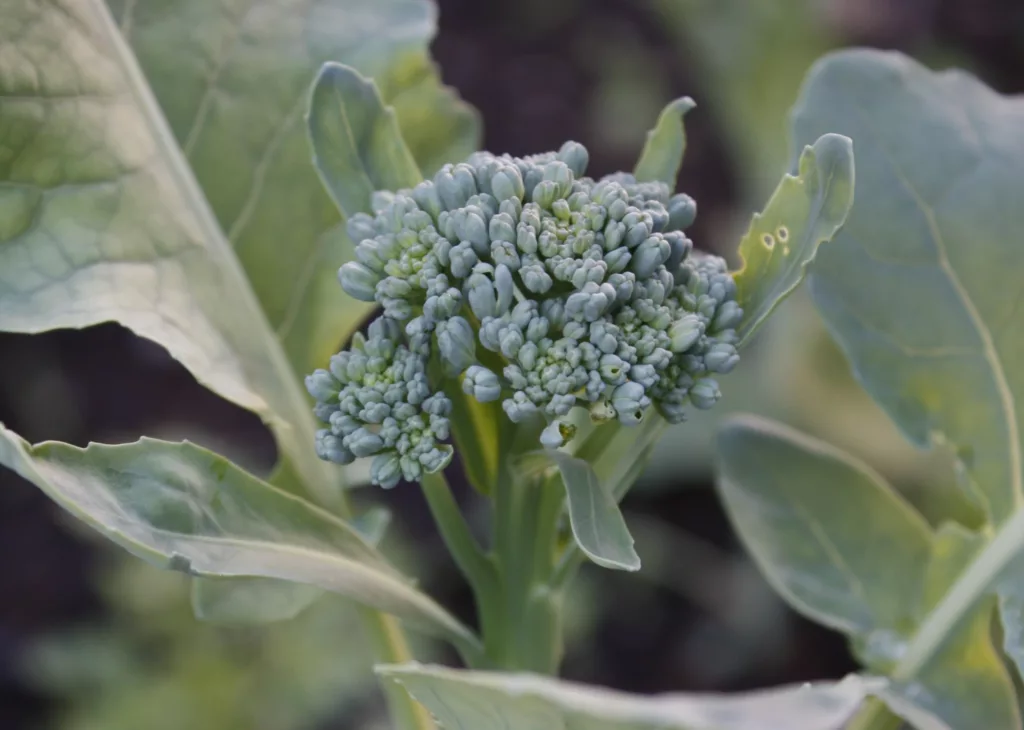
Finally, knowing what a plant looks like when it’s going to seed or dying helps you know it’s time to harvest asap. For example, a dull eggplant or cucumber means that it’s grown too large and should have been harvested. If a broccoli head starts to open its florets (like in the photo above), it’s about to go to flower and needs to be harvested right away. If your lettuce or spinach starts growing taller, like it’s on a stem – that means it’s also going to flower (and seed). So knowing these signs means you can adjust for your next harvest.
Tip 2: Look Up Your Specific Variety for More Detailed Information
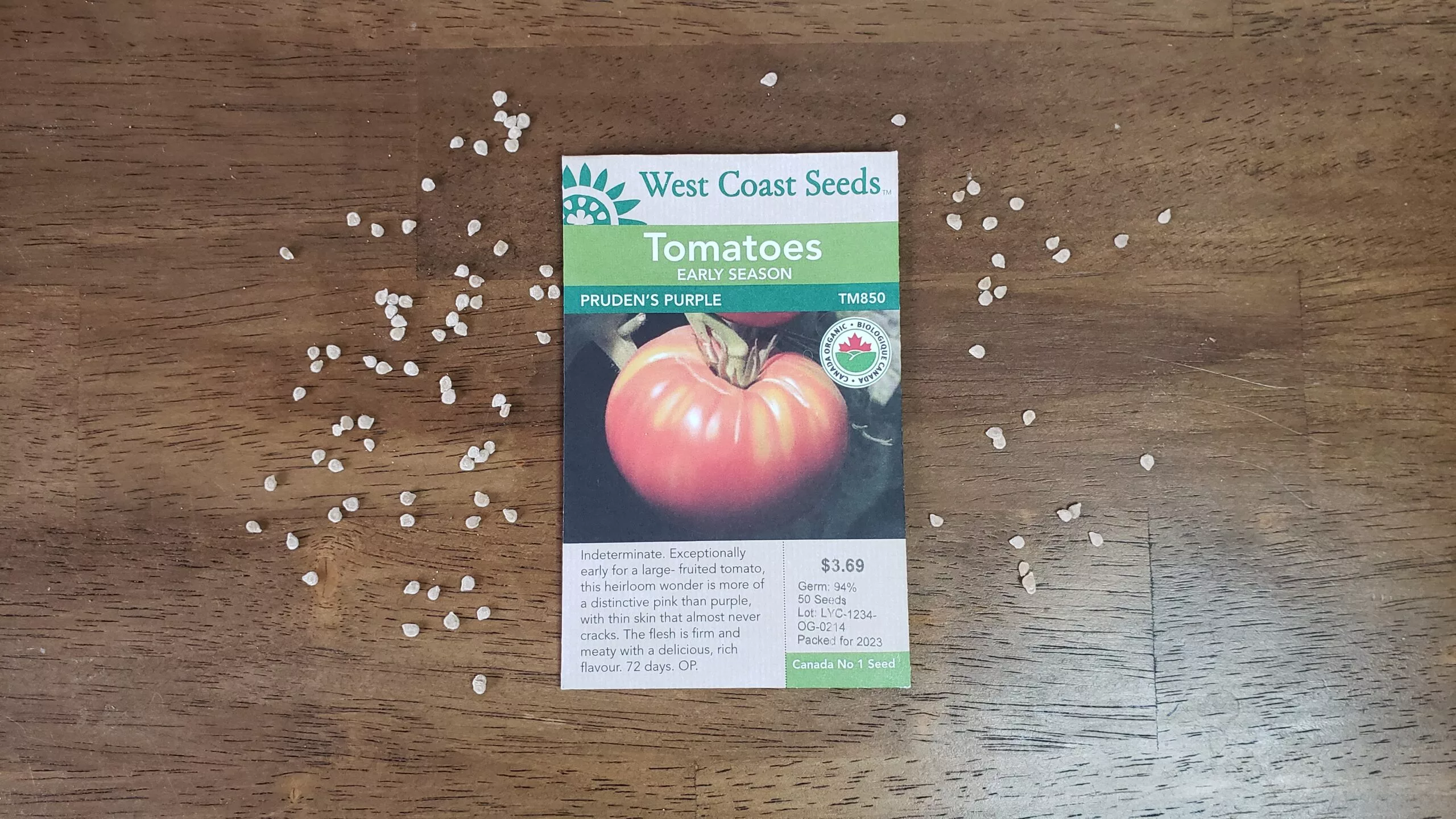
If you’ve grown your plants from seed, or know the variety you’re growing, this gives you a lot more information to know when your plant is ready to harvest. Is the food approximately the size that they say it should be? Is it the colour shown in the photo? Sometimes the plant will grow smaller than the variety is supposed to, and that’s okay too.
Tip 3: Harvest (Almost) Whenever
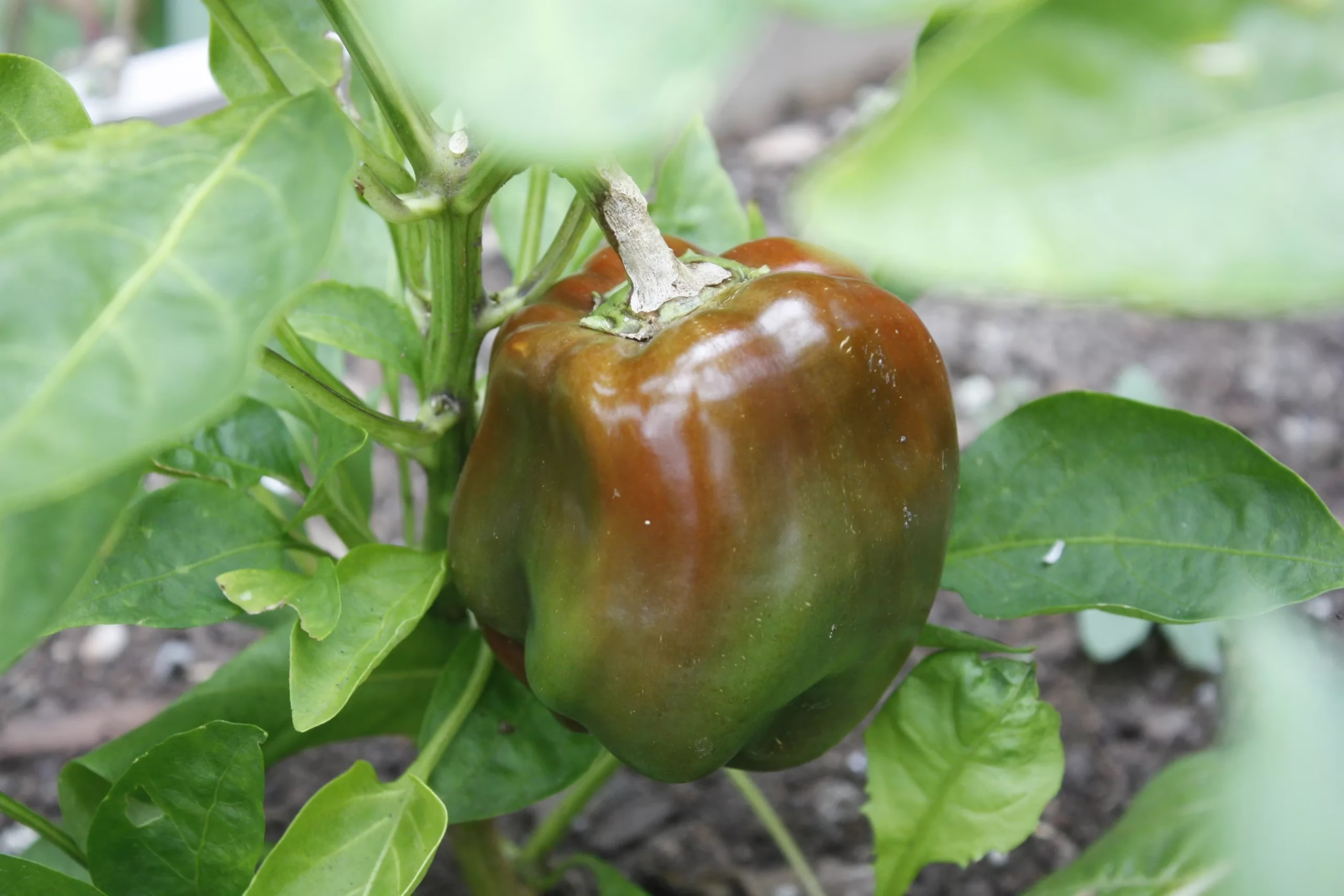
Luckily, a lot of veggies can be harvested at almost any point. This includes peppers, lettuce, spinach, kale, Swiss chard, cucumbers, zucchini, herbs, bush beans, and technically you can pick green tomatoes if you have a recipe that uses them. This takes the guess work out of a lot of plants since they’re perfectly edible at many different stages of their growth.
Of course, there’s no such thing as a hard-and-fast rule so there are a few plants that you should wait to ripen before harvesting. This includes tomatoes, eggplants, melons, winter squash, cabbage, onions and garlic, to name a few.
Luckily though we have articles for many of these plants where you can see the exact timing on when to harvest.
Tip 4: Learn What ‘Too Late’ Looks Like
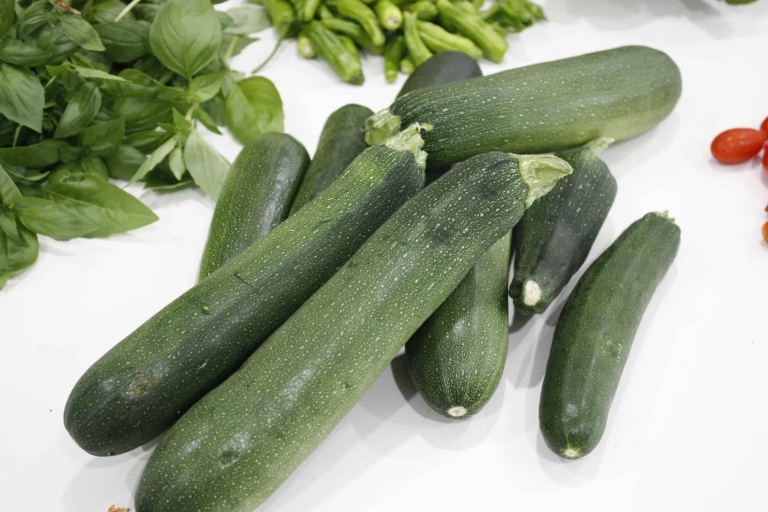
This might sound strange but learning what ‘too late’ looks like with your plants, where they’ve gone to seed, overripened or are no longer at the best time to harvest is a great way to learn the signs on when to pick your vegetables. Once you learn what too late looks like you’ll know to harvest before then. This includes cucumbers that start looking pale or orange, eggplants whose colour dulls, tomatoes that have split open, or zucchinis that can be used as a baseball bat.
Once you’ve gone through a cycle of missing the prime harvest time, it’ll teach you that earlier is better.
Tip 5: Think of The Produce Section
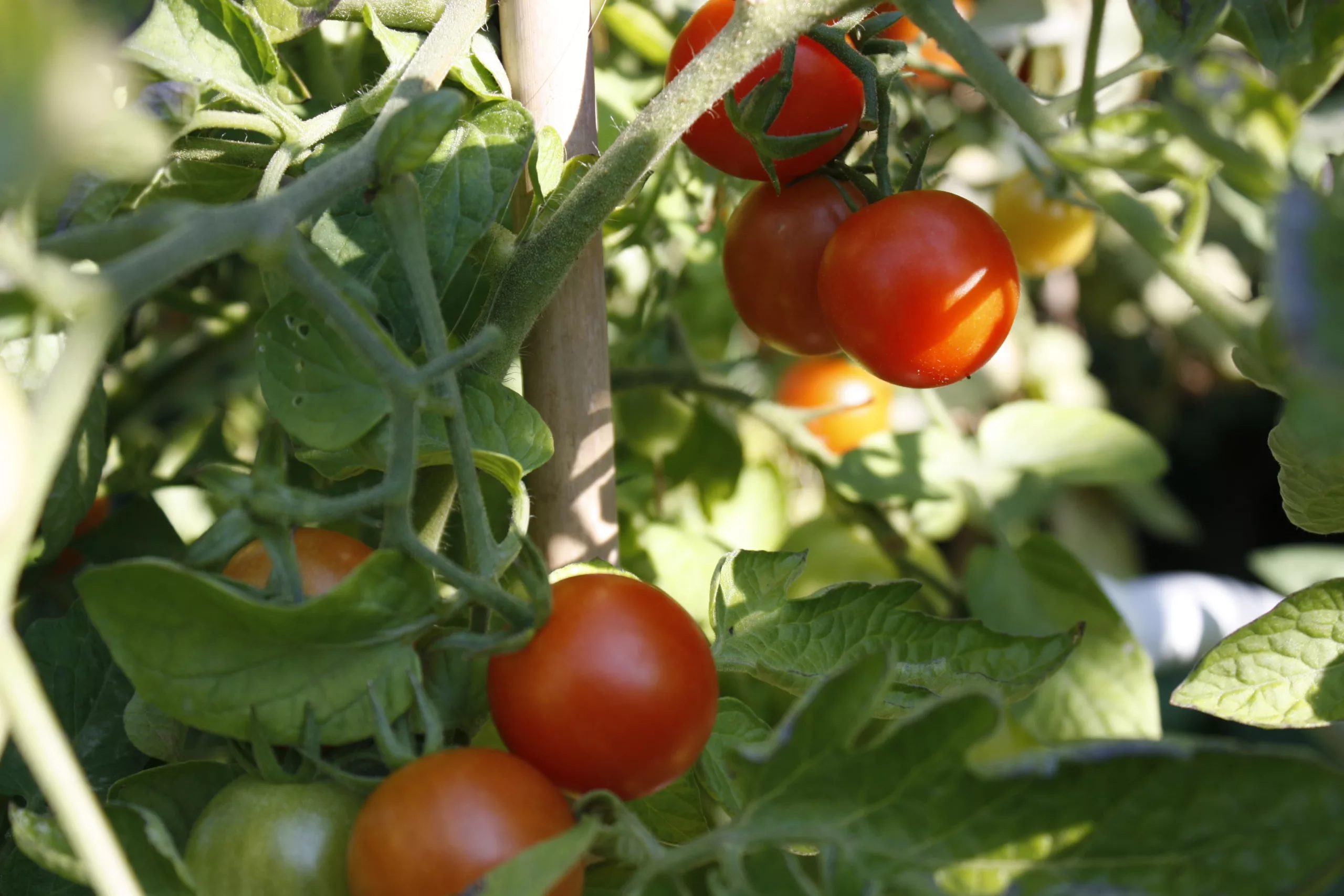
Trust your gut. You know what ripe looks like more than you might realize. You buy groceries every week, and that includes fresh vegetables, so you already know what a good vegetable to buy is. Use that same logic in the garden.
The one caveat though is that grocery stores will ship fruits and veggies before they’re ripe, like hard peaches or green bananas. But even after you’ve bought your fresh produce, you know when to eat them at home. Follow your intuition in your garden and you’ll do great!