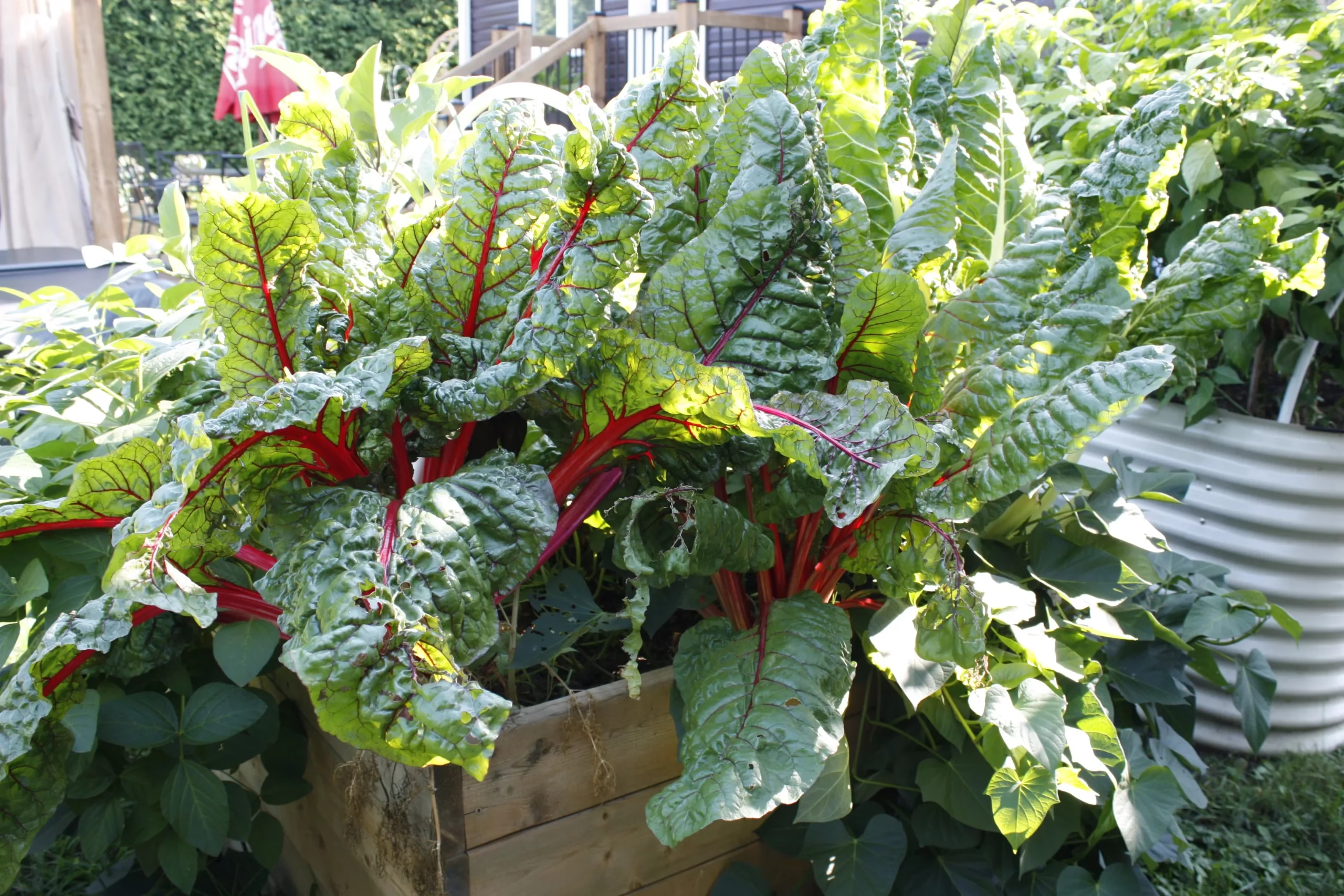
If you’re looking to increase your health this year, want to know which vegetables you should be eating daily, or you just want to fill your garden with the most nutritious vegetables, you’ll get all the information you need here. Although we aren’t a big fan of the marketing of ‘superfoods’, many of the vegetables listed in this article are superfoods to us. Adding these vegetables to your garden and to your diet is going to help you get many of the nutrients you need in a day, and thankfully they aren’t vegetables you’ve never seen or heard of before. They’re ones you likely already eat!
Are certain vegetables healthier than others?
If you’re deciding on which seeds to start, what varieties to buy or how to pack your garden with the most nutrients – you’ll want to add these vegetables to your list. Although all vegetables are good for your health, and the more you consume the better, there are some that rise above the others. And that’s because they include more nutrients per serving, are filled with antioxidants or have other nutritional benefits that have been shown to improve your health.
In this article we’re going to break down the vegetables by the different benefits they provide to your health, from fighting cancer, to anti-aging and even supporting your gut health. At the end of the article we’ll give you a tip to help you choose between varieties. Whether you grow your own vegetables from seed, buy seedlings, or buy from the grocery store – this article is going to help you know which vegetables are the best to add to your plate if you’re just starting to increase the vegetables in your diet.
Vegetables that Fight Cancer
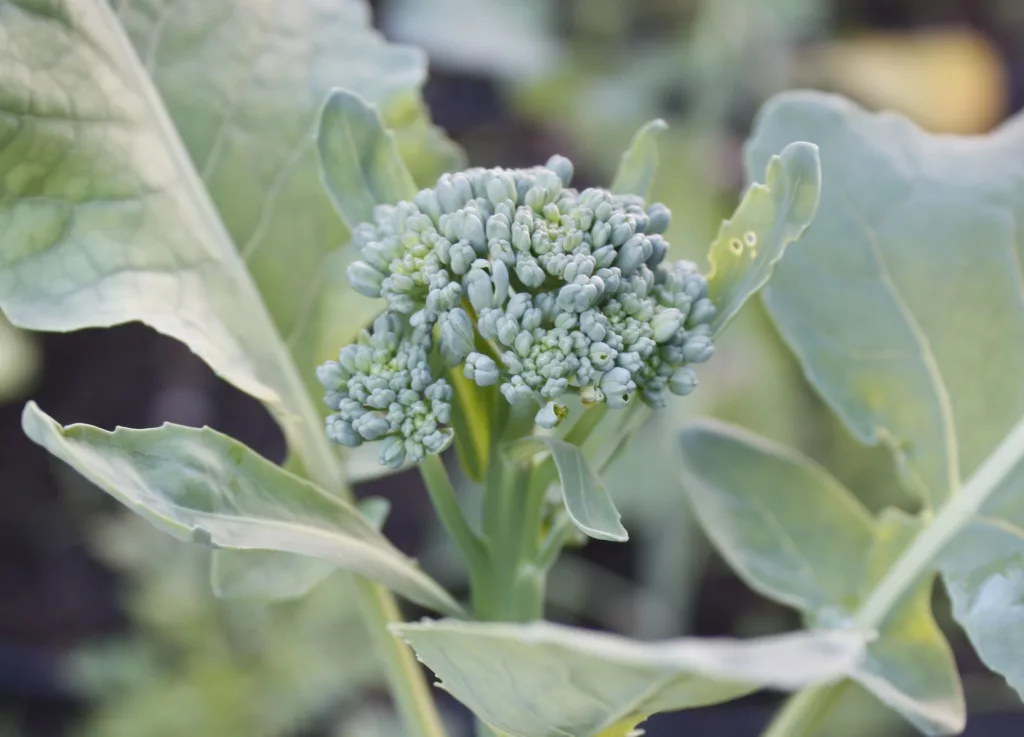
Nobody wants to get cancer. Yet nearly 1 in 2 Canadians will be diagnosed with cancer in their lifetime while 1 in 4 will die from the disease. With statistics that high, it’s important that we incorporate vegetables in our diet that can help us fight back.
Thanks to nutrients like Vitamin C, E and K along with minerals and folate, cruciferous vegetables are our cancer fighting friends. Cruciferous vegetables contain glucosinolates which are natural chemicals that give these vegetables their pungent flavour which are released when we chew on them. They’re part of the plants defense mechanism, meant to help protect them against pests. Of the glucosinolates, one of the chemicals that gets released is called sulforaphane. A clinical study showed that sulforaphane significantly inhibits the growth of cancer cells and can even stimulate cell death in colon cancer cells.
Luckily for us, cruciferous vegetables are easy to grow in our Canadian climates. Some cruciferous vegetables include; broccoli, cauliflower, kale, cabbage, collard greens and bok choy. Adding 3-5 servings per week can help give you the nutrition you need to stay healthy. Choosing plants like kale and collard greens are the gift that keep on giving. Plant them in early spring and they’ll produce for you right until fall – giving you ample opportunity to increase their intake in your weekly meals!
Another vegetable to add to your garden is carrots. Carrots are packed with Vitamin K and A plus have carotene components in them, specifically lycopene and beta-carotene. These carotenoids are the precursor for Vitamin A and are antioxidants which are our bodies defense against free-radicals. These carotenoids are what give carrots their orange or red colour (and also purple!). A study done in 2024 showed that eating raw carrots may reduce the risk of colorectal cancer by as much as 17%! The results indicated that raw carrots might also protect against lung cancer, pancreatic cancer and even leukemia.
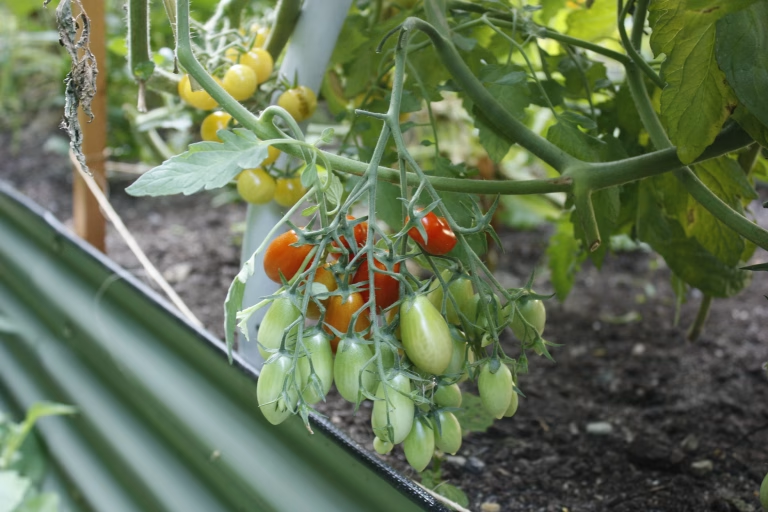
Last, but not least, tomatoes are also a source of lycopene, an antioxidant that is shown to help fight prostate cancer. Our bodies have a preference for lycopene from cooked tomatoes, so every cup of tomato soup or pasta dinner is helping give you those free-radical fighters.

Vegetables for Anti-aging
When we’re talking about anti-aging it isn’t just about getting wrinkles, or slowing down physically but neurodegenerative disease, cardiovascular disease, cancer and even skin related issues.
If you want to reduce your risk of cardiovascular disease, cruciferous vegetables can help with that too! A study done in 2020 found that these veggies can actually slow down the build up of calcium in the abdominal aorta. The more you eat, the less build up your main artery will get.
If you want to keep your skin healthy and vibrant, add in vegetables that are high in antioxidants. These are all the colourful vegetables like carrots, tomatoes, sweet potatoes, and even leafy greens. These antioxidants fight against free radicals and also help with tissue regeneration. Radishes are also a great addition to your garden as they’re high in Vitamin C which helps keep your skin looking healthy.
Vegetables That Fight Dementia

Approximately 7% of Canadians live with dementia, with 2/3 of these cases being women! So, if you’re a woman reading this article – pay close attention because we want you to live a long, healthy life – free of dementia.
Cruciferous vegetables, leafy greens, and vegetables that are red or yellow (like carrots and peppers) have been shown to slow cognitive decline in middle to older age adults. That’s thanks to carotenoids, those free-radical fighting compounds that make our vegetables bright. In fact, people who ate one daily serving of leafy greens were mentally 11 years younger than people who ate leafy greens less frequently.
A study from 2011 was done on twins in Sweden that determined a medium to great portion of vegetables in your diet in comparison to none or a small amount showed a decreased risk of both dementia and Alzheimer’s Disease.
So if you want to slow down the affects of aging, and especially if you’re a woman looking to do this, add in foods that are rich in carotenoids such as; carrots, sweet potatoes, bell peppers, tomatoes, and leafy greens such as spinach, collard greens and kale.
Continue growing your garden knowledge
- I Was Wrong About Crop Rotation – Let Me Explain
- Drowning in Tomatoes? Here are 11 Ways to Use Your Harvest!
- 8 Tips to Build Healthy Soil (When Yours Sucks)
- Drowning in Zucchini? Here are 11 Ways to Use Your Harvest!
- 6 Spring Garden Pests You Should Know
Vegetables for Optimal Gut Health
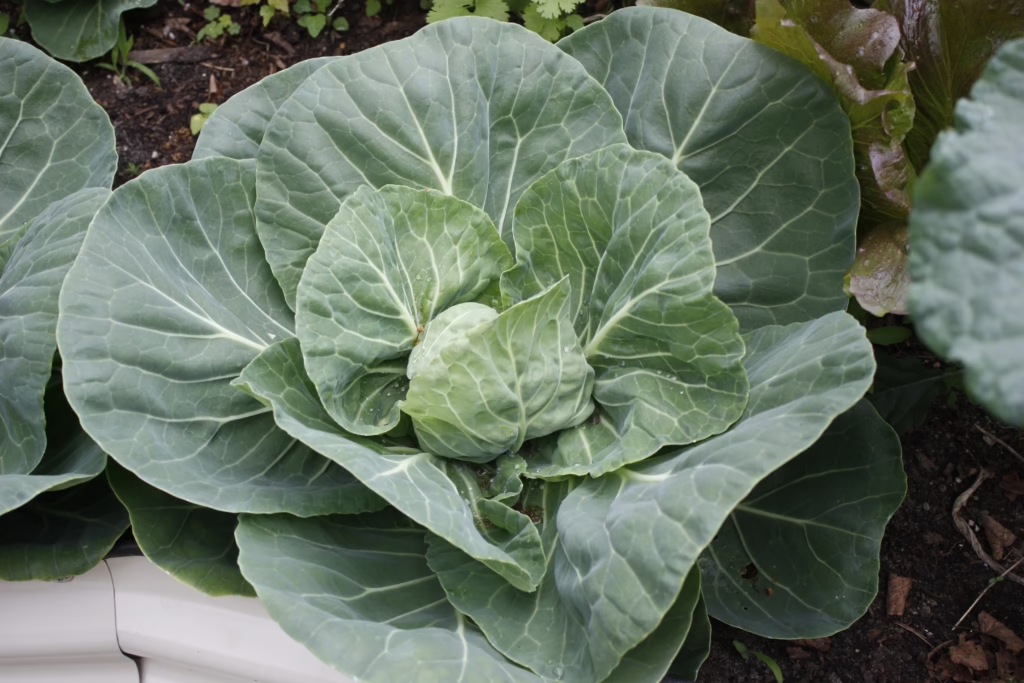
Although you’re likely familiar with probiotics to help heal your gut – you may be less familiar with prebiotics. Prebiotics are fibers found in certain foods that your body can’t digest. Since your stomach isn’t able to digest these fibers, they travel into your intestines and become food for the healthy bacteria in your gut.
Your gut is filled with both good and bad bacteria, along with other organisms like fungi, and even parasites. Our gut does more than digest food and create waste. It actually is where a large portion of our immunity comes from and can even effect our weight.
Having a healthy gut microbiome means that you’re going to have a stronger immune system, it will help your body use the energy from food efficiently, and the gut has even been tied to mental health. So the happier your gut is, the happier you are.
And adding prebiotic foods to your garden, and meals, is actually quite easy! Because the cruciferous vegetables and leafy greens are back again. This is thanks to sulfoquinovose (SQ) which is a type of carbohydrate that’s in leafy greens. And this carb is only digested by the microbes in our intestines. It’s pretty neat. So to increase the SQ in your diet, look to add kale, Swiss chard, spinach, bok choy, and collard greens to your garden. Cabbage, broccoli and cauliflower are also going to give you those healthy prebiotics.
Other vegetables you’ve seen on this list already include root vegetables like carrots, beets and sweet potatoes. And this is because they contain nutrients that support the good bacteria in your gut, more specifically bifidobacterium and lactobacillus bacteria (common bacteria found in commercially sold probiotics).
Finally, some of our favourite prebiotic vegetables are leeks, onions and garlic. What I love about these vegetables is that we can grow them here in Canada BUT if you cook at home, these are building blocks of a good meal so they’re really easy to incorporate into your diet.
Organic vs Conventional Vegetables
Although most home gardeners grow organically, it’s worth mentioning the health risks that come along with pesticide use and consumption. A study published in May 2025 noted that pesticides have been show to affect certain gut bacteria, which alters your overall gut microbiome. Since our gut microbiome is seen as part of our endocrine system, this change in our microbiome can lead to endocrine disruption.
Additionally, a popular research study on the effects of glyphosate was retracted in November of 2025 after it was discovered that Monsanto may have either ghostwritten the paper or paid the researchers to write it. In the study there was research that concluded that glyphosate doesn’t cause cancer, however these results were from unverified studies completed by Monsanto itself.
When it comes to growing your own food in your garden, organic is the best and safest way to grow. However, when it comes to buying and eating vegetables, eating conventional vegetables is better than not eating vegetables at all. If you want to learn how to manage pests without the use of chemicals, you can find a full selection of insect articles on our website.

Why Bright is Best
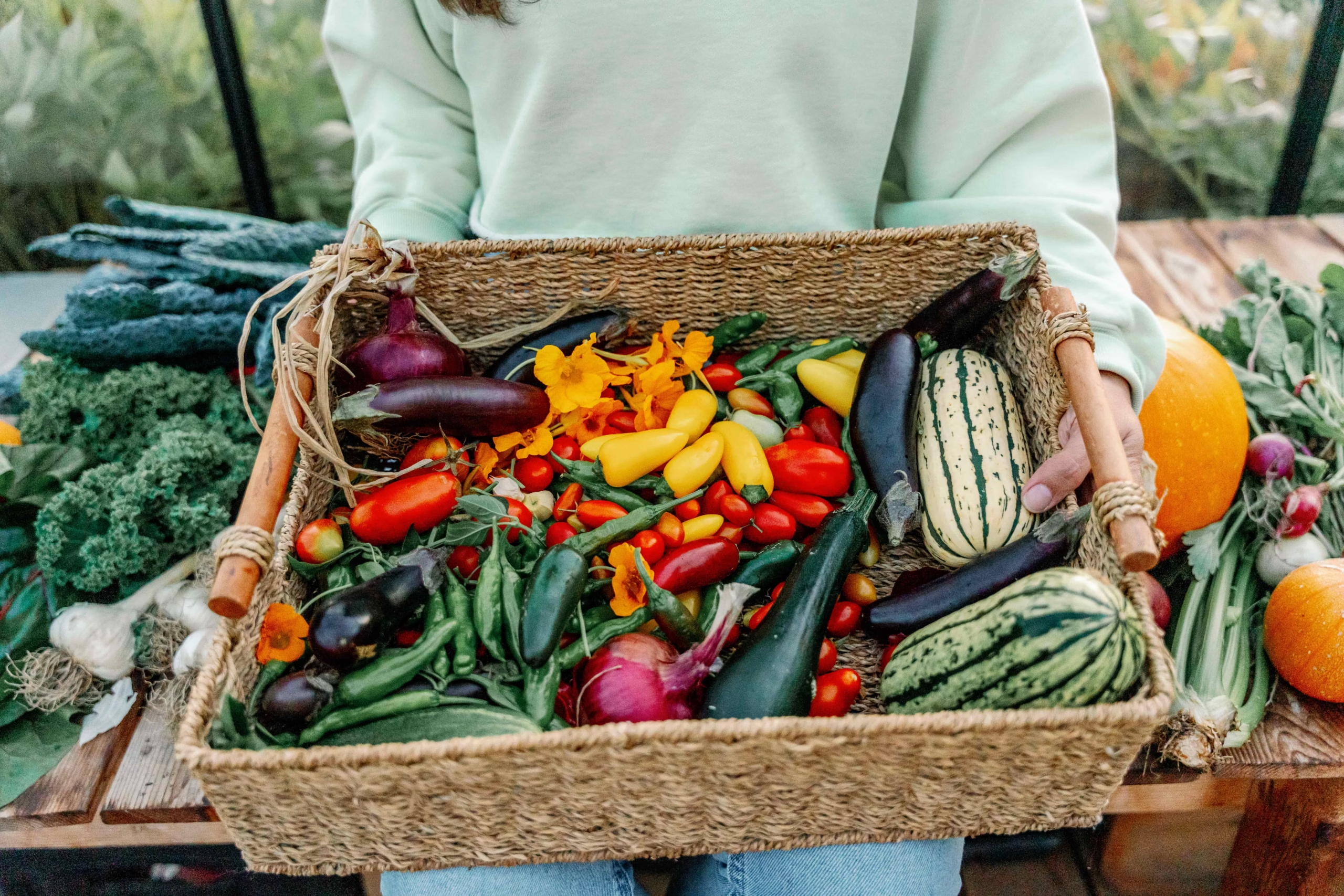
Growing a mix of colours in your garden is not only fun, but it’s actually really good for your health. And that’s because bright coloured vegetables have higher levels of carotenoids in them (the antioxidants we spoke about above) that help fight free radicals in your body.
Knowing that bright colours are filled with healthy nutrients means it’s easier for you to choose seed or plant varieties to add to your garden. Look at choosing red cabbage over green, or rainbow carrots over orange. Or even Rainbow swiss chard holds more antioxidants than white Swiss chard.
Now, don’t get me wrong. I know that green and red cabbage don’t do the same job in the kitchen. And that green cabbage is also good for your health. But this article is about which vegetables are the healthiest to eat! And the bright vegetables like red cabbage, rainbow carrots, purple sweet potatoes, and sweet peppers in red, orange and yellow are high in Vitamin C and antioxidants. This means you’re taking care of your entire health – from your gut, to your skin, to your future self as you age, and that’s pretty amazing.
Summing it all up
Although there’s a lot of information in this article, the vegetables have held consistent throughout, which makes it easier to add these to your garden. You don’t have to worry about planting 100 new varieties, or eating foods you’ve never seen or heard of before – because these veggies have been in our gardens and kitchens for a long time. These vegetables are the ones you want to grow and eat every day. And some of these are easy to grow and incorporate into your meals, like kale. It grows for a long time, it’s versatile because you can eat it raw or cooked and it covers both the cruciferous and the leafy greens!
Let’s sum up the vegetables that were mentioned above, so if you want to add these to your garden plan it’s in a single place for your planning!
When growing a garden for your health you’ll want to add in:
- cruciferous vegetables,
- leafy greens,
- root vegetables,
- onions, garlic
- and anything bright!
And growing just one or two in each category can be enough for you to get the benefits mentioned above. For example, kale plays double duty as both a cruciferous vegetable and a leafy green. Purple bok choy is a cruciferous, bright, leafy green. If your space is limited, you can still add these incredible foods to your garden.
Here’s a more detailed list of vegetables for you to use to help plant your garden in order to get optimal health this year, noting that there’s nearly 40 plants in the cruciferous family alone:
- Broccoli (there’s even purple varieties)
- Cauliflower (purple and orange cauliflower also exist)
- Kale
- Bok choy (look for purple varieties)
- Brussels sprouts
- Cabbage
- Arugula
- Radish
- Collard Greens
- Spinach
- Lettuce
- Swiss chard
- Onion
- Garlic
- Leeks
- Carrots
- Beets
- Colourful sweet peppers
- Tomatoes
- Sweet potatoes